Are Laundry Strips Worth It? Here’s What You Should Know Before Switching
If you’ve ever stared at your overflowing laundry basket while juggling a massive bottle of liquid detergent and wondered if there’s a simpler way to get your clothes clean, you’re not alone. Laundry strips have been popping up everywhere as the latest solution for busy households looking to streamline their washing routine.
The short answer? Yes, laundry strips are absolutely worth it for many households. These lightweight, eco friendly sheets deliver the same cleaning power as traditional detergents while eliminating the mess, bulk, and plastic waste that comes with conventional options. They’re particularly brilliant for anyone wanting a zero waste lifestyle, dealing with limited storage space, or simply craving a more straightforward laundry routine.
But before you bin your current detergent and make the switch, there’s quite a bit more you should know about these clever little sheets. From how they actually work to whether they’ll tackle your toughest stains, here’s everything you need to make an informed decision.
What Are Laundry Strips And How Do They Work?
Laundry strips are essentially concentrated detergent that’s been transformed into thin, biodegradable sheets. Think of them as the dryer sheet’s more useful cousin! These rectangular strips dissolve completely in water, releasing powerful cleaning agents that lift stains and eliminate odours just like your regular detergent.
The magic happens through concentrated surfactants and enzymes that are compressed into a lightweight format. When water hits the strip, it releases these cleaning compounds throughout your wash load. No measuring, no spilling, no fuss.
The Science Behind The Strips
Unlike traditional liquid or powder detergents that rely on fillers and bulking agents, laundry strips contain only the essential cleaning ingredients. This means you’re getting more cleaning power per gram, which is why such a small sheet can clean an entire load of washing.
The strips are typically made from plant derived ingredients and dissolve completely without leaving any residue on your clothes or in your washing machine. This makes them particularly appealing for households with sensitive skin or those trying to reduce their chemical exposure.
The Real Benefits Of Making The Switch
Now that you understand what laundry strips are, let’s explore the practical benefits that make them so appealing to households looking for a better way to handle their washing routine.
Space Saving Storage Solutions
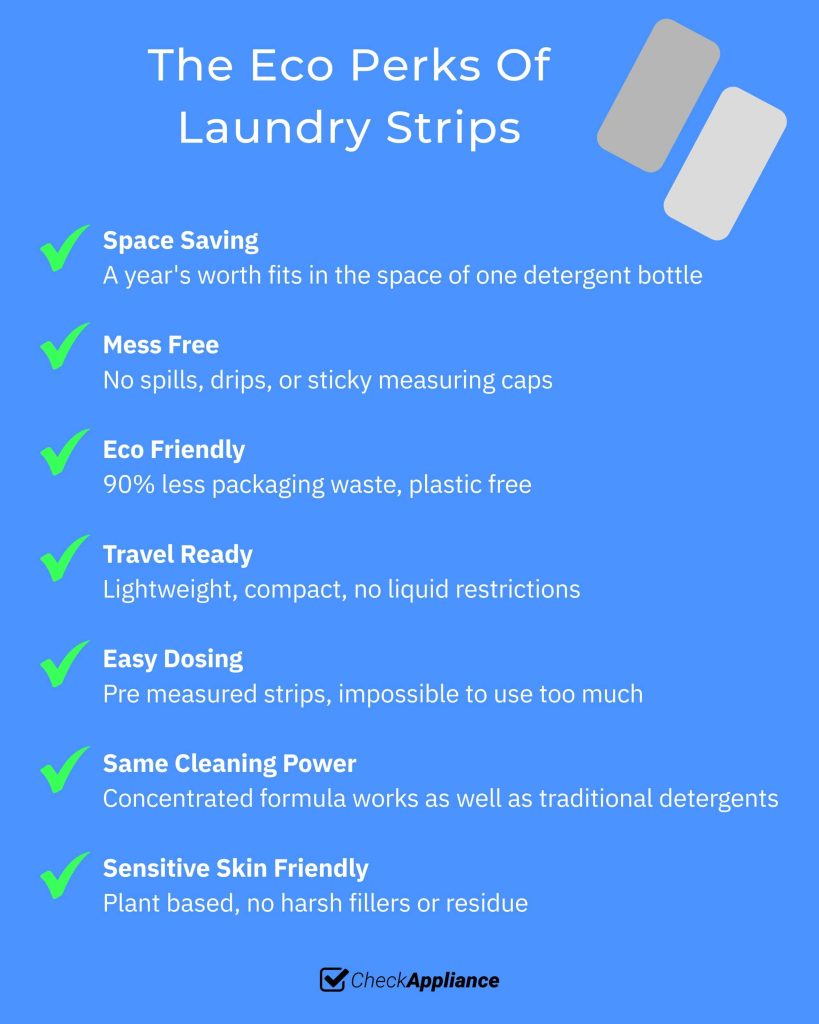
Traditional laundry detergent takes up serious real estate in your utility room. A typical liquid detergent bottle measures around 25cm tall and 15cm wide, while a box of laundry strips is about the size of a paperback book. For anyone living in a flat or dealing with limited storage, this difference is genuinely life changing.
You can easily store a year’s worth of laundry strips in the space that one large detergent bottle would occupy. This makes them particularly brilliant for student accommodation, small homes, or anyone who simply wants to reclaim their storage space for more important things.
Zero Waste And Plastic Free Living
The environmental benefits are where laundry strips really shine. Traditional detergent bottles contribute millions of plastic containers to landfills each year. Even when recycled, the process isn’t perfect, and many bottles still end up as waste.
Laundry strips typically come in cardboard packaging that’s completely recyclable or compostable. Some brands even offer refill services where they’ll send you new strips in minimal packaging. For anyone committed to reducing their household’s plastic footprint, this is a massive win.
Mess Free Convenience
Anyone who’s ever spilled liquid detergent on their utility room floor knows the frustration of sticky, slippery messes that seem to spread everywhere. Laundry strips eliminate this problem entirely. No more measuring caps, no more drips down the side of bottles, no more sticky residue on your hands.
This simplicity is particularly appealing for busy parents who are trying to get washing done while managing children, or for anyone who wants to streamline their household routines.
How To Use Laundry Strips Properly
Getting the best results from laundry strips is straightforward, but a few simple tips will help you maximise their cleaning power and ensure your clothes come out looking their best every time.
Getting The Dosage Right
Most brands suggest using half a strip for small or lightly soiled loads, one full strip for regular loads, and two strips for heavily soiled or extra large loads. The beauty is that you can’t really go wrong. Unlike liquid detergent where too much creates excessive suds and too little leaves clothes dingy, strips are much more forgiving.
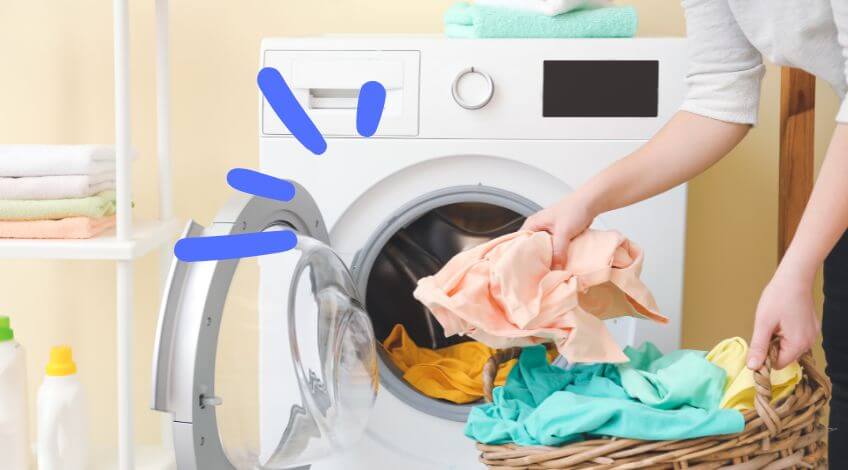
For front loading machines, simply toss the strip on top of your clothes before starting the cycle. For top loaders, you can either put it in with the clothes or drop it into the water as the machine fills.
Temperature And Fabric Considerations
Laundry strips work brilliantly in both hot and cold water, though they dissolve slightly faster in warmer temperatures. This makes them perfect for energy conscious households who prefer washing in cold water to save on electricity bills.
They’re safe for all fabric types, including delicates, and won’t cause the colour bleeding issues that can sometimes occur with harsh liquid detergents. Many users report that their clothes actually maintain their colours better with strips.
Special Washing Situations
For hand washing, simply dissolve the strip in water before adding your clothes. The strip will break down within minutes, creating a gentle cleaning solution that’s perfect for delicate items or when you’re travelling.
If you’re dealing with particularly stubborn stains, you can create a paste by dampening a small piece of strip and rubbing it directly onto the stain before washing. This gives you extra cleaning power exactly where you need it.
The Cost Factor: Are They Worth The Investment?
Money matters when you’re making household decisions, so let’s break down the real costs of laundry strips compared to traditional detergents and explore whether the benefits justify any price difference.
Price Per Load Comparison
Premium laundry strips typically cost between 15p to 25p per load, while traditional liquid detergent ranges from 8p to 20p per load depending on the brand and where you shop. At first glance, strips might seem more expensive, but there are several factors that can actually make them more economical.
First, you’re less likely to use too much product. With liquid detergent, many people pour more than the recommended amount, thinking it’ll get clothes cleaner. Strips eliminate this waste entirely. Second, the concentrated formula means you’re paying for active cleaning ingredients rather than water and fillers.
Hidden Savings
The space saving aspect can lead to genuine savings for people in small homes where storage space comes at a premium. Additionally, the lightweight nature of strips makes them brilliant for people who rely on online grocery delivery, as they don’t add much weight to your order.
For frequent travellers, the convenience factor alone can justify the cost. No more buying small bottles of detergent while away, no more worrying about liquid restrictions on flights.
Environmental Impact: The Green Credentials
For environmentally conscious households, the ecological benefits of laundry strips extend far beyond just reducing plastic waste. Here’s how they stack up against traditional detergents across various environmental factors.
Packaging And Transport
Traditional detergent bottles are heavy and bulky, which means transporting them requires more fuel and generates more carbon emissions. Laundry strips are incredibly lightweight and compact, dramatically reducing their transport footprint.
The packaging is typically minimal and made from recyclable or biodegradable materials. Some brands have calculated that their packaging generates 90% less waste than equivalent liquid detergent bottles.
Water Usage And Pollution
Because strips contain no fillers or unnecessary ingredients, they put fewer chemicals into wastewater systems. The plant based formulas are generally more biodegradable than synthetic detergents, which means less environmental impact when the wash water leaves your home.
Many strips are also greywater safe, meaning if you’re using greywater systems for garden irrigation, you don’t need to worry about harming your plants.
Potential Drawbacks To Consider
While laundry strips offer many advantages, it’s important to understand the potential limitations so you can make an informed decision about whether they’re right for your specific household needs.
Limited Availability
While laundry strips are becoming more common, they’re still not available in every shop. This means you might need to plan ahead and order online, or seek out specific retailers. For households that prefer to grab detergent during their weekly shop, this could be inconvenient.
Fabric Softener Needs
Most laundry strips don’t contain fabric softening agents, so if you’re used to that soft, fluffy feel from traditional detergents, you might need to add a separate fabric softener or switch to wool dryer balls. This could offset some of the convenience benefits for certain households.
Storage Considerations
While strips take up less space, they need to be kept completely dry. Unlike liquid detergent bottles that can handle a bit of moisture, strips will dissolve if they get damp. This means you need proper storage in a dry location, which might be challenging in some utility rooms.
Who Should Make The Switch To Laundry Strips?
Not every household will benefit equally from switching to laundry strips. Understanding whether they align with your specific circumstances and priorities will help you make the right choice for your family.
Perfect Candidates
Laundry strips are absolutely brilliant for small households, people living in flats or student accommodation, frequent travellers, and anyone committed to reducing plastic waste. They’re also fantastic for busy parents who want to simplify their routines, or elderly people who struggle with heavy detergent bottles.
If you’re someone who often forgets to buy detergent until you’re down to the last drop, strips are perfect because they’re so easy to store extras without taking up space.
When To Stick With Traditional Options
If you regularly deal with extremely heavily soiled items like farm work clothes or mechanic overalls, you might find traditional detergents more effective. Similarly, if you have very specific fabric care needs or allergies that require particular formulations, your current detergent might remain the better choice.
Households that go through enormous amounts of washing might find the cost per load adds up, making bulk liquid detergent more economical.
Making Laundry Strips Work For Your Family
The key to success with laundry strips is understanding that they’re designed to simplify your life while delivering excellent cleaning results. Start with a small pack to test them with your typical washing loads, and don’t be afraid to adjust the number of strips based on your specific needs.
Remember that the goal isn’t just cleaner clothes; it’s a more streamlined, environmentally conscious approach to household management that saves you time, space, and reduces waste.
Hit that share button on Facebook, X, or Pinterest, or simply send this article to your group chat. Because sharing is caring, and we could all use a little help making our laundry routines more efficient!
SEE ALSO: Clean Your Fruit & Veg the Right Way With This Easy DIY Wash
Also, follow us on Pinterest ...