
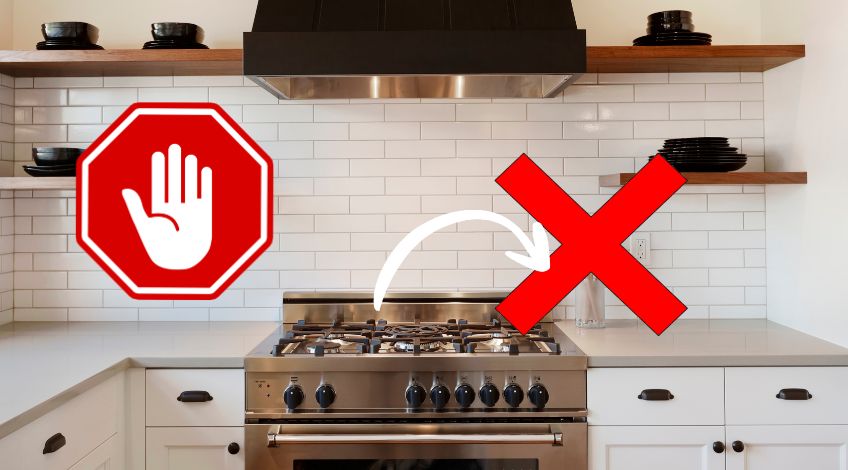
If You’re Keeping This Near The Stove, You Might Regret It Later
Most of us try to keep our kitchen counters tidy and practical. We place items where they’re easy to reach, especially when cooking.
But convenience can sometimes come at a cost. You might not realise that storing certain things too close to your hob or oven can actually ruin them or worse, pose a risk to your health.
Before you leave that bottle of oil, spice jar or wooden spoon next to the cooker, here’s what you should know.
Why You Shouldn’t Store Certain Items Near The Hob
Your hob and oven give off more heat than you might think, even when you’re not actively using them.
This surrounding warmth can slowly affect anything stored nearby. Constant exposure to heat speeds up the breakdown of ingredients, weakens packaging and can even cause fires in extreme cases.
Many items that sit near the stove are there out of habit. But if they’re not heat resistant or sealed properly, they can spoil quickly or become a safety hazard.
Oils, in particular, are very sensitive. If you’ve ever wondered why something smells odd or doesn’t taste quite right, heat exposure could be to blame.
Where Should You Keep Olive Oil In Your Kitchen?
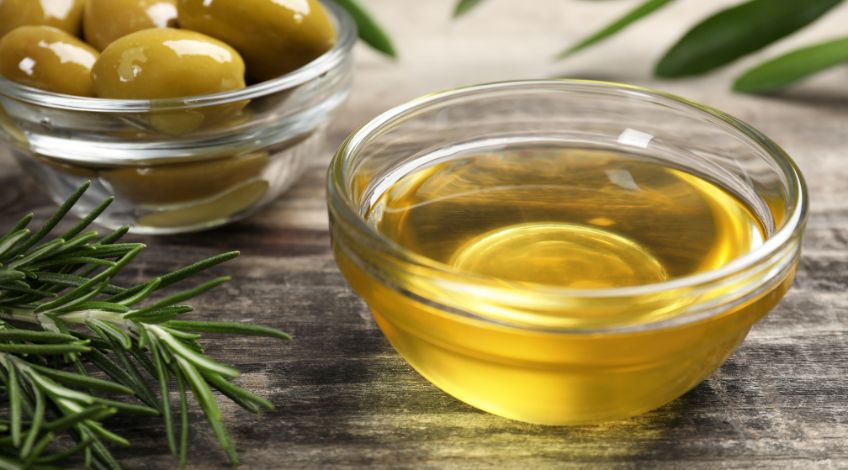
It’s common in many UK households to leave olive oil close to the cooker. It makes cooking easier when it’s within arm’s reach.
According to UK nutritionists and international experts, olive oil breaks down when exposed to four main factors: heat, oxygen, light and age. While dark bottles and airtight lids protect against light and air, they do very little against constant warmth.
When olive oil goes bad, it doesn’t always look different. Sometimes it just smells off, with a greasy or musty scent.
Rancid oil can also taste unpleasant and make your food taste odd. Though eating rancid oil is not usually dangerous in small amounts, it’s definitely not ideal.
It loses its nutritional value and can affect digestion.
Why Heat Damages All Types Of Cooking Oil
It’s not just olive oil that’s affected. Vegetable oil, sunflower oil, sesame oil and other popular cooking oils also suffer when stored in warm places.
Even though some of these oils come in plastic bottles or tins, the heat still gets through. Over time, the fats in these oils oxidise and turn rancid, leading to waste and poor tasting food.
If you buy oils in bulk or like to decant them into decorative dispensers, it’s even more important to keep them away from the heat.
Clear glass bottles without any protective tint are especially vulnerable, as they let in both heat and light.
How Heat And Humidity Destroy The Flavour Of Your Spices
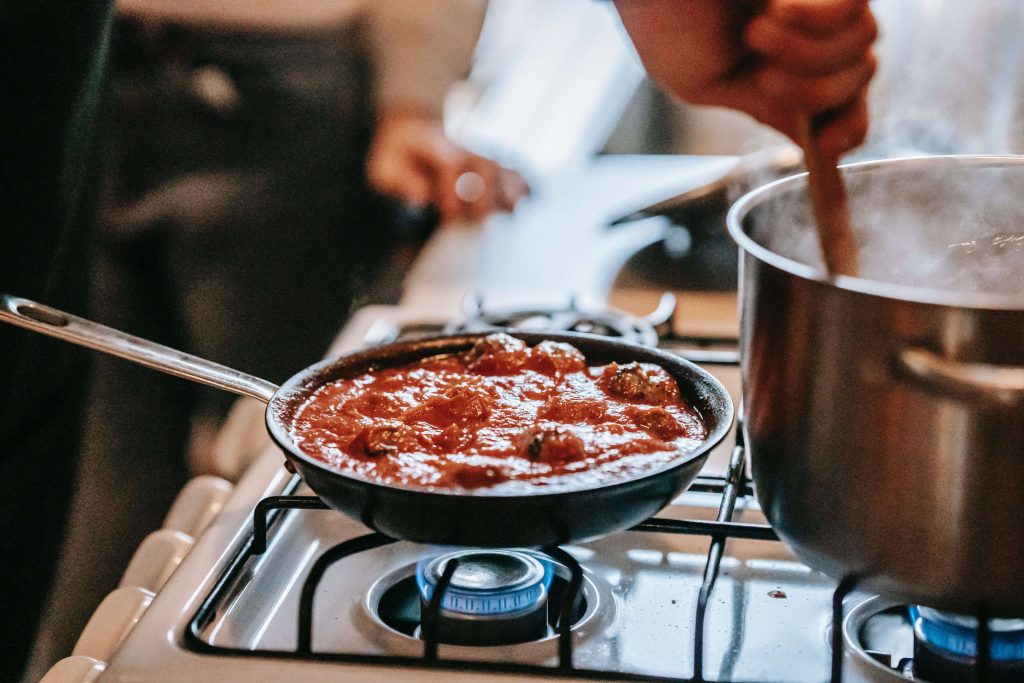
It’s easy to set up a spice rack next to the cooker, but those dried herbs and spices don’t do well in high temperatures either.
Heat can make spices lose their strength and flavour much faster than usual. In some cases, they may even clump together due to moisture in the air.
Coriander, chilli flakes, paprika and other spices with natural oils are particularly affected. You might find yourself using more and more just to get the same flavour, without realising they’ve lost their punch because of poor storage.
A cool cupboard or pantry shelf is a far better choice.
Heat Can Dry Out Wooden Utensils And Chopping Boards
Wooden spoons, spatulas and boards are another group of kitchen tools often left resting near the hob. While this might seem harmless, constant heat can dry out the wood and cause cracking or warping.
Worse still, dried wood is more flammable, especially if it’s already soaked in oils or food residue.
If you keep these items in a container right next to the cooker, it’s worth moving them to a drawer or a pot further away.
Not only will they last longer, but you’ll also reduce the risk of them catching fire if accidentally left too close to an open flame.
Safe Places To Store Oils And Spices In Your Kitchen
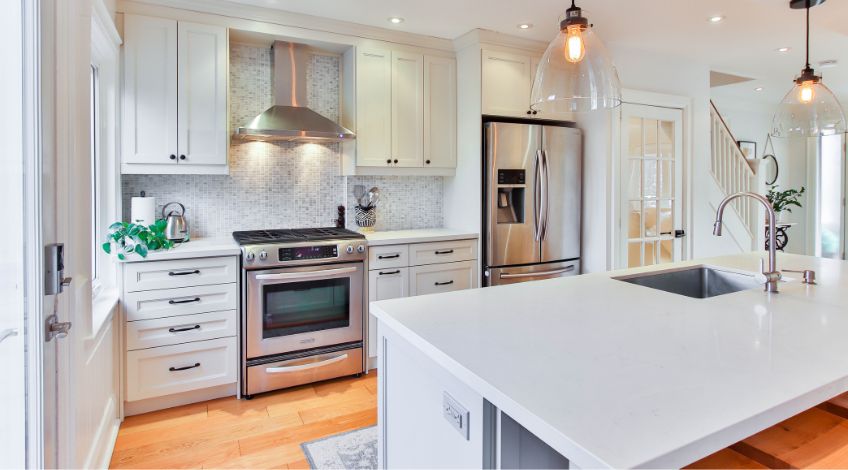
Instead of placing things near the cooker, aim for a cool, dark and dry space.
A cupboard away from the oven, a shaded pantry corner or even a drawer works well for oils and spices. Try to rotate your ingredients too, using older ones first and checking expiry dates regularly.
If you like having oils within reach, consider buying a small refillable bottle and only bringing it out during cooking. Keep the rest stored properly to maintain its shelf life and flavour.
For utensils, use a container on the other side of the kitchen or in a separate drawer near your food prep area.
It might seem like a minor choice, but storing items too close to your cooker can lead to waste, safety issues, or poor tasting meals.
A little reorganisation in your kitchen can protect your ingredients, extend the life of your tools and help you avoid unnecessary problems down the line.
Warn Your Friends About This Easy To Make Kitchen Error!
This everyday habit could be doing more harm than you realise. Spread the word on social media so others can keep their kitchen safe and stress free too.
SEE ALSO: Can You Put Oil In An Air Fryer? (best & worst types)
Also, follow us on Pinterest ...