The Problem With Nuts & Seeds On A Keto Diet
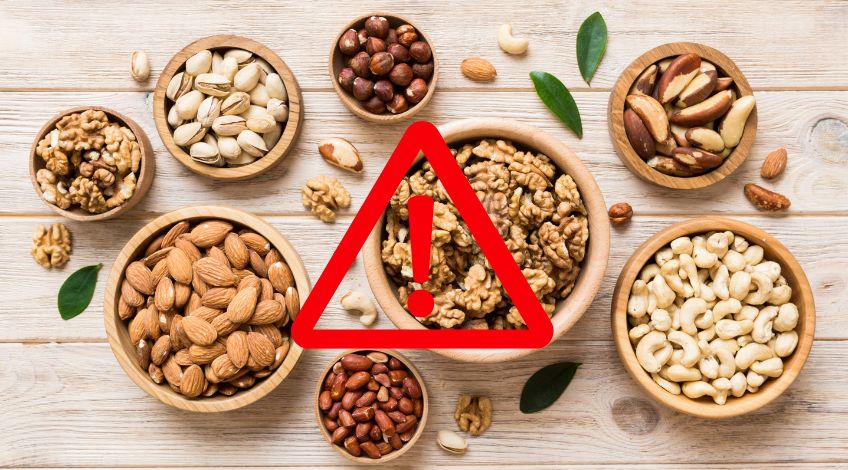
Nuts and seeds are often considered keto friendly due to their high fat, moderate protein, and low carb content. However, they come with several potential issues that can impact your keto journey. From hidden carbs to chemical toxins, it’s essential to navigate these so-called superfoods wisely.
While they can be an excellent source of essential nutrients like healthy fats, fibre, and minerals, they can also pose risks if not eaten with care. Understanding the challenges associated with nuts and seeds on a ketogenic diet can help you make informed choices and optimise your health.
What Are Nuts & Seeds?
Just to be 100% clear about exactly what we’re talking about let’s look at what nuts and seeds actually are. Nuts, while technically classified as fruits, have a hard outer shell that protects the edible seed inside.
Seeds on the other hand are actually embryonic plants and although some need to be removed from their protective outer shells, some can be eaten straight from the plant.
Nuts and seeds have a lower carb content than many fruits, grains and some vegetables. They are a great source of fibre and many vitamins and minerals including some B vitamins, vitamin E, as well as selenium, magnesium and potassium.
What Effect Do Nuts & Seeds Have On Ketosis?
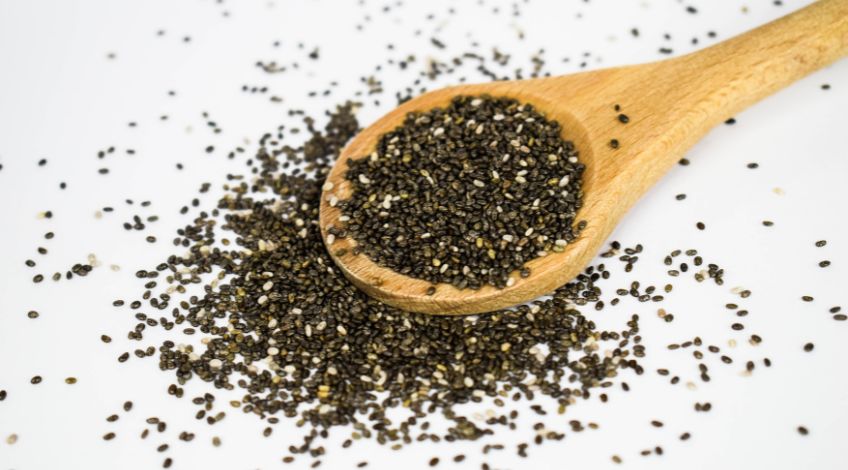
Nuts and seeds are low in carbohydrates ranging from 3.5 grams per 28 grams (Brazil nuts) to 12.5 grams per 28 grams (Chia seeds). But in most cases, the percentage of fibre accounts for around 50 to 60% of those carbs which doesn’t raise blood sugar or affect ketosis.
Fibre cannot be absorbed by the body because we don’t have the right enzymes to break it down. This means that fibre passes right through our bodies.
Soluble & Insoluble Fibre
Fibre is made up of two parts, soluble and insoluble. The insoluble fibre passes straight through the body and provides absolutely no calories. Around 70 to 75% of the fibre found in nuts and seeds is insoluble.
The other 25 to 30% is soluble and dissolves in water to form a gel that slows down food moving through your digestive system which helps you to feel fuller for longer. Once soluble fibre reaches the colon, it is used as a source of food.
The gut bacteria breaks down this fibre and turns it into short chain fatty acids which provide around 1 to 2 calories per gram. The fermentation process and subsequent uptake of calories doesn’t increase blood glucose levels. There has even been some research that shows that it actually improves blood sugar regulation!
From this we can ascertain that eating moderate amounts of fibre rich nuts and seeds can help to control blood sugar, reduce metabolic risk factors and increase insulin sensitivity.
Overconsumption & Hidden Carbs
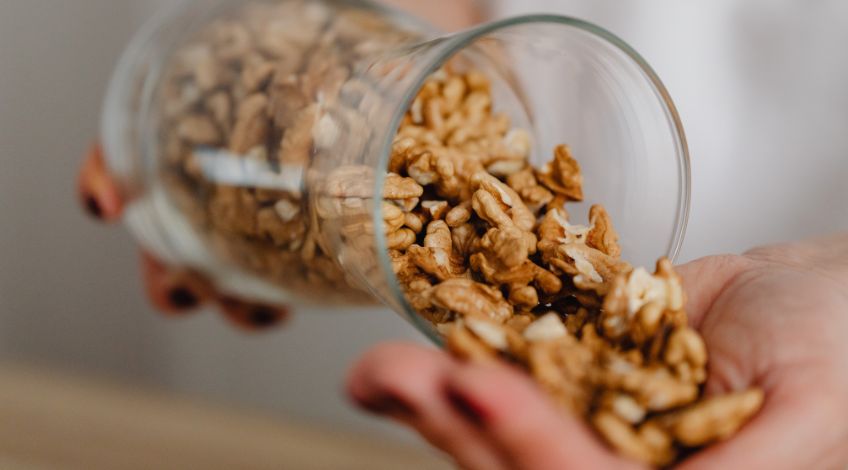
One of the biggest issues with nuts and seeds on a keto diet is their easy overconsumption. While they are high in healthy fats, some varieties contain more carbohydrates than you might expect.
Overindulging can push you over your daily carb limit, kicking you out of ketosis. If weight loss is the reason for you sticking to a keto diet plan, eating too many nuts can be preventative.
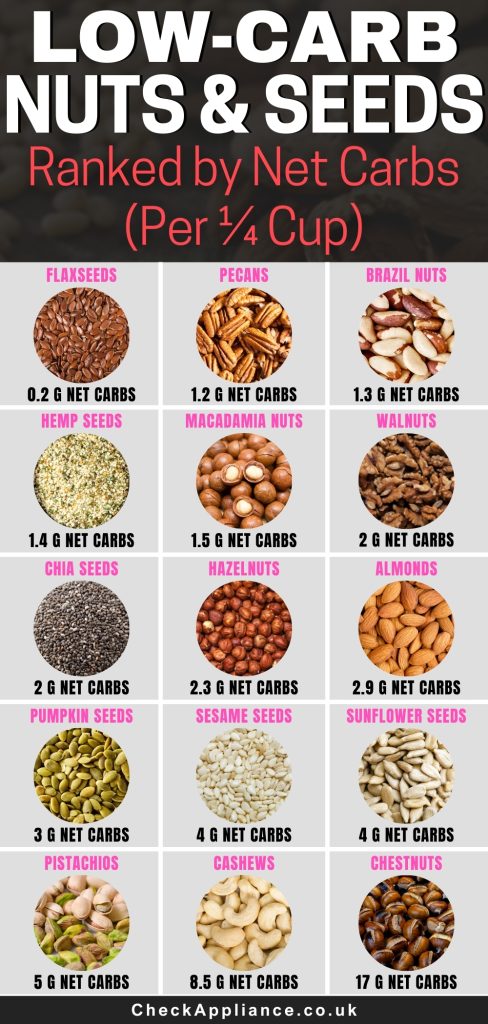
| Nuts & Seeds | Net Carbs Per ¼ Cup In Grams (g) |
|---|---|
| Flaxseeds | 0.2 g |
| Pecans | 1.2 g |
| Brazil Nuts | 1.3 g |
| Hemp Seeds | 1.4 g |
| Macadamia Nuts | 1.5 g |
| Walnuts | 2 g |
| Chia Seeds | 2 g |
| Hazelnuts | 2.3 g |
| Almonds | 2.9 g |
| Pumpkin Seeds | 3 g |
| Sesame Seeds | 4 g |
| Sunflower Seeds | 4 g |
| Pistachios | 5 g |
| Cashews | 8.5 g |
| Chestnuts | 17 g |
Strategies For Staying In Ketosis While Eating Nuts
There are a few important steps you can take to prevent you from eating too many nuts at any given time. These include;
- Sticking to low carb options like pecans, macadamia nuts, and walnuts.
- Measuring portion sizes instead of eating straight from the bag.
- Opting for raw, unsalted nuts to prevent overindulgence.
Chemical Toxins In Nuts And Their Risks
While nuts are packed with nutrients, some also contain naturally occurring compounds that can be harmful in large amounts. Understanding these risks can help you consume nuts safely.
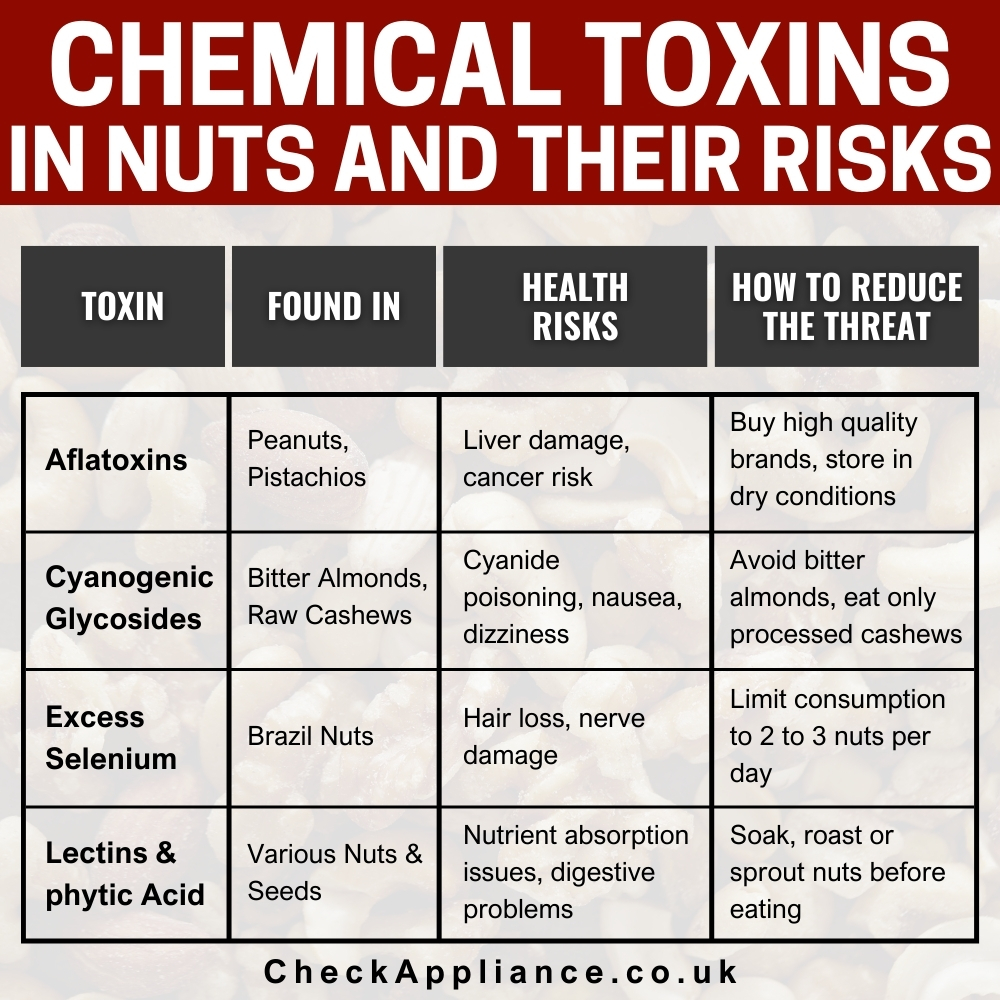
| Toxin | Found In | Health Risks | How To Reduce The Threat |
|---|---|---|---|
| Aflatoxins | Peanuts, Pistachios | Liver damage, cancer risk | Buy high quality brands, store in dry conditions |
| Cyanogenic Glycosides | Bitter Almonds, Raw Cashews | Cyanide poisoning, nausea, dizziness | Avoid bitter almonds, eat only processed cashews |
| Excess Selenium | Brazil Nuts | Hair loss, nerve damage | Limit consumption to 2 to 3 nuts per day |
| Lectins & phytic Acid | Various Nuts & Seeds | Nutrient absorption issues, digestive problems | Soak, roast or sprout nuts before eating |
Ways To Mitigate Any Potential Problems With Nuts
If you’re concerned about potential toxins in nuts, there are a few things you can do to help alleviate the problem. These include;
- Buying From Reputable Brands
High quality nuts are less likely to contain mould toxins like aflatoxins. - Proper Storage
Store nuts in airtight containers in a cool, dry place to prevent mould growth. - Limit High Risk Nuts
Be mindful of Brazil nuts for selenium content and avoid raw cashews and bitter almonds. - Soak And Roast
Soaking and roasting can reduce lectin and phytic acid content, improving digestibility.
Nutrition Profiles And Benefits Of Nuts And Seeds
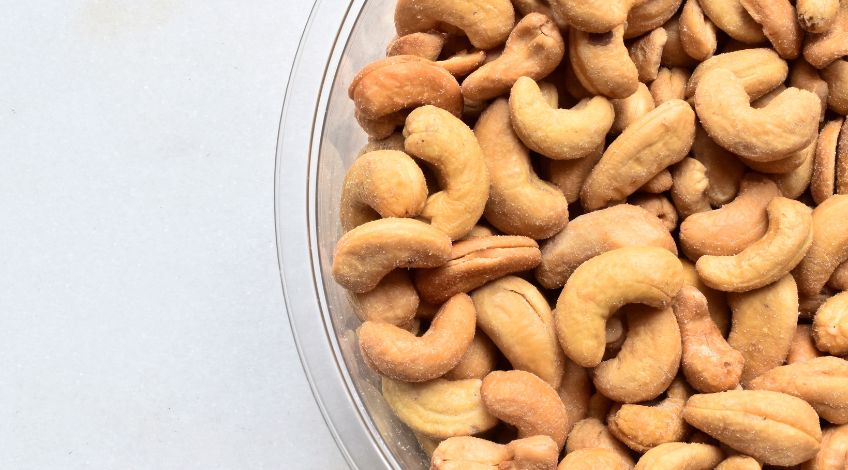
Let’s look closely at the nutritional values and benefits of nuts and seeds per 28 gram (1 ounce) serving…
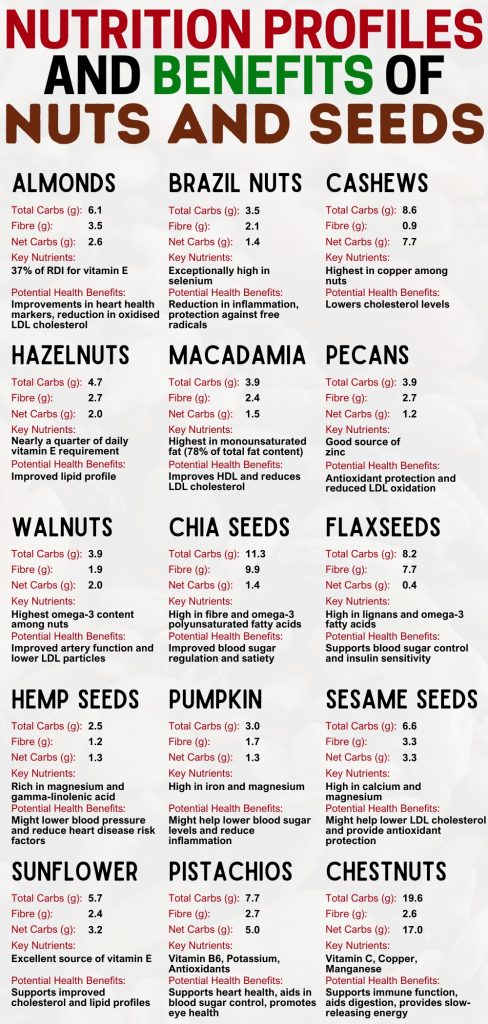
| Nuts & Seeds | Total Carbs (g) | Fibre (g) | Net Carbs (g) | Key Nutrients | Potential Health Benefits |
|---|---|---|---|---|---|
| Almonds | 6.1 | 3.5 | 2.6 | 37% of RDI for vitamin E | Improvements in heart health markers, reduction in oxidised LDL cholesterol |
| Brazil Nuts | 3.5 | 2.1 | 1.4 | Exceptionally high in selenium | Reduction in inflammation, protection against free radicals |
| Cashews | 8.6 | 0.9 | 7.7 | Highest in copper among nuts | Lowers cholesterol levels |
| Hazelnuts | 4.7 | 2.7 | 2.0 | Nearly a quarter of daily vitamin E requirement | Improved lipid profile |
| Macadamia Nuts | 3.9 | 2.4 | 1.5 | Highest in monounsaturated fat (78% of total fat content) | Improves HDL and reduces LDL cholesterol |
| Pecans | 3.9 | 2.7 | 1.2 | Good source of zinc | Antioxidant protection and reduced LDL oxidation |
| Walnuts | 3.9 | 1.9 | 2.0 | Highest omega-3 content among nuts | Improved artery function and lower LDL particles |
| Chia Seeds | 11.3 | 9.9 | 1.4 | High in fibre and omega-3 polyunsaturated fatty acids | Improved blood sugar regulation and satiety |
| Flaxseeds | 8.2 | 7.7 | 0.4 | High in lignans and omega-3 fatty acids | Supports blood sugar control and insulin sensitivity |
| Hemp Seeds | 2.5 | 1.2 | 1.3 | Rich in magnesium and gamma-linolenic acid | Might lower blood pressure and reduce heart disease risk factors |
| Pumpkin Seeds | 3.0 | 1.7 | 1.3 | High in iron and magnesium | Might help lower blood sugar levels and reduce inflammation |
| Sesame Seeds | 6.6 | 3.3 | 3.3 | High in calcium and magnesium | Might help lower LDL cholesterol and provide antioxidant protection |
| Sunflower Seeds | 5.7 | 2.4 | 3.2 | Excellent source of vitamin E | Supports improved cholesterol and lipid profiles |
Glycaemic Index Of Nuts & Seeds
If you’re following a keto diet or have diabetes, the glycaemic values of nuts and seeds is vital. However, as long as they are consumed in limited quantities, all of the nuts and seeds mentioned in the above list have low Glycaemic Index and Glycaemic Load numbers.
This makes them an ideal food for blood sugar control. Chia seeds and flaxseeds have the lowest impact, making them ideal for diabetics and ketogenic diets.
Cashews, Sesame, and Sunflower Seeds have the highest GI but still remain in the low range. Which means they can still be consumed in moderation without disrupting ketosis.
Oxidised Fats & Rancidity
Nuts are high in polyunsaturated fats, which can easily oxidise when exposed to heat, light, or air. This can lead to inflammation and oxidative stress in the body.
Ways To Mitigate:
- Store nuts in airtight containers in the fridge or freezer to prevent oxidation.
- Buy fresh, high quality nuts and avoid those with a rancid smell or taste.
- Choose roasted nuts cautiously, as high heat roasting can accelerate oxidation.
Nut Butters & Processed Products
Many shop bought nut butters contain added sugars, unhealthy oils, and preservatives, making them less suitable for a keto diet.
Ways To Mitigate:
- Look for nut butters with only one ingredient: the nut itself.
- Avoid products containing hydrogenated oils or added sweeteners.
- Consider making homemade nut butter using a food processor for a fresher, healthier option.
Nutrient Absorption & Fat Soluble Vitamins

The high fat content in nuts and seeds helps with the absorption of fat soluble vitamins like A, D, E, and K. These vitamins play essential roles in immune function, bone health, and cellular repair.
To Maximise Benefits You Should:
- Pair nuts with leafy greens or fatty fish to enhance vitamin absorption.
- Opt for whole, unprocessed nuts instead of refined nut based products.
- Ensure you get a balanced intake of other micronutrients to complement the vitamins in nuts.
Keto Friendly Nut Recipes
To make the most of nuts on a keto diet, try incorporating them into creative meals, like:
- Nut Crusted Meats
Use crushed pecans or macadamias as a breading alternative for chicken or fish. - Keto Granola
Combine nuts, seeds, and coconut flakes with a sugar free sweetener. - Nut Based Flour Substitutes
Use almond or coconut flour in baking to keep carb counts low. - Chia Pudding
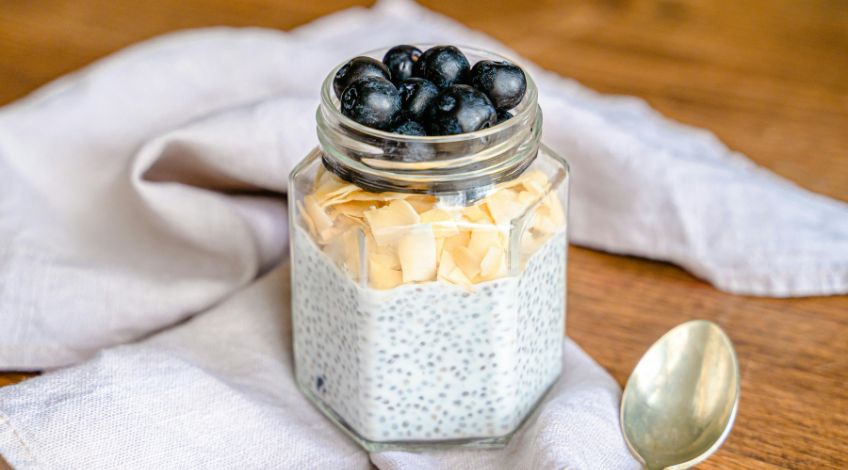
Soak chia seeds in coconut milk for a creamy, nutrient dense dessert.
Digestibility Issues & Allergic Reactions
Nuts and seeds can also be difficult for some individuals to digest due to their high fibre and phytic acid content. Plus, nut allergies can be severe and even life threatening.
Mitigation Strategies:
Here are a few suggestions for mitigating digestive and allergic reactions caused by nuts and seeds;
- Soaking and sprouting helps break down anti-nutrients.
- Roasting nuts can make them easier to digest.
- Monitor for intolerances if you experience bloating, gas, or other digestive discomforts.
- Avoid if allergic and opt for keto friendly alternatives like coconut or seed butters.
Final Thoughts
Nuts and seeds can be a valuable part of a ketogenic diet, but they require thoughtful consumption. Focus on low carb varieties, watch portion sizes, and be aware of potential toxins.
With proper preparation and moderation, you can safely enjoy these nutrient dense foods while staying in ketosis. If you found this helpful or interesting please share with your socials so others can enjoy it too.
SEE ALSO: Printable Keto Grocery List (Everything You Need for a Week of Easy Meals!)
Also, follow us on Pinterest ...