7 Things You’ll Damage If You Clean With Vinegar
Vinegar is often praised as a natural and budget friendly cleaner. It works wonders on limescale, tackles mould, and even freshens laundry.
But it is not a one size fits all solution. Because of its strong acidity, vinegar can quietly ruin a number of common surfaces and materials, sometimes beyond repair.
If you want to clean smarter and avoid costly mistakes, here are the things that should never meet your vinegar.
1. Aluminium Cookware

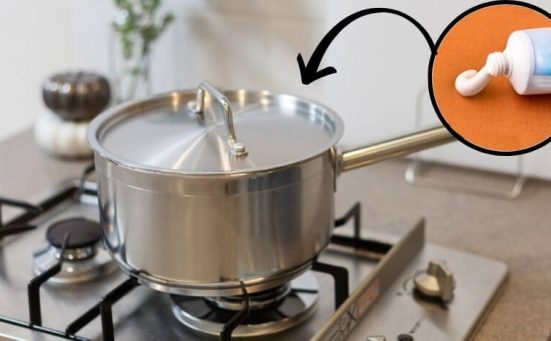
Aluminium reacts adversely to acidic substances like vinegar. Cleaning aluminium pots, pans, or utensils with vinegar can lead to pitting and corrosion, compromising their structural integrity and appearance.
Instead, use mild washing up liquid and warm water for routine cleaning. For stubborn stains, a paste of baking soda and water can be effective.
2. Cast Iron Cookware
Cast iron pans are valued for their durability and natural non-stick surface, which comes from a layer of built-up oil known as seasoning. This coating protects the pan and enhances cooking performance over time.
However, vinegar can strip away that protective layer, leaving the metal exposed to rust and food sticking to the surface.
To clean cast iron properly, avoid soap and vinegar altogether. Instead, scrub gently with a stiff brush and hot water, then dry thoroughly and lightly oil the surface to maintain its coating. With regular care, your pan can last for decades without the help of acidic cleaners.
3. Stainless Steel Knives
While stainless steel is generally resistant to corrosion, vinegar can cause pitting and dullness on knife blades over time.
The acid may also weaken the adhesive that holds the handle and blade together, especially in knives made with composite or glued materials. This can lead to loosening or cracking over time.
Knives should be cleaned with warm soapy water and dried immediately with a cloth to prevent water spots or blade corrosion.
For tougher grime, a microfibre cloth or a dab of bicarbonate of soda is far safer than soaking the blade in vinegar. If you want your knives to stay sharp and strong, skip the vinegar entirely.
4. Electronic Screens

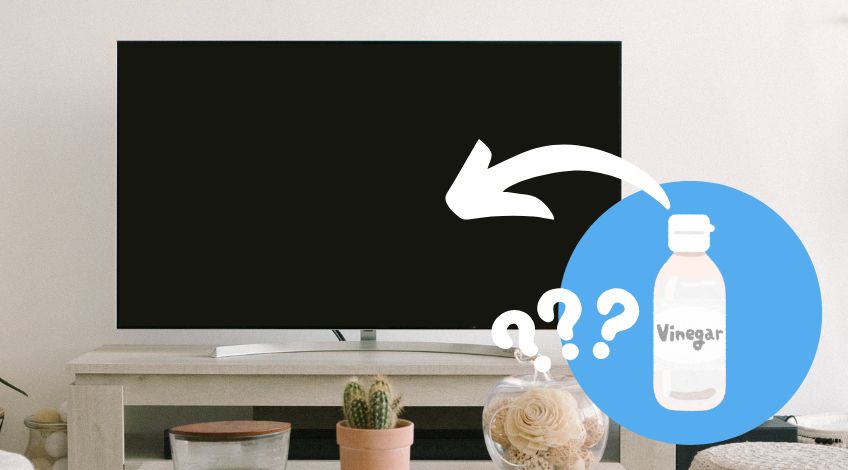
Touchscreens on smartphones, tablets, and televisions have delicate coatings that improve visibility and help prevent smudges.
These coatings are sensitive to acid, and vinegar can gradually strip them away, leading to reduced clarity and screen damage. Even a single wipe with vinegar can leave streaks that are hard to remove and may make the device less responsive over time.
Most major brands sold in the UK, including Apple, Samsung, and Sony, explicitly warn against using vinegar or window spray on their screens.
Instead, use a dry or lightly dampened microfibre cloth for day-to-day cleaning. For a deeper clean, specialist screen wipes or alcohol free solutions are a safer bet.
5. Rubber Components in Appliances
Appliances like washing machines and dishwashers often contain rubber seals and hoses. Vinegar’s acidity can degrade these rubber parts over time, leading to leaks and malfunctions. Manufacturers typically recommend using approved cleaning agents or descalers to maintain appliance longevity.
If you want to keep your machines running smoothly for years to come, check the manual and use products that are tested and approved for your appliance.
6. Grout Between Tiles
Grout, especially if it is unsealed, is porous and delicate. The acid in vinegar can erode its surface, making it crumble and creating gaps that allow moisture to seep through. This can lead to mould growth or even structural damage if the issue is ignored.
UK bathrooms and kitchens often feature tiled surfaces with cement based grout, which is particularly vulnerable to acid damage. Rather than using vinegar, try cleaning grout with a mix of bicarbonate of soda and water applied with a soft brush.
This method lifts stains without breaking down the grout material. For deep cleans, a pH-neutral tile and grout cleaner is a safer option that protects the look and integrity of your tiling.
7. Pet Messes on Carpets
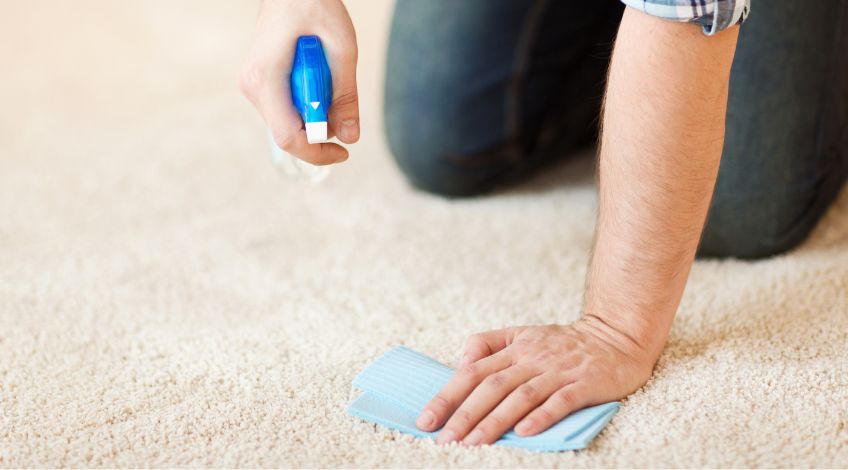
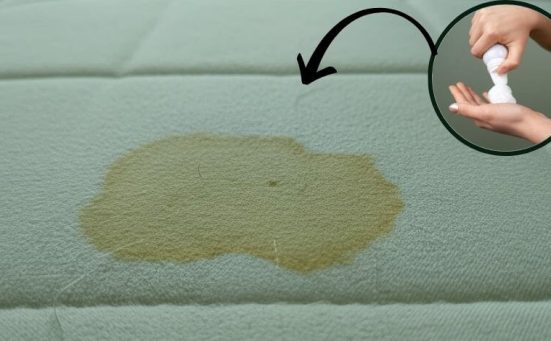
Using vinegar to clean up pet messes, especially urine, is a common mistake. While it might mask the smell to your nose, it does not break down the uric acid in animal waste.
In fact, vinegar can set the stain and make the area more appealing for pets to mark again. The acid also risks damaging carpet fibres, leaving behind rough or discoloured patches that are hard to fix.
Pet messes are almost inevitable, but they can be dealt with properly using enzyme based cleaners. These products are specially formulated to digest the compounds in pet urine and faeces, removing both the stain and the odour.
Let Others Know What Not to Clean With Vinegar!
These tips are perfect for anyone who regularly uses vinegar to clean. Spread the word on social media to help others protect their homes from accidental damage.
SEE ALSO: Homemade Cleaning Products That Don’t Include Vinegar
Also, follow us on Pinterest ...