This Surprising Hack Makes Stainless Steel Appliances Look Brand New
If you’ve ever frantically wiped down your stainless steel appliances minutes before guests arrive, only to see them looking worse than when you started, you’re absolutely not alone. Those fingerprints, water spots, and mysterious streaks seem to multiply the second someone rings your doorbell!
Here’s the thing that’ll blow your mind: you can make your stainless steel appliances look absolutely pristine using stuff you already have in your kitchen cupboards. I’m not talking about expensive cleaning products or spending your entire Saturday scrubbing. It’s actually about understanding how stainless steel works and using the right techniques in the correct order.
These simple methods will transform your kitchen from looking lived in to looking like it belongs in a magazine spread.
Why Your Current Cleaning Method Isn’t Working
Before we reveal the game changing techniques, let’s talk about why traditional cleaning methods often fail on stainless steel.
Most people make the absolute worst mistake: cleaning against the grain. Stainless steel has a natural grain pattern (think of it like wood), and working against it is like trying to brush your hair the wrong way. You’ll get those stubborn streaks that refuse to budge no matter how much elbow grease you put in.
The other crime against stainless steel? Using the wrong cleaning products that actually damage the protective coating. This makes future cleaning a proper nightmare and leaves you wondering why your expensive appliances look tatty after just a few years.
The other common mistake? Using paper towels or regular cloths that leave behind lint and create static electricity, which attracts more dust and fingerprints. This creates a frustrating cycle where your appliances look dirty again within hours of cleaning.
Essential Supplies For Professional Results
Gathering the right tools is half the battle won. Here’s what you’ll need for spotless stainless steel:
- Microfibre cloths are absolutely essential. These lint free wonders won’t scratch your surfaces and they trap dirt and grime effectively. Keep separate cloths for different tasks to avoid cross contamination.
- White vinegar works brilliantly as a natural degreaser and spot remover. Mix equal parts white vinegar and water in a spray bottle for an effective, budget friendly cleaning solution.
- Washing up liquid (just a tiny drop) mixed with warm water creates the perfect cleaning base for everyday maintenance.
- Olive oil might sound absolutely bonkers, but it’s honestly the secret weapon for achieving that showroom shine. Plus, it creates a protective barrier that actually repels future fingerprints. Genius, right?
- Glass cleaner can tackle stubborn spots that other methods miss, but use it sparingly and always follow up with proper drying.
Optional extras include bicarbonate of soda for tough stains and a spray bottle for easy application of your cleaning solutions.
The Professional Three Step Cleaning System
This systematic approach ensures you get professional results every single time, without the guesswork.
Step One: Deep Clean With Washing Up Liquid
Start with the foundation: a thorough clean to remove all grease, grime, and built up residue.
Add just one small drop of washing up liquid to a damp microfibre cloth. Work the soap into a light lather, then wipe your stainless steel appliances following the direction of the grain. You’ll typically find the grain runs horizontally on large surfaces like fridges and dishwashers.
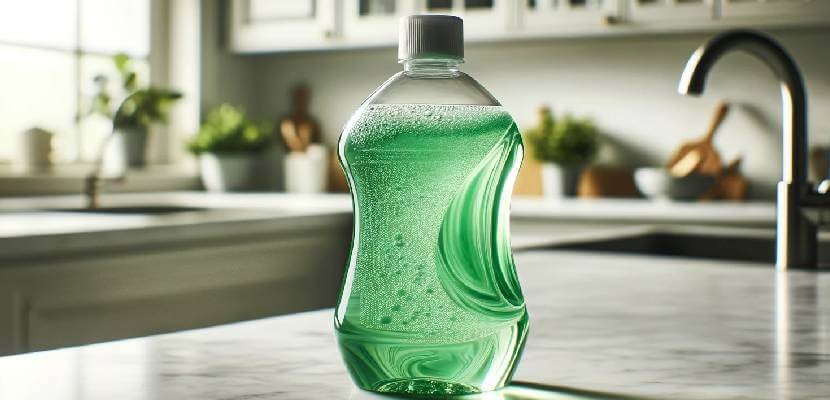
Pay extra attention to handles, because let’s be honest, they collect more grease than a fish and chip shop! For stubborn spots, let the soapy cloth sit on the area for a few seconds before wiping. Sometimes you’ve got to be patient with the really mucky bits.
Rinse your cloth frequently in clean water to avoid spreading dirt around. Once you’ve covered the entire surface, use a clean, damp cloth to remove all soap residue. This step is crucial because leftover soap will create spots and streaks.
Step Two: Remove Stubborn Spots With Vinegar
Even after the initial clean, you might notice water spots or lingering fingerprints. This is where white vinegar becomes your best friend.
Spray your vinegar solution lightly onto a clean microfibre cloth (never directly onto the appliance, as this can cause dripping and uneven coverage). Wipe the entire surface, again following the grain direction.
The mild acidity in vinegar breaks down mineral deposits from hard water and cuts through any remaining grease without damaging the stainless steel finish. For particularly stubborn spots, allow the vinegar solution to sit for 30 seconds before wiping.
Work in small sections to prevent the vinegar from drying on the surface, which could leave its own marks. The vinegar smell will dissipate quickly once the surface is dry.
Step Three: Polish To Perfection With Olive Oil
This final step transforms clean stainless steel into absolutely stunning, fingerprint resistant surfaces that rival showroom quality.
Apply just a few drops of olive oil to a clean, dry microfibre cloth. Seriously, you need way less than you think: too much oil will leave everything looking like you’ve been cooking chips! Buff the entire surface in long, smooth strokes following the grain.
The olive oil fills in microscopic scratches and creates a thin protective layer that repels fingerprints and water spots. Your appliances will have a gorgeous, subtle shine that looks expensive and well maintained.
For best results, use a separate dry cloth for a final buff to remove any excess oil and achieve that perfect gleam.
Quick Daily Maintenance Tricks
Keeping your appliances looking pristine between deep cleans is easier than you might think.
- The Two Cloth System works wonders for daily touch ups. Keep one slightly damp microfibre cloth for quick wipes and one completely dry cloth for buffing. This combination handles most fingerprints and water spots instantly.
- Strategic Timing makes maintenance absolutely effortless. Wipe down appliances while you’re cooking (when you’re already pottering about the kitchen) rather than making it a separate, dreaded chore. A quick 30 second wipe while waiting for the kettle to boil keeps everything looking guest ready.
- Handles get the most attention. Focus your daily efforts on refrigerator handles, dishwasher controls, and oven doors. These high touch areas make the biggest visual impact when kept clean.
Troubleshooting Common Stainless Steel Problems
Even with the best techniques, you might encounter specific challenges that need targeted solutions.
Removing Water Spots From Hard Water
If you live in a hard water area, mineral deposits can create stubborn white spots that seem impossible to remove.
Create a stronger vinegar solution using two parts white vinegar to one part water. Apply with a microfibre cloth and let it sit for two minutes before wiping away. For extremely stubborn deposits, gently rub with bicarbonate of soda on a damp cloth, always following the grain direction.
Prevent future water spots by drying appliances immediately after any water contact, especially around sinks and dishwashers.
Dealing With Grease Splatter
Kitchen appliances near the hob are proper grease magnets, aren’t they? Regular cleaning sometimes just can’t cope with the build up.
Mix equal parts white vinegar and warm water with just a drop of washing up liquid. This combination absolutely demolishes grease while being gentle on stainless steel. Apply with a microfibre cloth, let it do its thing for one minute, then wipe clean and dry thoroughly.
For baked on grease, place a warm, damp cloth over the area for a few minutes to soften the residue before cleaning.
Fixing Scratches And Scuff Marks
Light scratches don’t have to be permanent fixtures on your appliances.
Apply a small amount of olive oil to the scratch and gently buff with a microfibre cloth, always working in the direction of the grain. The oil helps blend minor scratches into the surrounding surface.
For deeper scratches, consider using a commercial stainless steel scratch remover, but test it on an inconspicuous area first.
What To Avoid At All Costs
Certain cleaning mistakes can permanently damage your stainless steel appliances, making them harder to clean and less attractive.
- Never use abrasive cleaners like scouring powder, steel wool, or rough sponges. These create permanent scratches that become dirt traps and make your appliances look old and worn.
- Avoid bleach and ammonia based cleaners which can discolour and pit stainless steel. Stick to gentle, natural cleaners that won’t compromise the protective finish.
- Don’t use paper towels for anything other than initial spill cleanup. They leave lint and can scratch the surface with repeated use.
- Never clean in circular motions as this creates visible swirl marks that are nearly impossible to remove. Always work with the grain in straight, overlapping strokes.
The Flour Polishing Secret
Here’s a trick that sounds absolutely mental but works like a charm.
After completing your regular cleaning routine, make sure the surface is completely clean and dry. Sprinkle a small amount of plain flour onto a dry microfibre cloth and buff the stainless steel surface.
The flour acts as an ultra fine polish, filling in tiny imperfections and creating a ridiculously smooth, reflective surface. The flour literally vanishes into the steel, leaving behind a mirror like finish that’ll have you checking your reflection!
This technique works particularly well on stainless steel fridges and dishwashers where you want that showroom appearance.
Club Soda For Emergency Touch Ups
When unexpected guests are arriving and you need quick results, club soda is your secret weapon.
Pour club soda into a spray bottle and lightly mist your stainless steel surfaces. The carbonation helps lift fingerprints and light stains effortlessly. Wipe with a microfibre cloth and buff dry for instant improvement.
This method is perfect for those last minute cleaning sessions when you don’t have time for the full three step process but need your kitchen to look presentable.
How Often Should You Deep Clean?
The frequency depends on how much your kitchen gets used and how fussy you are about appearances!
For most households, a proper deep clean once a fortnight keeps everything looking brilliant. But if you’re constantly cooking or have little ones who treat your fridge like a climbing frame, you might want to do it weekly.
High traffic appliances like the fridge and dishwasher fronts might need attention twice a week for handles and touch points, while that fancy wine cooler in the corner can probably go a month between deep cleans.
The beauty of this system is that once you’ve got the protective olive oil layer down, maintenance becomes so much easier. You’ll actually find yourself spending less time cleaning overall because the grime just doesn’t stick as stubbornly.
Your Sparkling Kitchen Awaits
Transforming your stainless steel appliances from fingerprint magnets to gleaming showpieces doesn’t require expensive products or professional cleaning services. With the right techniques and common household items, you can achieve results that make your kitchen look perpetually guest ready.
Remember, consistency beats intensity when it comes to maintaining beautiful appliances. Share this with anyone who’s ever had a proper battle with stubborn stainless steel stains! Share this in your family group chat or on Facebook, because honestly, everyone deserves to know these brilliant tricks for a spotless kitchen.
SEE ALSO: Don’t Scrub Another Toilet Until You’ve Tried This Dryer Sheet Trick
Also, follow us on Pinterest ...