Why Your Bathtub Still Looks Dirty No Matter How Much You Clean It
You’ve just spent an hour scrubbing your bathtub with everything from bicarbonate of soda to bleach, yet it still looks grimy and uninviting. Sound familiar? If you’re constantly battling soap scum, water stains, and mysterious discolouration despite your best efforts, you’re definitely not alone.
The truth is, most bathtub cleaning struggles come down to using the wrong approach, tackling the wrong culprits, or missing hidden problem areas entirely. This guide will reveal exactly why your tub keeps looking dirty and show you the specific techniques that actually work to get it properly clean and keep it that way.
You’re Fighting The Wrong Enemy: Understanding What’s Really Making Your Tub Look Dirty
Before you reach for another cleaning product, it’s important to understand what you’re actually battling in your bathtub. Most people assume soap scum is their biggest enemy, but there are actually several different types of buildup that require completely different approaches.
Hard Water Stains Are The Silent Saboteur
Hard water contains minerals like calcium and magnesium that leave behind chalky white deposits on your tub’s surface. These stains are particularly stubborn because they bond chemically with your bathtub material, making them nearly impossible to remove with regular cleaning products.
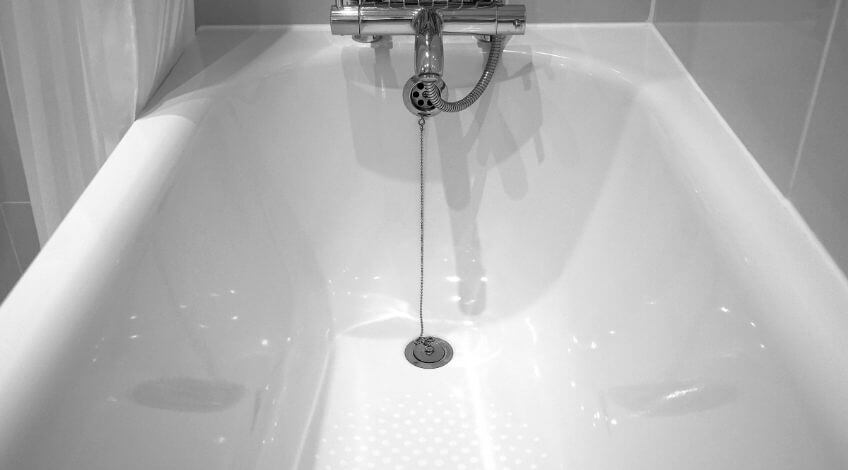
If you live in an area with hard water (which includes most of the UK), you’ll notice these deposits building up faster than you can clean them. The minerals in the water literally coat your tub every time you use it, creating that cloudy, dull appearance that makes even a freshly cleaned tub look dirty.
Soap Scum Creates A Sticky Trap For Everything Else
Soap scum isn’t just unsightly, it’s actually creating a sticky surface that attracts and holds onto dirt, dead skin cells, and bacteria. This happens when the fatty acids in soap combine with the minerals in hard water, creating a film that bonds to your tub’s surface.
This sticky layer acts like a magnet for everything else, which is why your tub seems to get dirty again so quickly after cleaning. You’re not just dealing with fresh dirt, you’re dealing with layers of buildup that have been accumulating over time.
Pink And Black Mildew Love Your Bathroom’s Humidity
That pink or orange film you sometimes see isn’t actually mould, it’s a type of bacteria called Serratia marcescens that thrives in humid environments. This bacteria feeds on soap residue and dead skin cells, creating that distinctive pink discolouration that seems to appear overnight.
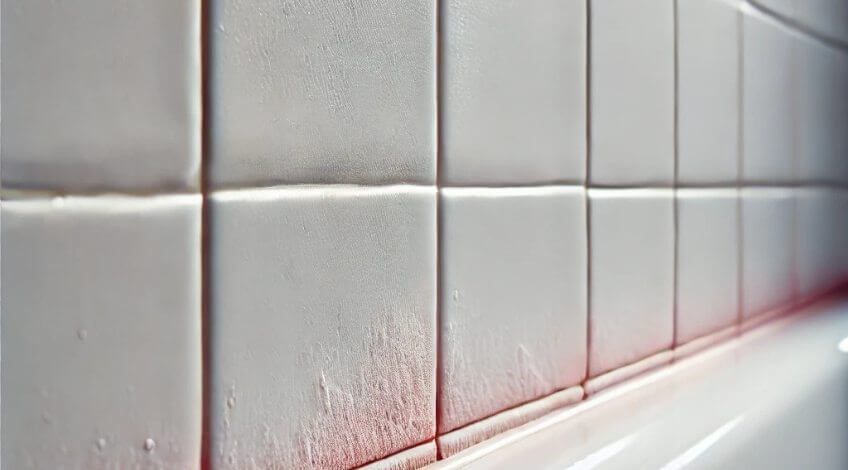
Black mould, on the other hand, is a serious fungal growth that can appear in poorly ventilated bathrooms. Both of these issues are signs that your cleaning routine isn’t addressing the root cause: moisture and residue that create the perfect breeding ground for bacteria and fungi.
The Common Cleaning Mistakes That Keep Your Tub Looking Grotty
Even the most dedicated cleaners can fall into these common traps that actually make their bathtub cleaning problems worse.
Using The Wrong Products For Your Tub Material
Not all bathtubs are created equal, and using the wrong cleaning products can actually damage your tub’s surface, making it more prone to staining and buildup. Acrylic and fibreglass tubs can be scratched by abrasive cleaners, creating tiny grooves where dirt and soap scum can hide.
Porcelain tubs can handle stronger cleaners, but even they can be damaged by bleach used too frequently or harsh acids that etch the surface. Always check what material your tub is made from and choose products specifically designed for that surface.
Cleaning When The Surface Is Bone Dry
Many people make the mistake of spraying cleaner on a completely dry tub, but this actually makes your job much harder. A slightly damp surface helps cleaning products spread evenly and work more effectively, especially when you’re dealing with soap scum and water stains.
Try giving your tub a quick rinse with warm water before applying your cleaning products. This simple step can dramatically improve how well your cleaners work and reduce the amount of scrubbing you need to do.
Not Giving Products Enough Time To Work
We live in a world of instant gratification, but cleaning products need time to break down buildup and stains. Most people spray, scrub immediately, and rinse, but this doesn’t give the chemicals time to do their job properly.
For best results, apply your cleaning product and let it sit for at least 10 to 15 minutes before scrubbing. For stubborn stains, you might need to let it work for even longer. This waiting period is especially important when dealing with hard water stains and soap scum.
The Professional Cleaning Method That Actually Works
After years of battling dirty tubs, here’s the step by step method that consistently delivers results for even the most stained and neglected bathtubs.
Step 1: Clear The Deck And Prep Your Space
Remove all bottles, toys, and accessories from your tub area. This gives you complete access to all surfaces and prevents cleaning products from getting on items you don’t want to clean.
Rinse the tub with warm water to remove loose dirt and debris. This pre rinse is crucial for helping your cleaning products work more effectively.
Step 2: Target Hard Water Stains With White Vinegar
Mix equal parts white vinegar and warm water in a spray bottle. The acetic acid in vinegar is perfect for breaking down mineral deposits that cause hard water stains.
Spray this solution generously over all surfaces of your tub, paying extra attention to areas with visible mineral buildup. Let it sit for at least 15 minutes to give the acid time to break down the mineral deposits.
Step 3: Attack Soap Scum With Bicarbonate Of Soda Paste
While the vinegar solution is working on hard water stains, create a paste using bicarbonate of soda and just enough water to form a thick consistency. This mildly abrasive paste is perfect for breaking down soap scum without scratching your tub’s surface.
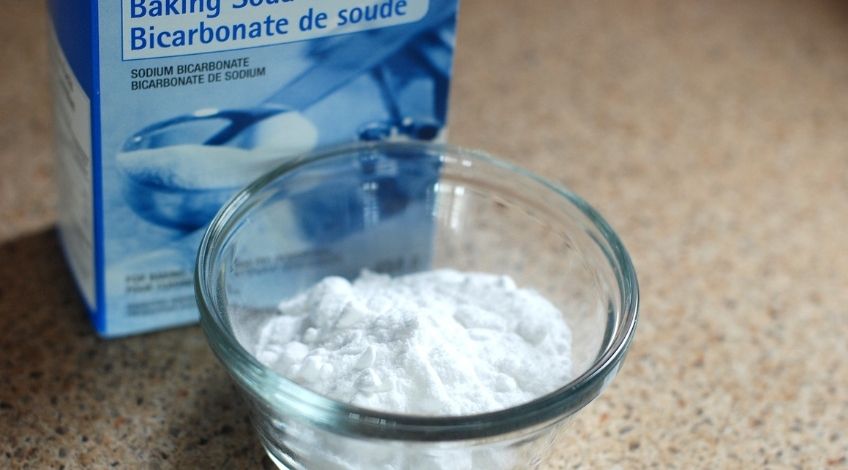
Apply this paste to areas with heavy soap scum buildup, typically around the waterline and in corners where soap tends to accumulate. The bicarbonate of soda will start working immediately to break down the fatty acids in soap scum.
Step 4: Let Chemistry Do The Heavy Lifting
This is the step most people skip, but it’s absolutely crucial for success. Let both the vinegar solution and bicarbonate of soda paste sit for at least 20 minutes. For particularly stubborn stains, you can let them work for up to an hour.
During this waiting period, the acids and alkaline compounds are breaking down years of buildup, making your scrubbing much more effective and requiring less elbow grease.
Step 5: Scrub Smart, Not Hard
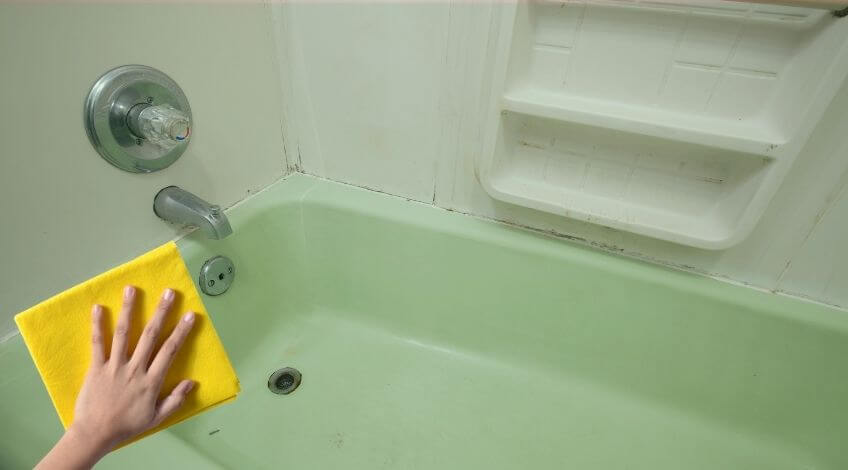
Using a non abrasive sponge or microfibre cloth, gently scrub the treated areas. You should find that most buildup comes away easily after the chemical treatment. For stubborn spots, use a soft bristled brush, but avoid anything too abrasive that could scratch your tub’s surface.
Work in small sections, rinsing as you go to remove dissolved buildup before it can resettle on clean areas.
Step 6: The Final Rinse And Shine
Thoroughly rinse your entire tub with warm water, making sure to remove all traces of cleaning products. Any residue left behind will attract dirt and make your tub get dirty faster.
For an extra shine on porcelain or enamel tubs, do a final wipe down with a clean, dry microfibre cloth to remove water spots and bring out the natural lustre of your tub’s surface.
Quick Fixes For Specific Staining Problems
Sometimes your bathtub has specific issues that need targeted solutions. Here are the most effective treatments for common problem areas.
Rust Stains From Old Fixtures
Rust stains often appear around taps, drain areas, and where metal fixtures meet the tub. These orange brown marks are particularly common in older homes with aging plumbing.
Create a paste using cream of tartar and lemon juice, apply it directly to rust stains, and let it sit for 30 minutes before scrubbing with a soft brush. The citric acid in lemon juice combined with the mild abrasive action of cream of tartar can remove even stubborn rust stains.
Yellow Discoloration On White Tubs
Yellow staining on white tubs is often caused by a combination of soap residue, hard water minerals, and sometimes iron in the water supply. This discolouration makes even clean tubs look dingy and uninviting.
Mix hydrogen peroxide with bicarbonate of soda to form a paste, apply it to yellowed areas, and let it sit for an hour before scrubbing. The hydrogen peroxide acts as a gentle bleaching agent while the bicarbonate of soda provides mild abrasion to lift embedded stains.
Black Spots In Grout And Sealant
Black spots in the grout lines or silicone sealant around your tub are usually mould growth that requires immediate attention. This type of growth not only looks unsightly but can also pose health risks.
Apply a solution of one part bleach to ten parts water directly to affected areas, let it sit for 10 minutes, then scrub with an old toothbrush. Always ensure good ventilation when using bleach and never mix it with other cleaning products.
Pink Film That Keeps Coming Back
That pink film that seems to reappear no matter how often you clean is bacterial growth that thrives on soap residue and moisture. The key to preventing its return is eliminating its food source and reducing humidity.
Clean with a mixture of bicarbonate of soda and washing up liquid, rinse thoroughly, then follow up with a disinfectant spray. The crucial step is improving ventilation and reducing the moisture that allows this bacteria to thrive.
How To Keep Your Bathtub Actually Clean Between Deep Cleans
The secret to a consistently clean bathtub isn’t more frequent deep cleaning, it’s developing simple daily habits that prevent buildup from occurring in the first place.
The 30 Second Post Bath Routine
After each use, spend just 30 seconds giving your tub a quick rinse and wipe down. This simple habit prevents soap residue from drying on the surface and makes your weekly deep clean much easier.
Keep a squeegee or microfibre cloth in your bathroom specifically for this purpose. The small effort now saves hours of scrubbing later.
Weekly Maintenance That Makes A Difference
Once a week, spray your tub with a mixture of equal parts white vinegar and water, let it sit for 10 minutes, then rinse. This weekly treatment prevents hard water buildup and keeps soap scum from becoming a major problem.
For families with young children who use the bath daily, this weekly maintenance is particularly important for keeping the tub safe and hygienic.
Monthly Deep Treatment For Long Term Success
Once a month, treat your tub to a thorough deep clean using the professional method outlined earlier. This monthly routine prevents the kind of heavy buildup that makes people think their tub is impossible to clean.
Schedule this monthly clean on the same day each month so it becomes an automatic habit rather than something you have to remember to do.
Your Sparkling Clean Bathtub Awaits!
A consistently clean bathtub isn’t about having superhuman scrubbing powers or expensive miracle products. It’s about understanding what you’re fighting, using the right techniques for your specific problems, and developing simple habits that prevent buildup from taking hold in the first place.
Remember, consistency beats intensity every time. A few minutes of daily maintenance and weekly prevention will keep your tub looking better than hours of occasional deep scrubbing ever could.
Ready to share these game changing tips? Send this article to anyone who’s ever complained about their stubborn bathtub stains. Because once you know these secrets, there’s no going back to endless scrubbing with disappointing results!
SEE ALSO: Why Your Shower Keeps Getting That Gross Pink Mould (And How to Fix It)
Also, follow us on Pinterest ...