6 Surprising Uses For Baking Soda In Your Garden (you’ll love #4)
Bicarbonate of soda (baking soda) has been a household staple since the 1880s. Our grandparents used it for all manner of cleaning situations. But did you know it’s a great ingredient to use in the garden as well?
In this brief article we’ll show you 6 surprising ways you can use bicarbonate of soda in your garden. These uses will not only surprise you, but some might just amaze you too!
How To Use Bicarbonate Of Soda In Your Garden
If you’re striving to be an organic gardener and don’t want to use harmful chemicals on your flowers and vegetables, bicarbonate of soda should be your go to substance. So, without further ado, let’s get into 6 surprising uses for bicarb in your garden.
1. Get Your Garden Furniture Clean
When spring comes around and it’s time to reuse your garden furniture, give it a good clean by wiping it down with a solution of bicarbonate of soda and water. Simply mix 1 cup of bicarbonate of soda into 1 bucket of warm water and wipe every nook and cranny of your stored garden furniture.
This will remove any insects that have taken up residence as well as any germs or bacteria. Allowing you to sit on your garden furniture without fear of infection or infestation!
Say goodbye to cobwebs and mystery stains, your garden furniture deserves a clean slate, just like you after a long winter!
2. Treat Powdery Mildew
Powdery mildew is a fungal disease that is easy to recognise because it leaves a white or grey powder on leaves, stems, flowers and fruit of plants. It can leave your plants distorted or stunted and damage any flowers or fruit.
It can also cause a plant to not yield as much fruit as it should. Treating affected plants usually entails using harmful chemical concoctions. An all natural treatment can be made by mixing ½ a tablespoon of bicarbonate of soda into ½ a litre of water with a squirt of washing up liquid.
Wet the leaves first with water and once it dries, spray each affected area (on both sides) with the mixture. Because no one likes a plant that looks like it’s been sneezing on itself all season!
3. Treat Black Spot
Black spot is another fungal disease that can affect roses, citrus and fruit plants. It causes black spots to appear on the leaves and fruit and can cause premature leaf drop.
In roses it is one of the most serious diseases the plant can suffer with. To help combat this disease, mix ½ a teaspoon of bicarbonate of soda, ½ a litre of water, a squirt of washing up liquid and a small drop of vegetable oil into a spray bottle.
Wet the affected areas first and allow them to dry. Then spray the area with the solution. The oil helps the mixture to stick to the leaves, the washing up liquid helps it to spread and the bicarbonate of soda makes the surface of the leaves alkaline.
The alkalinity of the leaves inhibits the growth of the fungal spores. With the added bonus that all of the ingredients are safe and won’t harm the environment.
Black spots are for Dalmatians, not your roses. Let’s keep your garden drama free!
4. Test The Acidity Of Your Soil
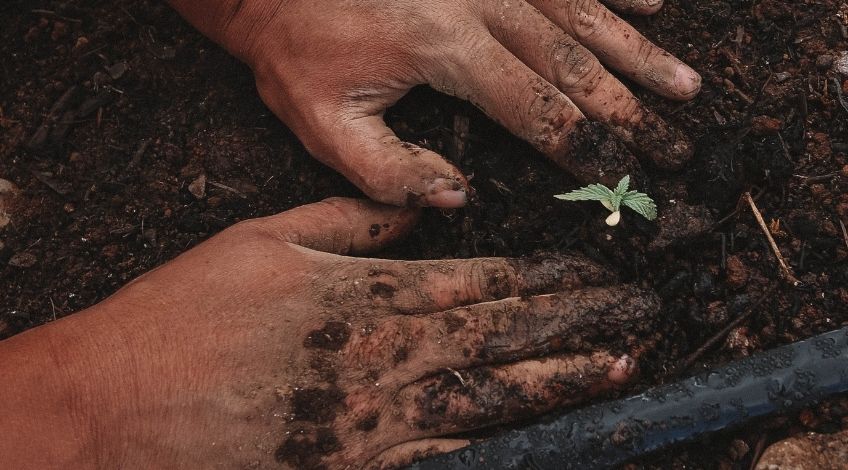
Gardeners need to know the acidity of the soil in order to get the best from their plants. You can buy expensive kits to test the soil’s acidity or you can use something that’s already in your cupboard.
All you need to do is put a small amount of soil into a container and mix it with water. Then add some bicarbonate of soda and watch for a reaction.
- Strong Fizzing
If there is a strong fizzing action going on, it indicates that the soil is quite acidic. - Slight Fizzing
If the fizzing is only minimal, it indicates the soil is only slightly acidic. - No Fizzing
If there is no fizzing at all, there’s a good chance that the soil is either neutral or alkaline.
This works because bicarbonate of soda is an alkaline substance which when mixed with acidic soil creates a chemical reaction, namely fizzing up. Who needs a chemistry lab when you’ve got bicarb and a keen eye for fizz?
However, this test might show that the soil is acidic, but it doesn’t show the actual level of acidity. It’s great for a rough guide but you might need a proper pH test kit for more accurate results.
5. Greenhouse Air Freshener
During winter months when the greenhouse gets no ventilation, it can start to smell musty. To combat this all you need to do is leave a half a pot of bicarbonate of soda with the lid off in the greenhouse during the winter.
It will absorb much of that damp musty smell and create carbon dioxide which is good for plants. In early spring when it’s time to get the greenhouse ready for planting again, wash down shelves and the whole interior with a solution of bicarbonate of soda and water to get rid of mould and mildew spores and bacteria.
Think of it as the greenhouse equivalent of lighting a scented candle, except way more practical.
6. Wheelie Bin Deodoriser
Wheelie bins can get, well, whiffy! After your bin has been emptied, sprinkle 250 ml of bicarbonate of soda into the bin and add 2 bowls of warm water. Swirl the mixture all around the bin and leave for around 20 to 30 minutes.
Then empty the mixture down an outside drain. Turn that stinky bin into a fresh bin-tastic masterpiece, your nose will thank you.
Extra Tips
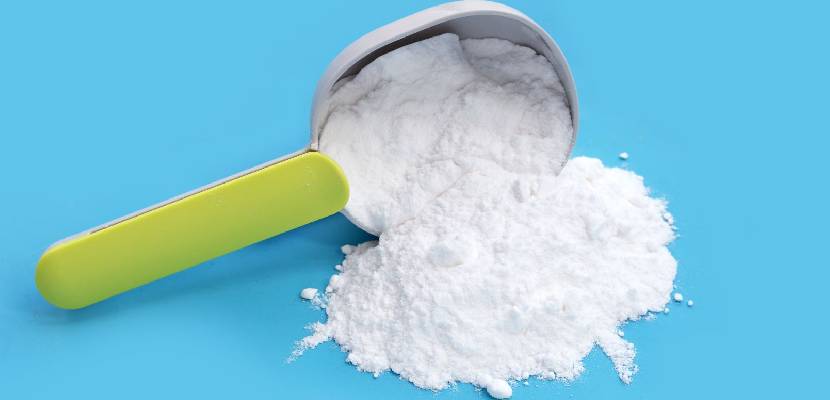
That’s our 6 surprising uses for bicarbonate of soda in the garden. But wait, there’s more…
Weed Control
As bicarbonate of soda is alkaline, it can be used to control weeds. It will work in garden beds, pathways and cracks and crevices. Bicarb is biodegradable and non toxic making an ideal way to control weeds without the need for harmful chemicals.
Simply apply directly to the weeds after mixing a 50/50 solution of bicarbonate of soda and water. Time to show those weeds who’s boss. And the best part? No toxic guilt trips!
Pest Control
Your plants called, they’d like to evict their unwanted tenants ASAP. To do this you need to make a spray from ½ a teaspoon of bicarbonate of soda, ½ a litre of water, a squirt of washing up liquid and a small drop of vegetable oil and pour into a spray bottle.
Then spray the affected area to get rid of aphids, mealy bugs, scales and fungus gnats.
Keep Pathways Clear Of Ice & Snow
During the depths of winter when pathways become skating rinks, it can be tempting to reach for the salt. But salt can be harmful to plants, a better way to melt ice and snow is to use, you guessed it, bicarbonate of soda.
It works just as well as salt without damaging plants.
Clean The Barbecue Grill
If you’re lucky enough to get a good summer, your barbecue might see a lot of action. But barbecue grills can get coated in thick grease and dirt which is usually difficult to clean properly.
Not any more, just scrub using a mixture of white vinegar and bicarbonate of soda. Your barbecue will soon be bright and clean (unlike the weather!) Your grill deserves better than last summer’s burger remnants, scrub it like you mean it!
Clean The Paddling Pool
Kiddies paddling pools can get dirty and germ laden very quickly. When cleaning your kid’s paddling pool use a solution of bicarbonate of soda and warm water to remove germs, bacteria and stains effectively.
Be sure to do the same at the end of the season before packing the pool away.
Unclog Outside Drains
Sometimes, your outside drain is in need of some TLC. Pour 250 ml of bicarbonate of soda down the drain followed by 1 cup of white vinegar. Stand back and watch the fizz action for a while. Feel like a mad scientist as you watch the fizz! Bonus points if you cackle.
Leave this to soak in for at least 1 hour (2 or 3 is better), then flush with 3 or 4 buckets of hot water. Your drain will now run faster and smell fresher than it has in ages.
Fill Cracks In Walls
Although this is not as effective as using a proper wall filler, you can fill small cracks in walls using bicarbonate of soda. All you do is mix it with super glue and apply to the affected area.
To be honest we haven’t tried this one because we don’t use super glue. But we have assurances that it works. Not quite a DIY miracle, but hey, it’s better than ignoring the crack, right?
Extra Bonus Tip
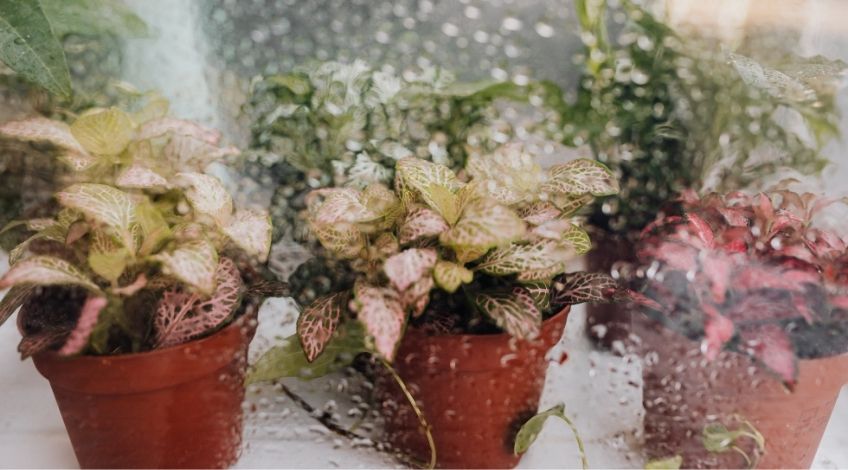
We’ve added this one right at the end because it’s not really a garden tip, it’s for houseplants. But they’re still plants, so it kind of fits.
Give Houseplants A Boost
When watering houseplants simply add a small amount of bicarbonate of soda to the water. This will help to promote growth and keep the plants healthy.
Especially if they prefer alkaline soil. Even houseplants deserve a little spa treatment, pamper them like the green divas they are!
Ready To Give Bicarb A Try In Your Garden?
Now that you’ve discovered these surprising and practical ways to use bicarbonate of soda in your garden, it’s time to take action! Whether it’s tackling mildew, refreshing your greenhouse, or giving your patio furniture a fresh start, bicarb is the ultimate multi-tasker for every green thumb.
Have you tried any of these tips, or do you have your own bicarbonate of soda gardening hacks? Share your experiences in the comments below, we’d love to hear them!
And don’t forget to save this post for later or share it with fellow garden enthusiasts who are always looking for eco-friendly and budget friendly solutions.
Happy gardening!
SEE ALSO: 14 Hacks That Make Bathroom Cleaning So Easy, You’ll Feel Like a Pro!
Also, follow us on Pinterest ...