
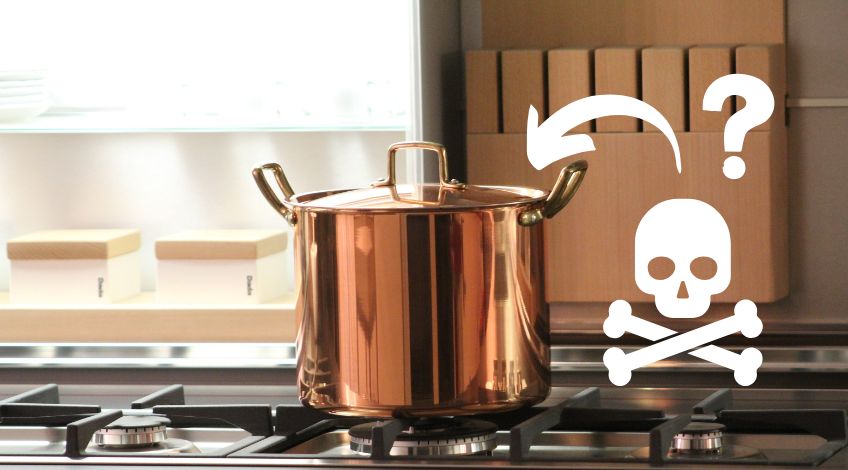
Are Copper Pots Safe or Secretly Toxic? Here’s the Real Answer
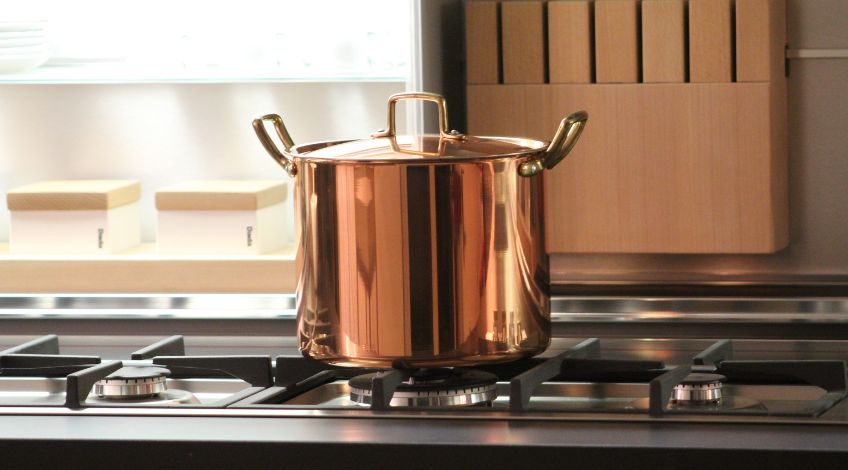
If you’ve ever looked through any cooking magazines or homeware magazines, you will have seen pictures of copper pots and pans hanging in French style kitchens. Copper pots and pans certainly look good gleaming in the sunshine as it comes in through the kitchen window.
But is it safe to actually use copper pots? Or are they likely to lead to copper poisoning? That’s what we’re going to find out in this article, so keep reading.
Are Copper Pans Safe To Use?
Copper cookware is definitely the most expensive type of cookware you can buy. And for the most part it is safe to use. Copper is a highly conductive material which means copper pans heat up and cool down very quickly.
Which is why all jam and preserve makers are advised to use copper pots to boil up the fruit and sugar ingredients. However, when copper is exposed to oxygen or acidic foods, it starts to break down and leeches into the contents of the pan.
Which means that although copper cookware looks great as decoration in the kitchen, true copper cookware might not be safe to use full time.
What Should Be Cooked In Copper Cookware?
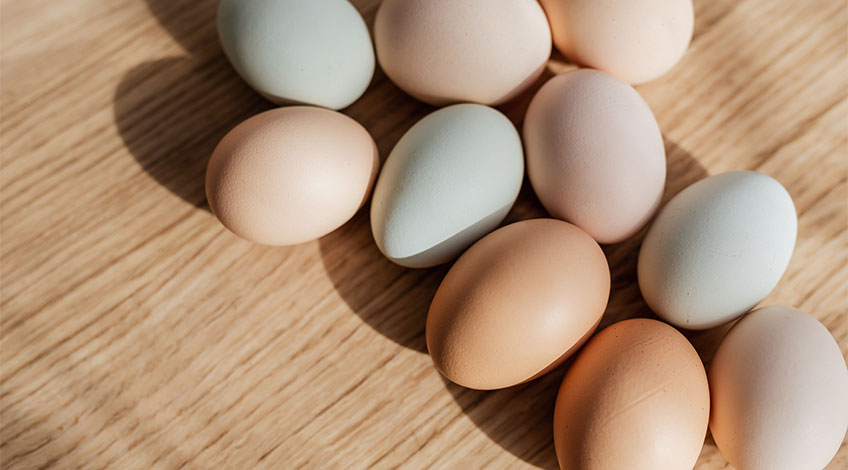
All foods with a high sugar content are safe to be cooked in copper pots like jams, preserves, sweet sauces and desserts. Let’s look at why jams and sauces are better when cooked in copper pots.
Jams, Preserves & Jellies
When making jams and preserves in copper pots, the copper ions attach to pectins in the cell walls of the fruit. This makes the fruit gel making the jam or preserve firm up and go, jam like.
The high quantity of sugar prevents the acids in the fruit from reacting with the copper which means it’s safe to make these products in pure copper pots. The secret to cooking in an unlined copper pot is to not allow the food to stay in the pot for too long.
Caramels
Homemade caramel can be incredibly difficult to make because it’s so easy to burn the sugar. To keep it from over cooking and burning, a copper pot is ideal.
As soon as you think the sugar has melted sufficiently, simply lifting the copper pan from the heat allows it to stop cooking immediately. You are in complete control when cooking caramels in a copper pot whereas stainless steel or iron cookware doesn’t cool anywhere near as instantly as copper which could be disastrous for your caramel.
Beating Egg Whites
When you want stiff peaks in your egg whites you should beat them in an unlined copper bowl. This is because copper ions from the bowl blend in with the egg whites as you mix.
Which prevents sulphur atoms from bonding together too tightly. Which means you can keep the foamy texture of the peaks needed when making meringue for example.
Foods You Should Not Cook In Copper Pots
While copper cookware has its advantages, it’s crucial to avoid cooking highly acidic foods in unlined copper pots. Foods like tomatoes, citrus fruits, vinegar based sauces, and wine reductions have a low pH and will react with the copper, causing it to leach into your food.
Copper begins to dissolve at a pH below 6, which includes a wide range of common ingredients. Over time, consuming these foods cooked in unlined copper pans can lead to copper buildup in the body, potentially causing toxic effects. Even reheating leftovers like chilli, tomato soup, or vinaigrettes in copper can pose a risk if the pot is unlined.
When in doubt, stick to lined copper or opt for stainless steel alternatives for anything acidic.
So, Is It Safe To Cook With Copper Pots?
You might not be aware of it but copper is actually a micronutrient that we get from some of our food and is necessary to maintain our health. So technically there’s no problem using copper pots when cooking.
Heat Exposure
Having said that, there are a few concerns that you should be aware of when using copper cookware. The main problem is the extreme temperatures that are attained when heating sugar in copper pots.
You see, boiled sugar is way hotter than boiled water and due to its sticky nature any spills could be extremely dangerous.
Cooking Acidic Foods
When cooking foods that are highly acidic like tomatoes, citrus or even added vinegar, copper from the pots can leach into the food. And while some copper is good for the human body, too much can have serious detrimental effects on your health.
What Are The Symptoms Of Ingesting Too Much Copper?
If you were to ingest too much copper you’re likely to exhibit some of the following symptoms;
- Abdominal Pain
- Diarrhea
- Nausea
- Vomiting
- Jaundice (yellow skin and whites of the eyes)
- Tremors (shaking)
- Chest pains
- Fever
- Anemia
- Convulsions
- Dementia
- Difficulty Speaking
- Liver Failure
- Kidney Failure
- Muscle Aches & Pains
If you or a family member display any of the above symptoms and you suspect it could be linked to copper ingestion, seek medical advice immediately.
Are There Different Types Of Copper Cookware?

If you really like the look of copper pots hanging from the rack in your kitchen and you also want to use them, you can. And you don’t necessarily need to be too concerned about the safety aspect either.
This is because there are two types of copper cookware and one is far safer than the other. Let’s look at these two different types of copper cookware;
1. Unlined Or Uncoated Copper Cookware
Unlined or uncoated copper cookware have both inner and outer surfaces made from copper. These pans can leach copper into food while the food is being cooked which can make them unsafe to use long term.
Eating one or two meals prepared in an unlined copper pot probably won’t do too much damage but as copper is poisonous in large quantities and it will accumulate in your body over time, it’s not a good idea.
This is also true for copper containers, they might look really decorative on countertops but they’re not really safe for food storage and should only be used to store non food items.
2. Lined Or Coated Copper Cookware
Lined copper cookware is perfectly safe to cook with because it’s only the outer surface which is made from copper. The inner surface is lined with food safe materials like stainless steel or tin.
They look just as decorative when hung up in the kitchen, but the metal lining creates a safe barrier preventing any copper from leaching into the food. Plus the copper outer surface is super responsive and will heat up and cool down at a fast rate.
Top Tips For Cooking Safely With Copper Cookware
If you like the idea of using copper cookware but you don’t want to poison your family, follow these tips;
- Only Use High Quality Lined Copper Pots
To be 100% sure that the food you’re cooking is copper free and safe to eat, make sure that you buy top quality lined copper pots. - Never Use Hard Utensils
To preserve the life of your copper cookware, never use metal or hard scratchy utensils. Go for wooden or silicone spatulas, stirrers and serving spoons. - Hand Wash Your Copper Cookware
Washing copper pots in a dishwasher can be too harsh whereas hand washing will be far gentler. This will make your copper cookware last longer. Just use a mild detergent and warm water to clean your copper pans straight after use. - Replace Any Scratched Or Damaged Cookware
If the lining in your copper pots is scratched or damaged in any way, it is no longer safe to use. As soon as you notice any scratches or even slight damage, the pans need to be discarded and replaced with new, safe pots.
Alternatives To Copper Cookware
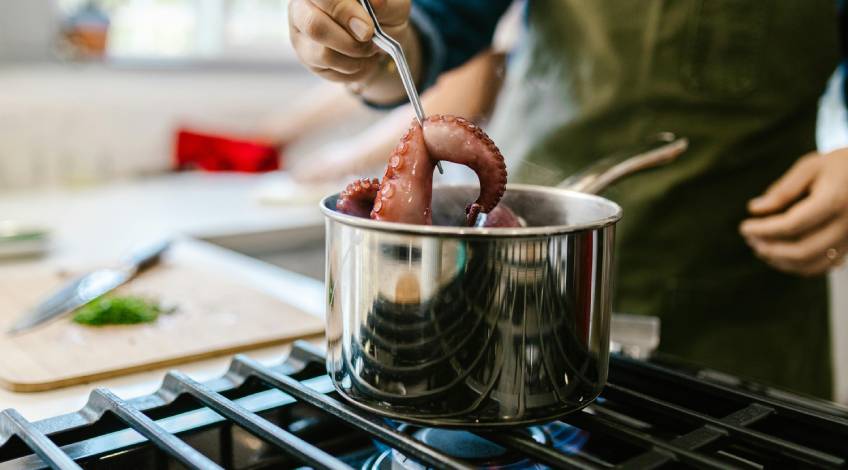
If you love the responsiveness of copper but don’t want the hassle of maintenance or the potential health risks, consider these safer alternatives;
- Clad Stainless Steel Cookware (Tri-Ply)
These pans have an aluminum or copper core sandwiched between stainless steel layers. They offer excellent heat control with a durable, non reactive surface. - Hard Anodised Aluminum
Lightweight, great heat distribution, and usually nonstick, these are solid performers for everyday cooking. - Enameled Cast Iron
Great for slow cooking and safe with acidic foods. Although not as responsive as copper, enameled cast iron provides excellent heat retention. - Induction Ready Cookware
If you’re using an induction cooktop, many modern stainless steel or hybrid pans now offer similar precision and safety.
These options provide the performance of copper without the maintenance concerns or risk of toxicity.
Copper Cookware Can Be Safe If You Use It Wisely
Copper pots aren’t just pretty, they’re powerful tools in the kitchen when used correctly. While pure, unlined copper cookware can pose real risks, especially with acidic foods, lined or coated copper pots are both safe and effective for everyday use.
With proper care, an understanding of when and how to use them, and a willingness to buy top quality, copper cookware can raise your cooking without damaging your health. Choose wisely, maintain properly, and you’ll enjoy the best of beauty, performance, and safety in your kitchen.
SEE ALSO: What To Look For In Stainless Steel Cookware
Frequently Asked Questions
No it’s not OK to cook tomato sauce in a copper pot. Tomato sauce is highly acidic and can react with unlined copper, causing copper to leach into the food. This could lead to copper toxicity. Only cook tomato based dishes in lined copper cookware or other non reactive materials like stainless steel or enameled cast iron.
To tell if your copper pan is lined, look inside the pan, if the cooking surface is silver or light grey (not the same reddish orange colour as the outside), it’s likely lined with tin or stainless steel. If the entire pot is copper coloured inside and out, it’s unlined and should only be used for specific tasks like making preserves or jams.
Foods high in sugar and low in acidity, such as jams, jellies, caramels, and syrups, are safe to cook in unlined copper. The sugar creates a barrier that prevents acidic reactions with the copper surface.
Also, follow us on Pinterest ...