Stop Guessing! Here’s How to Tell Instantly If Your Eggs Are Still Safe to Eat
Eggs are a staple in many households, but knowing whether they are still fresh can be tricky. Instead of relying on guesswork, there are simple and effective methods to determine if your eggs are safe to eat.
From quick at home tests to proper storage tips, here’s everything you need to know to avoid food waste and potential health risks.
How to Instantly Check If Your Eggs Are Fresh
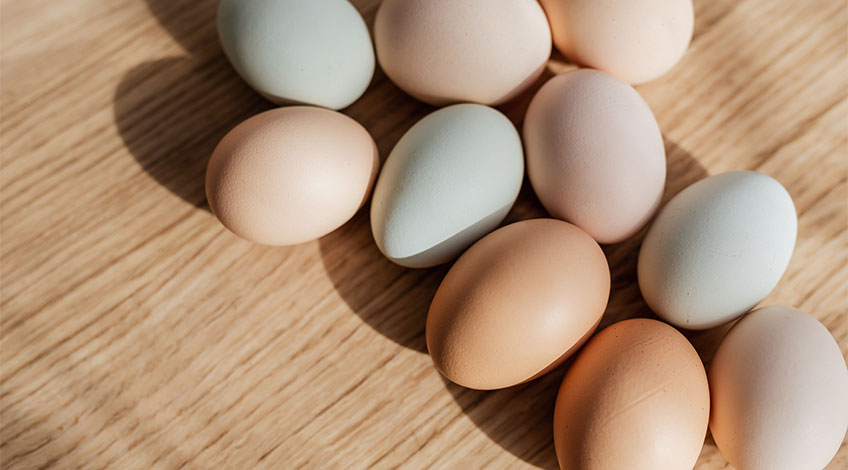
Worried about whether your eggs are still good? You don’t need fancy equipment to find out. A few simple checks can give you an answer in seconds:
The Float Test
- Fill a bowl with cold water and gently place the egg inside.
- Fresh eggs will sink and lay flat, slightly older eggs will stand upright, and bad eggs will float due to gas buildup inside the shell.
Important note: While this test is widely used, it is not foolproof, so it should be combined with other checks.
The Shake Test
- Hold the egg near your ear and shake it gently.
- If you hear a sloshing sound, the egg is old because the liquid inside has thinned over time.
- Fresh eggs will be silent.
The Sniff Test
- If an egg smells unpleasant or sulphuric when cracked open, it’s no longer safe to eat.
The Visual Inspection
- Check for any unusual cracks, slimy textures, or discolouration in the shell or egg white.
- Any of these signs indicate spoilage.
By using these quick tests, you can avoid eating bad eggs and ensure you’re only consuming the freshest ones.
How Long Do Eggs Stay Safe to Eat?
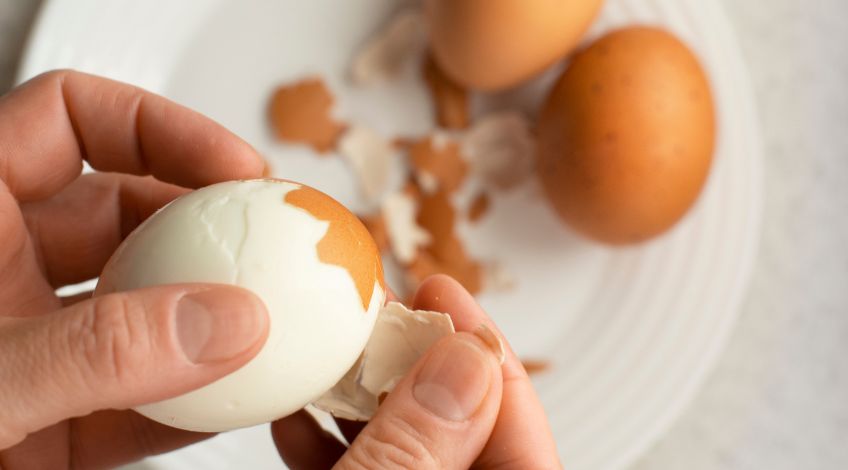
Eggs have a longer shelf life than many people realise, but storage conditions play a key role.
According to the UK Food Standards Agency (FSA), eggs can be safely consumed up to one day past their “best before” date if properly stored. However, they should always be cooked thoroughly to reduce the risk of foodborne illness.
Here’s a general guide to how long different types of eggs last when stored properly in the fridge:
- Raw eggs in shell
Up to 28 days from the date of lay (check the “best before” date on the carton). - Raw egg whites or yolks
Up to 2 days. - Hard boiled eggs
Up to 3 days.
Proper refrigeration helps keep eggs safe to eat for as long as possible. If you’re ever in doubt, use the float or sniff test before consuming.
Best Way to Store Eggs for Maximum Freshness
Storing eggs correctly extends their freshness and keeps them safe to eat. Follow these key tips:
- Keep eggs in their original carton to protect them from absorbing odours and moisture.
- Store them in the fridge at 5°C or lower, as recommended by the FSA. Avoid the fridge door, as temperature fluctuations can shorten shelf life.
- Do not wash eggs before storage. Unlike some other countries, the UK does not wash eggs before sale, leaving their natural protective coating intact. Washing them can remove this layer and allow bacteria to enter.
- Check for cracks before use. Bacteria can enter through a cracked shell, making the egg unsafe to eat.
Can You Eat Expired Eggs?
In the UK, eggs have a “best before” date rather than a strict expiration date. The FSA advises that eggs should not be eaten after this date unless thoroughly cooked.
If stored correctly, eggs can often be used beyond this date, but you should always check their freshness using the float test, sniff test, or visual inspection.
However, when in doubt, it’s always best to err on the side of caution and discard eggs that show any signs of spoilage.
Show Others How to Check Their Eggs Instantly!
No more second guessing whether your eggs are still good! Share this simple trick on social media so others can check their eggs instantly and avoid food waste.
SEE ALSO: Dishwasher Smells Like Eggs? (here’s why & what to do)
Also, follow us on Pinterest ...