Avoid These 21 Innocent-Looking Foods That Secretly Make You Gassy
In this article we’ll be taking a look at a subject that many people don’t like to talk about, wind. The reality is that everybody gets wind to some degree or other and the average person passes wind anywhere between 5 to 15 times every day.
Although most of us take no notice of a gassy escape, to others it’s highly embarrassing. The idea of this article is to guide you into avoiding the main culprits in your diet that are most likely to cause wind.
We will also highlight medical causes of gas which should be examined by your doctor. So, keep reading for all the information you need to keep you healthy and gas free (as much as possible).
What Causes Gas?
Any gas that you pass from either end, has to have entered your intestine somehow. This could happen when you swallow air or it might be produced by the bacteria and other microbes that are always present in your stomach.
Swallowing Air
There are several reasons why you might swallow air which include chewing gum or eating boiled sweets. Another cause is eating too fast or drinking through a straw.
One often ignored reason that air enters the body is if you chew on pens or pencils. Another cause of gas is air entering your body as you sleep.
This is particularly true if you sleep with your mouth open or snore. This can lead to you swallowing a considerable amount of air through the night.
Gut Bacteria & Microbes
The bacteria and microbes in your gut are there to break down the food that you eat. Depending on the type of food, they might need to work extra hard which produces more gas and can leave you feeling bloated.
Your intestinal tract expands like a balloon when too much gas is present and eventually that gas has to find a way out. Which is where farts or burps come from. As we said earlier this is a natural process and everybody passes wind every day.
Is Gas A Problem?
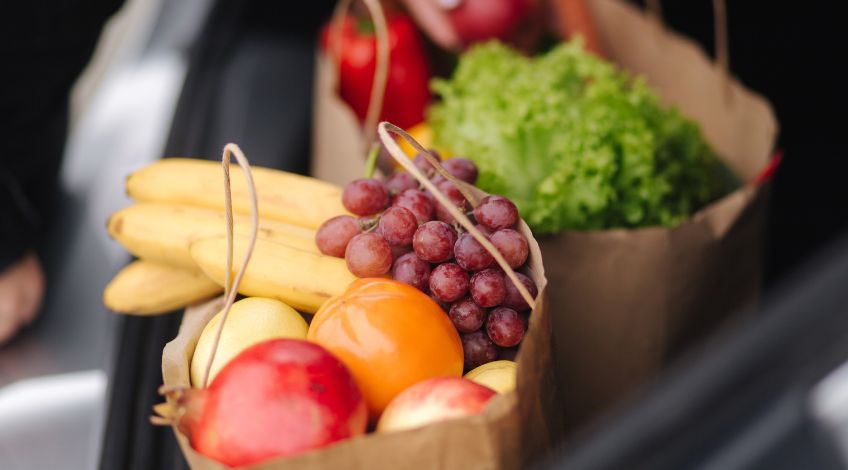
Before we look at foods that are known to cause wind, let’s talk about whether wind is a bad thing or not. Please note, we’re not advocating avoiding all of these foods because many are high in fibre and nutrients. Which means they’re healthy foods and essential for your overall health.
In fact, producing wind could actually be a sign of good health despite any embarrassment or discomfort caused. That’s due to the fact that many of the foods that create gas in our bodies are heart healthy complex carbohydrates which are full of necessary fibre.
The problem is that your body can’t break down these complex fibres but gut bacteria can, however, it produces wind as it does so. Which means you might have to consume less of certain foods or prepare them in a different way to ease off on the gas a little.
A Brief Word About FODMAP
You may or may not have heard about FODMAP which stands for Fermentable Oligosaccharides, Disaccharides, Monosaccharides And Polyols. FODMAPs are short chain carbohydrates that the small intestine finds it difficult to absorb.
Certain people can experience some form of digestive distress after eating foods that contain FODMAPs. Symptoms include;
- Cramp
- Bloating
- Constipation
- Gas & Flatulence
- Diarrhea
If you find you suffer from any of the list above on a regular basis you should consult your doctor. The chances are you could be intolerant to certain FODMAP foods but it’s best to make sure that there’s nothing more sinister going on.
Gassy Foods
Here’s a brief guide to help you to identify foods that commonly cause gas.
| Food Type | Gas Causing Compound | Possible Symptoms |
|---|---|---|
| Apples | Sorbitol | Bloating, Gas, Diarrhea |
| Beans | Raffinose, Fibre | Cramping, Gas |
| Dairy Products | Lactose | Bloating, Gas, Diarrhea |
| Carbonated Drinks | CO2, Sweeteners | Bloating, Burping |
| Cruciferous Vegetables | Sulphur, Fibre | Bloating, Flatulence |
| Onions/Garlic | Fructans | Gas, Cramping |
| Mushrooms | Mannitol | Gas, Diarrhea |
What Foods Cause Gas?
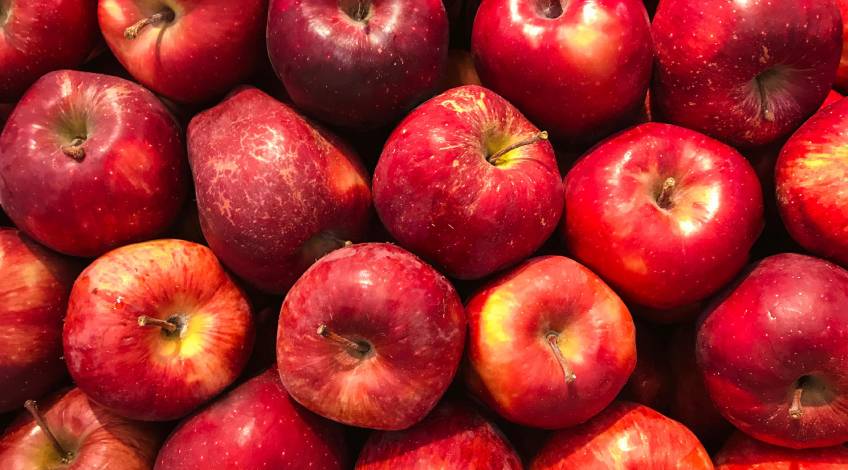
Now we understand a bit more about why your body produces gas, let’s look at the foods that can cause it. Some of these might be a surprise to you but they can be guilty of causing wind and bloating. They include;
Apples
We’ve all heard that old saying “An apple a day keeps the doctor away” which was penned due to the health giving benefits of this fruit. However, apples contain a natural sugar called sorbitol which some people can’t absorb into their bodies properly which leads to bloating, gas and diarrhea.
Blackberries
Blackberries are a healthy fruit with natural sugars that are ideal for anyone trying to reduce their processed sugar intake. But unfortunately, they contain the same natural sugar as apples, sorbitol. Which can lead to gas, bloating and even diarrhea.
Beans
We all know that song about beans, the musical fruit, which highlights their ability to cause gas. The natural sugar present in beans and legumes is called raffinose which is impossible for the body to digest.
Plus they are rich in fibre which can also cause bloating and wind. This includes all beans and legumes including (but not limited to);
- Green Beans
- Black Beans
- Baked Beans
- Chickpeas
- Lentils
- Haricot Beans
Artichokes
These vegetables contain a sugar called fructan which can cause gas in some people. If you experience gas or bloating after eating artichokes, you should just stay away from them altogether.
Watermelons
Watermelons are refreshing especially on a hot summer’s day. But they’re high in fructose, another natural sugar that some people have trouble digesting which can lead to gas.
This could be a genetic problem known as “hereditary fructose intolerance” which can be detected with a blood test.
Mushrooms
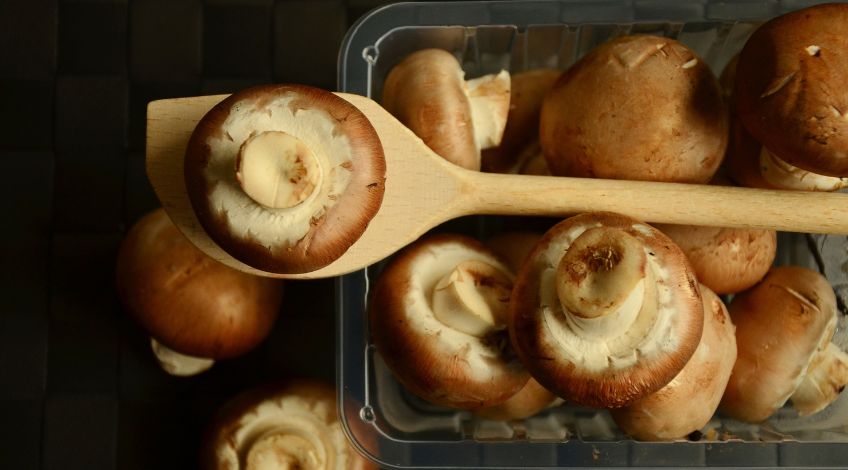
Mushrooms contain another natural sugar called mannitol which can cause gas, bloating and diarrhea. In fact they are often eaten in excess to cause a laxative effect in constipation sufferers.
Potatoes
Potatoes are a staple side order for most British dinners and most people are fine with them. But they contain starch which some people have trouble digesting. This can lead to bloating and gas in some individuals.
Peas
Peas are another common vegetable which are consumed regularly by many people at meal times. They contain a chain of natural sugars called galacto-oligosaccharides that actually feed the bacteria in our guts and cause bloating and gas.
Oats
Many people have porridge for breakfast because of its heart health qualities. It’s a great way to feel full all morning while not consuming anything that’s considered to be detrimental to your health.
However, if you eat too much before your body becomes accustomed to it, it could lead to bloating and gas.
Wheat & Other Whole Grains
Whole grains and wheat contain the natural sugar raffinose and huge quantities of fibre. Both of which can lead to bloating and gas. Many whole grains also contain a protein called gluten which some people are sensitive to and can experience bloating and gas after eating.
Grains that contain gluten include; Wheat, Rye & Barley and if you have a gluten intolerance you should avoid these grains.
Cruciferous Vegetables
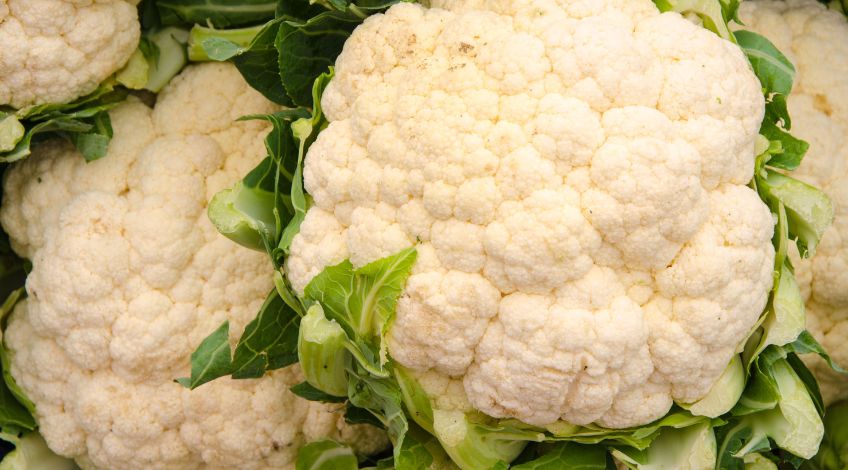
Cruciferous vegetables are really great for your health, but can be difficult to digest. Which can lead to bloating, cramp and wind. Cruciferous vegetables include;
- Cauliflower
- Broccoli
- Brussels Sprouts
- Radishes
- Cabbage
- Spring Greens
- Kale
- Turnips
You should try to consume at least some cruciferous vegetables because they are known to protect against some forms of cancer. But if they make you suffer too much from wind, consult your doctor for dietary advice.
Dried Apricots
If you’ve ever suffered from constipation, you might have got some relief by eating dried apricots. However, they also contain the natural sugar fructose which can cause bloating and gas in some people.
Onions
Onions contain a natural sugar called fructan which is difficult for the small intestine to absorb. Once those sugars reach the large intestine they mix with bacteria and ferment, which leads to bloating and gas.
Garlic
Garlic contains the same natural sugars as onions and works in the same way once it reaches your large intestine. Added to which some people are actually allergic to garlic which causes similar symptoms of bloating and gas.
Dairy

Although dairy products are a great source of calcium and protein, they can cause bloating and gas particularly in anyone with a lactose intolerance. Lactose is a natural sugar found in dairy products including;
- Milk
- Yogurts
- Cheeses
- Cream
Peaches
Peaches are a true sign of summer and nothing beats a ripe, juicy peach on a hot summer’s day. But peaches contain natural sugars called polyols which can cause bloating and gas in some people.
Fatty Foods
When you eat fatty foods it slows down your digestion processes. When your body has to work too hard to digest fatty foods gas can get trapped in your gut leading to bloating and wind.
Sugar Alcohols
Low calorie sweeteners like erythritol and sorbitol naturally occur in fruits. They are also manufactured industrially but either way, the small intestine cannot break them down so they reach the large intestine where they react with bacteria. This leads to bloating and excess wind.
What Drinks Cause Gas?

It’s not just foods that can cause bloating and gas, some of our more popular drinks can be just as bad. They include;
Coffee
Many people can’t function until they’ve had their morning caffeine fix. But coffee can cause bloating, stomach ache, gas and an urgent need to go to the toilet.
Carbonated Drinks
Drinks that have been carbonated can lead to bloating and gas in many people. Worse still are carbonated diet drinks, which have become ever more popular since many are trying to reduce their calorie intake and keep away from processed sugars.
These diet drinks contain sugar alcohols like mannitol and xylitol which can cause bloating, gas and act as a laxative if you drink too many.
Beer
Beer is produced by fermenting various grains and the gas from the fermenting process and the carbonation process can cause excess bloating and gas in your stomach. People with gluten intolerance can also suffer from drinking beer because of the presence of gluten in many beers.
It’s not just beer, many other fermented drinks like kombucha for example can also cause similar bloating and gas effects as well as other gastrointestinal problems.
Ways To Reduce Gas In Your Diet

There are ways to reduce the gas in your gut by;
- Avoiding chewing gum and boiled sweets
- Soaking beans and legumes in water before cooking
- Avoiding carbonated drinks
- Chewing food properly and not eating so fast
- Trying a low FODMAP diet
- Addressing snoring or mouth breathing
- Identifying foods that cause gas in your diet
You can also purchase some over the counter medications that are designed to relieve the symptoms of gas which can help with flatulence. Plus doing regular exercise and staying active can help gas move through the body faster which will alleviate bloating and flatulence.
Cooking Tips To Reduce Gas
You don’t have to eliminate gas causing foods entirely, here are some tips to make them more digestible;
- Cook vegetables thoroughly (especially cruciferous ones)
- Soak and rinse beans to remove some of the gas producing sugars
- Spice up your meals with ginger, turmeric, cumin, or fennel to reduce bloating
- Ferment foods like cabbage or carrots to aid digestion
- Gradually introduce fibre rich foods to let your gut adjust
Probiotics & Digestive Enzymes
Some people find that probiotics (like those found in yogurt or supplements) can support healthy gut flora and reduce gas. Also, digestive enzyme supplements (like lactase or alpha-galactosidase) can help break down troublesome compounds in dairy or beans. You should always speak to a healthcare professional before trying these solutions.
Gas In Infants & Children

It’s normal for babies and toddlers to be gassy, due to their immature digestive systems. Common causes include swallowing air while feeding or reacting to certain formulas or solid foods.
If your child seems uncomfortable or is excessively gassy, a pediatrician can rule out allergies or intolerances.
When To See A Doctor
Gas is usually harmless, but in some cases, it may signal something more serious. Consult your doctor if you experience;
- Sudden or unexplained weight loss
- Persistent or worsening bloating
- Blood in your stools
- Severe cramps or vomiting
- Nighttime symptoms that interrupt sleep
Could Gas Be A Sign Of Something More Serious?
Generally, bloating and gas are not causes for concern but in some cases they could be indicative of more serious issues. You should consult your doctor if you’re worried that your bloated feeling or excess gas could be related to;
- Irritable Bowel Syndrome (IBS)
- Gastroesophageal Reflux Disease (GERD)
- Celiac Disease
- Lactose Intolerance
- Fructose Intolerance
- Stomach Flu
- Food Poisoning
Other conditions that could lead to a blocked intestine include;
- Abdominal Hernia
- Colon Cancer
- Ovarian Cancer
Always consult a medical professional if you’re in doubt.
Are There Any Foods Or Drinks That Can Reduce Gas?

The most effective way to reduce gas and bloating is to avoid or at least seriously limit the foods and drinks that are known to cause it. But there are some foods and drinks that might help in reducing the amount of wind our bodies create. They include;
- Eggs
- Lean Meat & Protein
- Fish
- Certain Vegetables Like Courgettes & Lettuce
- Certain Fruits Like Grapes & Tomatoes
- Rice
- Peppermint Tea
- Chamomile Tea
Take Control Of Your Digestive Health
While a little gas is completely normal and even healthy, excessive bloating or discomfort doesn’t have to be part of everyday life. By understanding which foods are likely to trigger gas and how your body reacts to them, you can make smarter dietary choices without compromising on nutrition.
Whether it’s by adjusting how you cook, eating more slowly, or seeking medical advice when necessary, there are plenty of ways to keep your digestive system calm and comfortable. Don’t be afraid to talk about gas, it’s your body’s way of communicating. Listen to it, support it, and take control of your gut health one bite at a time.
SEE ALSO: Easy Keto Meals That Taste Great When You’re Low On Time
Frequently Asked Questions
Yes, it’s completely normal to pass gas every day. The average person passes gas between 5 to 15 times per day.
The most common culprits to cause gas include beans, dairy, cruciferous vegetables (like broccoli and cabbage), apples, and carbonated drinks.
Yes, healthy foods can make you gassy. Many healthy foods like fruits, vegetables, and whole grains are high in fibre and natural sugars that can cause gas during digestion.
Also, follow us on Pinterest ...