Can You Eat Eggs After Their Expiry Date?
You’ve just opened your fridge to grab an egg for a quick breakfast, only to notice the date on the carton was last week. Sound familiar? If you’re living alone or have a slow pantry turnover, this scenario probably happens more often than you’d like to admit. The good news? That expiry date might not be the end of the world (or your eggs) as you think.
Yes, you can often eat eggs after their expiry date, but there are important safety checks you need to know. For single eaters who don’t go through eggs quickly, understanding how to properly test egg freshness can save you money and reduce food waste without compromising your health.
Let’s crack into everything you need to know about egg safety, storage, and when it’s actually time to bin those eggs.
Understanding Egg Dates And What They Really Mean
Before we panic about that date on the carton, it’s worth understanding what those numbers actually represent.
The date printed on your egg carton isn’t necessarily an expiry date in the strictest sense. In the UK, you’ll typically see a “best before” date, which indicates when the eggs are at their peak quality rather than when they become unsafe to eat. This is different from a “use by” date, which you’d find on more perishable items like fresh meat or fish.
Best before dates are about quality, not safety. Eggs can often remain perfectly safe to eat for days or even weeks beyond this date if they’ve been stored properly. The key is knowing how to check if they’re still good.
For single households, this distinction is particularly important. When you’re not racing through a dozen eggs every few days, understanding these dates can prevent unnecessary waste and save you from those frustrating trips to the shop for just one or two eggs.
How To Test If Your Eggs Are Still Fresh
Rather than relying solely on dates, there are several reliable methods to check if your eggs are still good to eat. These simple tests have been used for generations and are far more accurate than arbitrary dates.
The Float Test
This is the most reliable method for testing egg freshness. Fill a bowl with cold water and gently place your egg inside. Fresh eggs will sink to the bottom and lie flat on their side. If the egg stands upright on the bottom, it’s getting older but still safe to eat. However, if the egg floats to the surface, it’s time to throw it away.
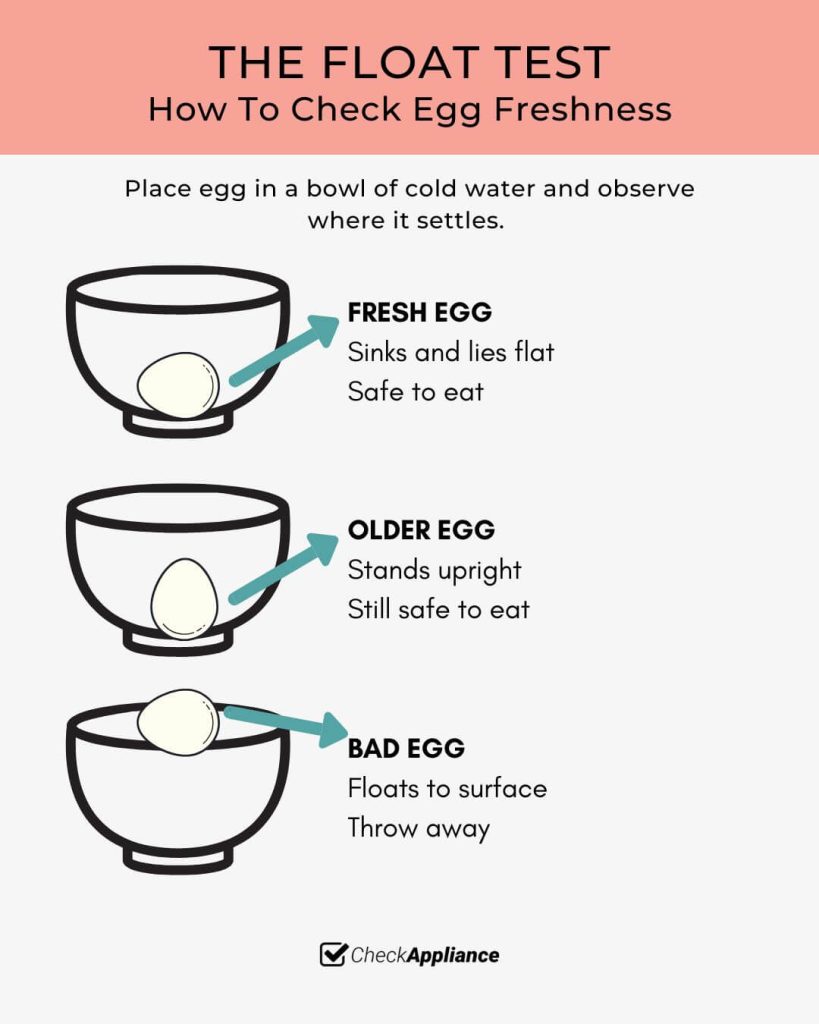
This works because as eggs age, the air pocket inside grows larger, making them more buoyant. It’s a foolproof way to check freshness without cracking the shell.
The Shake Test
Hold the egg close to your ear and give it a gentle shake. Fresh eggs won’t make much noise because the contents are thick and don’t move around much. If you hear sloshing or rattling sounds, the egg has likely gone off as the contents have become watery and separated.
Visual And Smell Check
When you crack the egg open, fresh eggs should have a thick gel like white that stays close to the yolk. The yolk should be round and sit high, not flat or broken. If the white is very runny or the yolk breaks easily, the egg is past its best.
Trust your nose here too. Fresh eggs have virtually no smell, while off eggs have a distinctly unpleasant, sulphurous odour that’s impossible to miss.
How Long Can Eggs Last Beyond Their Best Before Date
The answer depends on how they’ve been stored, but properly refrigerated eggs can often last 3 to 5 weeks beyond their best before date. Some sources suggest they can be safe for even longer, but for single households, this timeframe gives you plenty of flexibility without taking unnecessary risks.
Room temperature storage dramatically reduces this timeframe. Eggs left out at room temperature should be used within a week of their best before date at most, and that’s being generous.
The key factor here is consistent refrigeration. Eggs that have been kept at a steady 4°C or below will maintain their quality and safety much longer than those that have experienced temperature fluctuations.
Storage Tips For Single Households
Living alone or with a slow egg turnover presents unique storage challenges. Here are some practical tips to maximise your eggs’ lifespan:
Keep Them In The Fridge
Store your eggs in the main body of the fridge, not in the door compartments. The door experiences more temperature fluctuations every time you open it, which can affect egg quality over time.
Leave Them In The Carton
The original carton provides protection and helps prevent the eggs from absorbing strong odours from other foods in your fridge. It also helps maintain humidity levels around the eggs.
First In, First Out
When you buy new eggs, place them behind older ones so you naturally use the oldest eggs first. This rotation system prevents eggs from languishing forgotten at the back of your fridge.
Consider Buying Smaller Quantities
If you consistently find yourself throwing away expired eggs, consider buying half dozens instead of full dozens. Many shops offer smaller quantities, and the slightly higher per unit cost is often worth it to avoid waste.
When You Should Definitely Not Eat Expired Eggs
There are clear warning signs that indicate eggs have gone bad and should not be consumed under any circumstances.
Cracked Or Damaged Shells
Eggs with cracked shells should be used immediately or discarded. The crack provides an entry point for bacteria, significantly increasing the risk of foodborne illness.
Off Smells
If an egg smells bad when you crack it open, trust your instincts and throw it away. The sulphur smell of rotten eggs is nature’s way of warning you off.
Unusual Appearance
If the egg white has a pink or greenish tint, or if you notice any mould around the shell, discard the egg immediately. These are signs of bacterial contamination.
Temperature Abuse
If eggs have been left out at room temperature for more than two hours (or one hour in hot weather), they should be discarded regardless of their best before date.
Different Types Of Eggs And Their Longevity
Not all eggs are created equal when it comes to storage life. Understanding these differences can help you make better purchasing decisions for your household size.
Fresh Farm Eggs
If you buy eggs directly from farms or farmers’ markets, they often last longer than shop bought eggs because they haven’t been washed. The natural protective coating (called the bloom) helps preserve freshness. These eggs can often last 4 to 6 weeks when stored properly.
Processed Eggs
Shop bought eggs have been washed and graded, which removes the natural protective coating. This means they need refrigeration and typically don’t last quite as long as farm fresh eggs.
Free Range And Organic Eggs
These eggs don’t necessarily last longer than conventional eggs, but they often come in smaller pack sizes which can be perfect for single households.
Creative Ways To Use Up Eggs Before They Expire
For single eaters, finding ways to use eggs before they go off can be challenging. Here are some practical suggestions that work well for smaller households:
Batch Cooking
Make a large batch of scrambled eggs or egg fried rice and portion it out for quick reheating throughout the week. Cooked eggs can be refrigerated for up to one week.
Baking Projects
Eggs are essential in many baking recipes. Consider making a batch of muffins, a cake or biscuits when you notice your eggs getting older. Most baked goods freeze well and can provide quick snacks or breakfast options.

Pickled Eggs
This old fashioned preservation method can extend the life of your eggs significantly. Hard boiled eggs can be pickled and stored in the fridge for several weeks.
Share With Neighbours
If you find yourself consistently unable to finish eggs before they expire, consider splitting larger packs with neighbours or friends. Many people appreciate the gesture, and it helps reduce waste for everyone.
Keeping Your Kitchen Egg Smart
Understanding egg safety doesn’t have to be complicated. For single eaters dealing with slow pantry turnover, the key is combining proper storage with simple freshness tests. Those best before dates are guidelines, not absolute rules, and with a bit of knowledge, you can safely extend your eggs’ usable life while reducing waste.
Remember, when in doubt, it’s always better to err on the side of caution. But more often than not, those eggs sitting a few days past their printed date are probably perfectly fine to eat. Trust the tests, trust your senses, and stop feeling guilty about those eggs that seem to linger in your fridge longer than expected.
If you found these egg safety tips helpful, share them with friends who might be facing the same single household challenges!
SEE ALSO: Don’t Rip It Up Yet! Here’s How To Save Your Carpet From Candle Wax
Also, follow us on Pinterest ...