Different Types Of Keto: Which One Is Right for You?
The ketogenic diet has gained immense popularity for its ability to promote weight loss, enhance mental clarity, and improve metabolic health. However, many people don’t realise that there are multiple variations of the keto diet, each tailored to different lifestyles and goals.
Whether you’re an athlete looking for extra fuel, someone aiming for weight loss, or seeking therapeutic benefits, there’s a keto plan suited for you. Let’s explore the different types of ketogenic diets to help you determine which one aligns best with your needs.
Types Of Ketogenic Diets

There are five main types of ketogenic diet, which are;
1. Standard Ketogenic Diet (SKD)
This is the most common and widely followed version of the ketogenic diet. It consists of a high fat, moderate protein, and very low carbohydrate intake. The macronutrient breakdown typically falls around:
- 70 to 80% fat
- 10 to 20% protein
- 5 to 10% carbohydrates
This type is ideal for weight loss, improving metabolic health, and supporting neurological benefits. It helps the body enter and maintain ketosis, where fat is used as the primary fuel source.
Research has shown that the SKD can be highly effective for weight loss and may help manage conditions such as type 2 diabetes and epilepsy.
2. Targeted Ketogenic Diet (TKD)
The TKD is designed for individuals who engage in regular workouts and require an energy boost during exercise. This diet allows for small amounts of fast digesting carbohydrates to be consumed around workout times to enhance performance and recovery.
The macronutrient breakdown is similar to the SKD, but with an additional 20 to 50 grams of carbs strategically placed before or after workouts. This version is beneficial for athletes or active individuals who need extra glycogen replenishment without disrupting ketosis for extended periods.
Practical Tips: Opt for quick digesting carbs like glucose or dextrose rather than high fibre carbs to maximise workout efficiency.
3. Cyclical Ketogenic Diet (CKD)
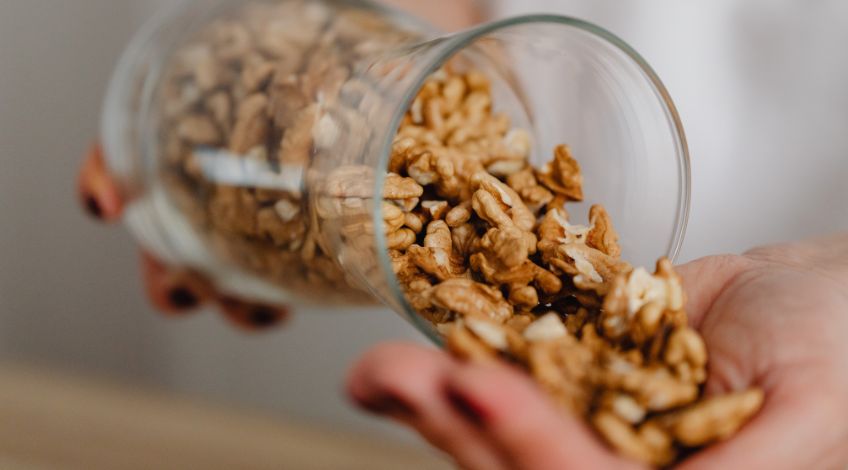
The CKD alternates between periods of ketogenic eating and higher carb intake. A common approach follows a 5:2 cycle, where five days are dedicated to standard ketogenic eating, and two days involve higher carbohydrate consumption (also known as carb loading days). The breakdown for high carb days typically includes:
- 60 to 70% carbohydrates
- 15 to 20% protein
- 15 to 25% fat
This diet is often followed by bodybuilders, athletes, or individuals who need periodic glycogen replenishment to support high intensity activities.
Some individuals might struggle with transitioning between carb heavy and keto phases, experiencing fatigue or digestive issues.
4. High Protein Ketogenic Diet (HPKD)
The HPKD follows the same principles as the standard ketogenic diet but includes a higher protein intake. The macronutrient breakdown typically falls around:
- 60 to 70% fat
- 25 to 35% protein
- 5 to 10% carbohydrates
This version is suited for individuals looking to maintain muscle mass, such as bodybuilders or those aiming for weight loss while preserving lean body mass. The additional protein supports muscle repair and recovery while still keeping the body in ketosis.
Many fitness enthusiasts have found the HPKD beneficial for maintaining lean muscle mass while cutting body fat.
5. Restricted Ketogenic Diet (RKD)
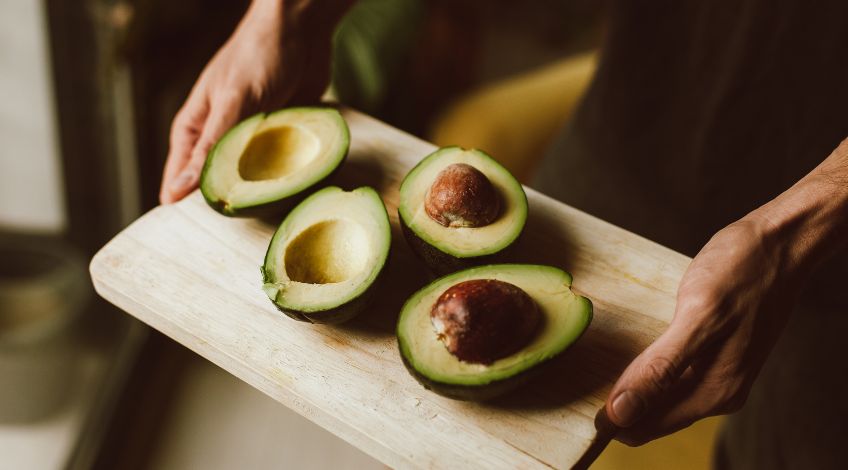
The RKD is a highly controlled form of the ketogenic diet, often used for medical purposes such as managing epilepsy or cancer treatment. It follows a strict macronutrient ratio, typically:
- 80 to 90% fat
- 5 to 15% protein
- 1 to 5% carbohydrates
Due to its restrictive nature, this diet is usually supervised by healthcare professionals and is not recommended for general use.
Studies have shown that the RKD can be effective in reducing seizures in epilepsy patients and may have potential benefits in cancer therapy by starving cancer cells of glucose.
Common Mistakes & How To Avoid Them
- Not Getting Enough Electrolytes
The keto diet can lead to an initial loss of water and electrolytes, causing fatigue and muscle cramps. Increase your intake of sodium, potassium, and magnesium. - Consuming Too Much Protein
Excess protein can be converted into glucose, potentially hindering ketosis. Stick to moderate protein intake unless following the HPKD. - Not Tracking Carb Intake Properly
Hidden carbs in processed foods can add up and disrupt ketosis. Focus on whole, unprocessed foods.
Side Effects & How To Manage Them
There are a few reports of certain side effects when starting a ketogenic diet, which include;
- Keto Flu
Symptoms like headaches, fatigue, and nausea are common in the first few days. Combat this by staying hydrated and consuming electrolytes. - Digestive Issues
Some people experience constipation or diarrhea. Eating fibre rich, non starchy vegetables and staying hydrated can help. - Bad Breath
Acetone production in ketosis can cause an unpleasant breath odour. Drinking more water and chewing sugar free gum may reduce it.
Who Should Avoid Keto?
There can be some health implications for certain people when going on a keto diet. We recommend consulting your doctor if you fall into any of the following groups;
- Individuals with kidney disease might need to limit protein intake, making some keto variations unsuitable.
- Those with gallbladder issues may struggle with high fat diets due to bile production limitations.
- Pregnant or breastfeeding women should consult a doctor before attempting keto to ensure adequate nutrient intake.
- Individuals with a history of eating disorders should approach keto cautiously, as its restrictive nature may trigger unhealthy habits.
Keto Friendly Food List

To simplify meal planning, here’s a quick list of keto-friendly foods:
- Healthy Fats
Avocados, olive oil, coconut oil, nuts and seeds - Proteins
Fatty fish, poultry, beef, eggs and tofu - Low Carb Vegetables
Spinach, kale, cauliflower, courgette (zucchini) and asparagus - Dairy
Cheese, double cream and Greek yogurt (in moderation)
In Conclusion
Each type of ketogenic diet serves different goals, so choosing the right one depends on individual needs, lifestyle, and health objectives. Whether you’re looking to boost athletic performance, optimise fat loss, or seek medical benefits, there is a keto variation that can work for you.
Have you tried any of these ketogenic diets? Share your experience in the comments, and don’t forget to pass this guide along to your friends on social media who might be curious about keto!
SEE ALSO: Why Keto Is NOT An “All You Can Eat” Diet (and how to do it properly)
Also, follow us on Pinterest ...