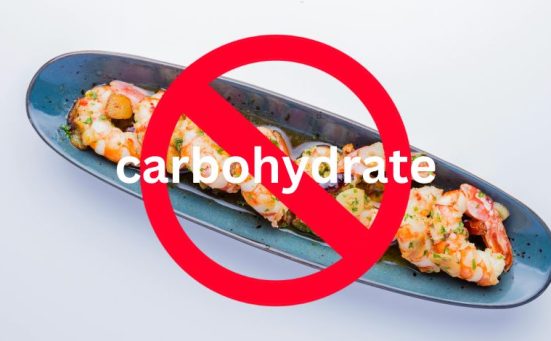
How Keto Affects Blood Sugar: What Pre Diabetics Need to Know
The ketogenic diet, commonly known as the keto diet, has gained widespread attention in the health and wellness space. Originally developed in the 1920s to treat epilepsy, it is now increasingly recognised for its potential benefits in managing blood sugar levels, particularly for individuals with prediabetes.
But how does this low carb, high fat diet impact blood glucose, and is it a safe and effective choice? That’s exactly what we’re going to find out in this brief article. Keep reading to find out more.
Understanding The Keto Diet
The keto diet focuses on a macronutrient breakdown that drastically reduces carbohydrate intake while increasing fat consumption. A typical keto diet consists of:
- 75% to 85% of daily calories from fat
- 10% to 20% from protein
- 5% to 10% from carbohydrates (approximately 25 to 50 grams of carbs per day)
By restricting carbs, the body enters a state called ketosis, where it burns fat for energy instead of glucose. This shift can lead to various metabolic changes, particularly in relation to insulin and blood sugar regulation.
Why Keto Matters For Prediabetes

Prediabetes is a condition where blood sugar levels are higher than normal but not yet high enough for a type 2 diabetes diagnosis. If left unaddressed, it can develop into full blown diabetes.
Since the keto diet minimises carbohydrate intake, it prevents sharp spikes in blood sugar, potentially improving insulin sensitivity. Studies have shown that low carb and ketogenic diets can lower fasting blood sugar and A1C levels, key markers for diabetes risk.
Types Of Keto Diets & Their Impact On Blood Sugar
There are different variations of the keto diet, allowing some flexibility for prediabetics:
- Standard Keto Diet
The traditional version that maintains consistently low carb intake to keep the body in ketosis. - Cyclical Keto Diet
Allows for 100 to 150 grams of clean, unprocessed carbs (e.g., fruits, vegetables, whole grains) on one or two days per week. - Targeted Keto Diet
Carbs are consumed around workout times to support energy needs. - Very Low Carb Diet
Similar to keto but without requiring a strict state of ketosis.
Key Insight: You don’t necessarily need to be in ketosis to see improvements. As long as a diet is low in carbohydrates, promotes weight loss, and stabilises blood sugar, it can benefit insulin resistance.
Benefits Of Keto For Blood Sugar Control

- Lower Blood Sugar Levels
Reduced carb intake prevents glucose spikes. - Improved Insulin Sensitivity
Less reliance on insulin can help reverse insulin resistance. - Weight Loss
Shedding excess weight is crucial for reducing diabetes risk. - Reduced Triglycerides & Increased “Good” Cholesterol (HDL)
Supports heart health, a major concern for those with prediabetes. - Potential Reduction In Diabetes Medication Need
Some studies show participants reducing or eliminating medication after following a keto plan.
There has also been much scientific interest in therapeutic ketosis for other long term conditions including; Alzheimer’s disease, Parkinson’s disease, dementia, epilepsy, brain injuries and cancer.
Having said that, research so far has been limited and more needs to be done before any reasonably positive claims can be made.
Do You Need To Measure Ketones?
While ketosis is a key aspect of the keto diet, significant benefits such as weight loss and blood sugar control can still be achieved even with mild ketosis. Measuring ketone levels can help determine if your body is effectively using fat for energy, and there are several methods available:
- Blood Ketone Meters
The most accurate method, measuring beta-hydroxybutyrate (BHB) levels in the blood. However, it requires finger pricks and test strips, which can be costly. - Urine Test Strips
A more affordable and accessible option, but it becomes less reliable over time as the body adapts to ketosis. - Breath Ketone Analysers
Measures acetone levels in the breath, providing a non invasive option, though accuracy can vary.
For pre diabetics, monitoring ketones isn’t strictly necessary. As long as you are maintaining a low carb intake, experiencing stable blood sugar levels, and losing weight, you are likely seeing the benefits of a keto or very low carb diet.
However, if you want to track ketosis for better insight into your progress, a blood ketone meter is the most reliable method.
Potential Risks & Considerations Of Keto

Despite its benefits, the keto diet isn’t for everyone. Consider the following:
- Keto Flu
Symptoms like fatigue, headaches, and dizziness may occur in the first few weeks. - Nutrient Deficiencies
Low carb eating can result in lower intake of vitamins, and minerals unless carefully planned. - Increased Ketones
While mild ketosis is normal, excessive ketones can lead to diabetic ketoacidosis (DKA) , a medical emergency for those with diabetes. - Sustainability Issues
The restrictive nature of keto makes long term adherence difficult for many people.
Important Note: Always consult a healthcare professional before starting keto, especially if you have prediabetes or any underlying health conditions.
Making Keto Work For You
If you decide to try keto for blood sugar management, follow these tips:
- Choose Healthy Fats
Opt for nuts, seeds, olive oil, and fatty fish over processed oils and trans fats. - Eat Whole Foods
Prioritise nutrient dense vegetables, proteins, and healthy fats. - Stay Hydrated
Electrolyte imbalances can occur as the body adjusts to a lower carb intake. - Monitor Your Blood Sugar
Regular checks can help track improvements and detect any concerns early. - Consider a More Flexible Low Carb Approach
If strict keto isn’t sustainable, a moderate low carb diet can still yield benefits.
In Summary
The keto diet presents a promising approach for blood sugar control and insulin sensitivity improvement in prediabetes. While it can be effective, it’s not a one size fits all solution. The key is to find an approach that works for your lifestyle while keeping long term health in mind.
If you’re considering keto for prediabetes, work closely with your doctor to tailor a plan that fits your needs and ensures safe, effective results.
Save this guide for later & share it with someone who might benefit from keto for blood sugar control!
SEE ALSO: 5 Things You Should NEVER Put In An Air Fryer!
Also, follow us on Pinterest ...