Here’s How to Clean Leafy Greens Properly So You Don’t Eat Hidden Bugs
If you’ve ever taken a large bite on lettuce, spring greens or kale and got a mouthful of grit, you’ll know just how important it is to wash your leafy greens before using. And it’s not just sand, dirt or grit you could be ingesting, you could also be feasting on hidden insects along with your lettuce.
Which leads us into this article pretty nicely, if you’ve ever eaten dirt or sand along with your lettuce, you need to read this article. It’ll take you around 5 to 10 minutes but I guarantee it will change your life. Keep reading to find out more.
Why Do Lettuce & Other Leafy Greens Need Washing?
Apart from the obvious black or sandy coloured patches on the leaves that are clearly visible, your lettuce leaves could be hiding dirt, insects, pesticides and bacteria. Now, it’s possible that ingesting any of those in small quantities might not do you any harm.
But who wants to knowingly eat insects, pesticides and germs and bacteria? Well, certainly not me for a start! Did you know that incorrectly washed leafy greens can harbour bacteria including E. coli, salmonella and listeria?
Nobody wants to make themselves seriously ill, especially when it can be avoided simply by washing their greens.
What About Prewashed Leafy Greens?
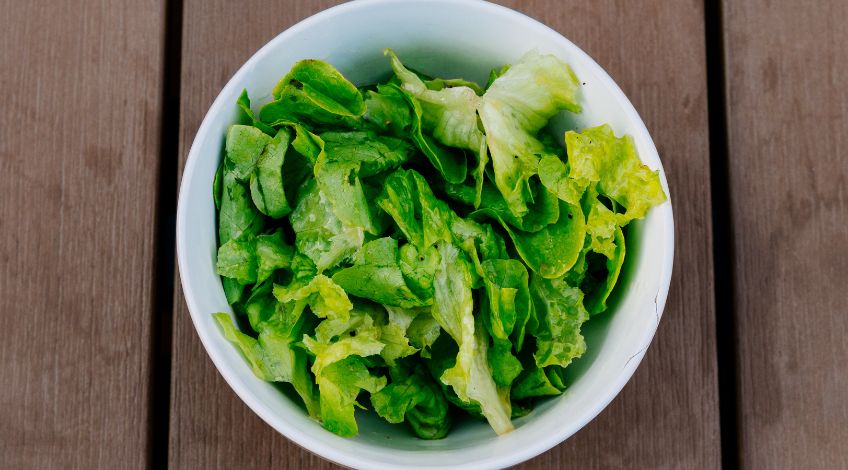
Those bags of prewashed lettuce or spring greens that are found in supermarkets seem like a good idea. They cost more than buying the whole vegetable but all you need to do is open the packet and use the prewashed leaves right?
Wrong! It doesn’t matter what it says on the bag, all prewashed leafy greens are washed in a factory using a solution of bleach and water. They use a bleach solution to kill off bacteria and any insects that have taken up residence.
The trouble is not every leaf gets fully rinsed which means you could be unwittingly consuming bleach as you eat your “healthy” salad. As if that wasn’t bad enough, scientific studies have recently revealed that the bleach solution that’s used to wash prewashed leafy greens isn’t always effective in removing bacteria completely.
So, to ensure you and your family remain healthy when using prewashed greens, they should be properly washed at home before use.
When Should You Wash Leafy Greens?
We all live super busy lives which means it’s often much more convenient to have a supply of already washed leafy greens on stand by in the fridge. If you’re one of these people, you can wash your lettuce or spring greens ahead of time and store them in the fridge in a specially designed lettuce keeper.
No products found.
These specially designed containers allow air to flow around the lettuce which keeps them crisper for longer. If you were to remove all of the air from around the lettuce it would go slimy at a much faster rate than allowing air to circulate around it.
Or you might prefer to wash your leafy greens just before you use them, and that’s fine. When you wash your leafy greens isn’t as important as how you wash them.
How To Freshen Up Limp Lettuce
If you have held onto a lettuce for slightly too long, it might have wilted slightly. The good news is that unless it’s too far gone and looking very shrivelled or slimy, it can often be rejuvenated enough to use in one final meal.
All you need to do is place the limp lettuce leaves in a large bowl filled with ice cold water for around 30 to 40 minutes. This will help to bring the leaves back to life and crisp up.
After the soaking period is done, wash and dry the lettuce in the usual way and use within as short a frame of time as possible.
How To Wash Leafy Greens Properly

Now that you know why it’s so important to wash leafy green vegetables before eating them, even if they are prewashed, it’s time to show you the right way to wash them. All you need to do is follow this simple step by step guide;
- Fill The Sink WIth Cold Water
You can use a bowl if you prefer or fill the whole sink with cold water. Whatever receptacle you use, make sure it’s thoroughly clean before filling with water. - Place Your Leafy Greens In The Water
Separate each leaf of your lettuce or spring greens and place each one in the water. Be sure to agitate the water so that it reaches all of the nooks and crannies of the leaves. - Allow Them To Soak
Leave the leafy greens to soak in the water for 15 to 20 minutes to allow dirt and sand to fall off and land on the bottom of the sink or bowl. - Rinse Each Leaf
After the 15 to 20 minutes soak time is up, remove each leaf individually and rinse them under running water. This will ensure that any remaining sand or dirt is removed. - Dry The Leafy Greens
After rinsing, give each leaf a gentle shake to remove as much water as possible. If you have a salad spinner use that to remove excess water.
If you don’t have a salad spinner, try wrapping the greens in a clean tea towel and put the wrapped bundle into a plastic carrier bag. Then tie the bag and spin the bag whilst holding the handles. This forces any remaining water to drain off the leaves and get absorbed by the tea towel.
How To Store Leafy Greens
In order for them to last longer, leafy greens including;
- Lettuce
- Spring Greens
- Kale
- Collards
Should be stored in the fridge unwashed at a temperature of around 1.5 to 3 oC (35 to 38oF). This should ensure that they last for about 7 to 10 days.
If you prewash leafy greens, they should be used within 3 days to be sure they remain fresh. This is especially important for lettuce which is used raw. But even spring greens, kale or collards should be used within a similar time frame to ensure they taste as good as they should.
What Other Vegetables Should Get Washed Before Use?
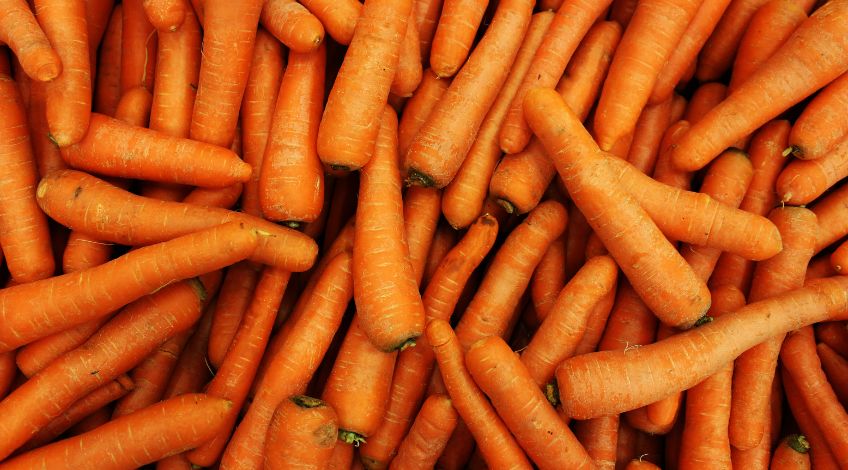
According to Public Health England Any vegetable that has any dirt on it should be soaked for 15 to 20 minutes and rinsed before use. Particularly any vegetable that’s going to be eaten raw.
That includes;
- Spring Onions
- Radishes
- Carrots
- Lettuce
- Rocket (arugula)
It is widely accepted that washing your raw vegetables before consumption isn’t a 100% fail safe method but it does give you the best chance of avoiding infection.
What About Organic Vegetables?
With the rise of the organic vegetable movement, do the same rules apply or will these be less likely to be contaminated? Unfortunately, no matter how the vegetables were grown, whether organically or not, they can still carry harmful germs and bacteria.
Which means even organic vegetables should be thoroughly washed before use.
Don’t Skip the Wash,Your Health Depends On It
Washing leafy greens might seem like an extra step in your already busy routine, but it’s a small effort that pays off in a big way. Whether you’re dealing with prewashed salad bags or fresh from the market produce, taking the time to clean your greens properly can help protect you from bacteria, pesticides, and unexpected bugs.
Remember, just because it looks clean doesn’t mean it is. With a few simple steps, you can make sure your vegetables are not only safe to eat but also taste fresher and crisper. Make proper washing part of your kitchen routine, it’s one of the easiest ways to make your meals safe for you and your family.
SEE ALSO: Don’t Throw Out Wilted Lettuce Until You Try This Kitchen Trick
Frequently Asked Questions
It’s important to wash leafy greens before eating them because washing leafy greens removes dirt, grit, insects, pesticides, and harmful bacteria like E. coli, salmonella, and listeria that could make you sick.
No, even prewashed greens should be rinsed at home. They’re often cleaned with a bleach solution in factories, which may not remove all bacteria, and you could end up ingesting chemical residue.
The best way to wash leafy greens is to soak separated leaves in cold water for 15 to 20 minutes, agitate them to release dirt, then rinse each leaf under running water and dry thoroughly with a salad spinner or clean towel.
Yes, even organic vegetables can carry germs and bacteria from the soil or handling, so they should be washed just like conventionally grown produce.
Also, follow us on Pinterest ...