Keto Macros Explained: How Much Fat, Protein & Carbs You Actually Need
The ketogenic diet has gained widespread popularity, not just as a weight loss tool but as a lifestyle choice embraced by many for its potential health benefits. Fans praise it for reducing hunger, stabilising blood sugar levels, enhancing mental clarity, and improving body composition.
However, while the keto diet sounds simple (low carbs, high fat) the reality is that achieving and maintaining ketosis requires careful planning, discipline, and an understanding of macronutrients.
At its core, the keto diet alters the body’s metabolism, shifting it from burning carbohydrates for energy to burning fat instead. This process, called ketosis, relies on a precise balance of fat, protein, and carbohydrate intake. Too many carbs, and you’ll fall out of ketosis. Too much protein, and your body may convert it into glucose, disrupting fat burning. So how do you determine the right amounts of each macronutrient to consume? Let’s break it down.
Understanding Macros On The Keto Diet
Macros, or macronutrients, are the three primary energy sources in our diet:
- Fat
The most energy dense macronutrient, supplying 9 calories per gram. - Protein
Provides 4 calories per gram. - Carbohydrates
Also provides 4 calories per gram.
In a typical ketogenic diet, macronutrient intake is distributed as follows:
- 70-90% of calories from fat
- 10-30% of calories from protein
- Less than 10% of calories from carbohydrates
Achieving Ketosis
Unlike traditional calorie cutting diets, the keto diet shifts the body’s primary fuel source from glucose (which comes from carbohydrates) to ketones, which are byproducts of fat metabolism. This shift requires significantly reducing carbohydrate intake while increasing dietary fat.
Consuming too much protein can also impact ketosis, as excess protein may be converted into glucose in the body.
How To Calculate Your Keto Macros
To personalise your keto diet, you need to calculate your daily macronutrient intake based on your calorie needs. To work out your ratios of fat, carbohydrates and protein you need to use the following formulas;
For Fat Percentage
To work out the fat percentage you need to multiply the total grams of fat by nine, then divide the result by the total daily calories and then multiply this figure by 100 for the percentage of calories from fat.
For Protein Percentage
To work out the percentage of protein in your daily diet, multiply the total number of grams by four, then divide the result by the daily calories then multiply by 100 to get the percentage.
For Carbohydrate Percentage
To get the carbohydrate percentage use the same formula you used for working out the protein percentage (multiply the total grams of carbohydrates by four, divide by the daily calories then multiply by 100).
Here’s an example for a 2,000 calorie daily intake:
- Carbohydrates: (2,000 x 0.10) ÷ 4 = 50g per day
- Protein: (2,000 x 0.20) ÷ 4 = 100g per day
- Fat: (2,000 x 0.70) ÷ 9 = 155g per day
While tracking carbohydrates is essential to maintain ketosis, fat and protein intake can be adjusted according to individual satiety and energy needs. A simple guideline is to consume around half of your ideal body weight in grams of protein per day.
Tracking Macros For Success

Achieving the right macronutrient balance requires diligence. There are two main ways to track macros:
- Macro tracking apps
These digital tools calculate your daily intake, track weight changes, and even scan food barcodes. - Food journaling
Manually recording your intake using nutritional labels and resources such as the USDA Nutrient Analysis Library.
If detailed tracking feels overwhelming, an easier approach is to structure meals as follows:
- A palm sized portion of protein
- One or two fistfuls of non starchy vegetables
- As much fat as needed to feel full
Avoiding Common Pitfalls
There are some fairly common problems that many newcomers to the keto diet encounter which are;
The Keto Flu & Hydration
During the transition to ketosis, some individuals experience flu like symptoms such as headaches, fatigue, nausea, and muscle cramps. Staying hydrated and consuming electrolyte rich calorie free fluids can help alleviate these effects.
You should also add regular exercise to your daily routine to boost your resting metabolic rate and help support the effects of a keto diet.
Nutrient Deficiencies
While keto focuses on macronutrients, micronutrients such as potassium, calcium, and vitamins C and B remain essential for overall health. Since keto limits certain food groups, consider incorporating nutrient dense keto friendly foods or supplements to maintain balance.
For example;
- Avocados are a great source of potassium
- Calcium can be found in dairy, leafy greens, fish, nuts and seeds
- Vitamin C is found in bell peppers, broccoli and strawberries
- B vitamins are found in meat (liver is a great source), fish, dairy, leafy greens and nuts
Meal Planning For Long Term Success
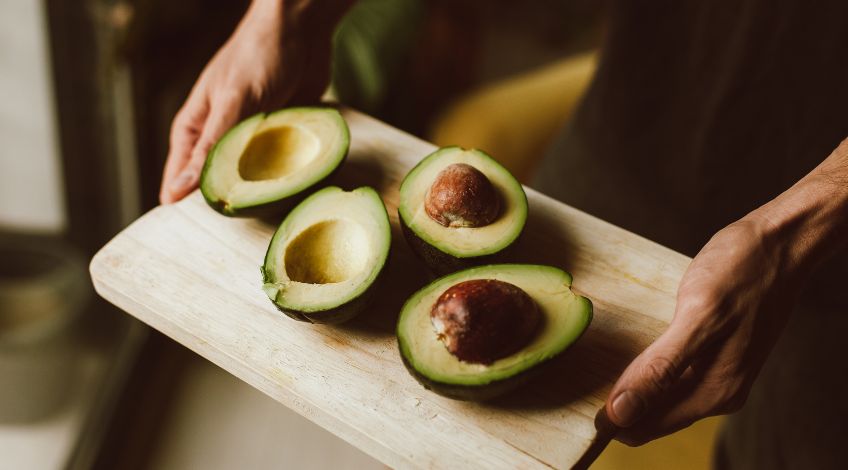
Consistency is key to success on the keto diet. Preparing meals in advance and stocking up on keto friendly staples like avocados, nuts, oils, cheese, and fatty fish can help you stick to your macros without hassle.
As well as giving you options for keto friendly snacks if you feel particularly hungry at any point in your day.
Finding The Right Keto Balance
The keto diet requires careful macro management, but it doesn’t have to be overly complicated. By prioritising high quality fats, controlling protein intake, and keeping carbohydrates low, you can optimise ketosis and achieve your health and weight loss goals. Whether through meticulous tracking or intuitive portioning, finding a sustainable method is the key to long term success.
If you’re ready to take control of your diet and experience the benefits of ketosis, start by calculating your macros and planning your meals accordingly. Whether you prefer digital tracking apps or a more intuitive approach, consistency is key. Take the first step today and make keto work for you!
Sharing Is Caring
If you’ve found this article helpful and informative, share it with your socials so more people can learn all about the importance of keto macros.
SEE ALSO: What Can (And Can’t) Go In An Air Fryer: Full Cheat Sheet
Also, follow us on Pinterest ...