Lead in Your Latte? These Cinnamon Powders Could Be Putting You at Risk
Cinnamon, it’s that comforting spice that warms our winter bakes, livens up our morning porridge, and adds a festive touch to our lattes. But recent investigations have uncovered a concerning issue, some ground cinnamon products contain raised levels of lead, a toxic heavy metal with serious health implications.
In this article, we’ll be looking into these worrying health concerns and advising you which types of cinnamon you should avoid. Keep reading to find out more.
How Does Lead Find Its Way Into Cinnamon?
Lead can contaminate cinnamon in various ways. The spice is often grown in regions where soil and water may be polluted due to industrial activities or the historical use of leaded petrol and pesticides.
In these cases, the lead is brought into the plant from the roots as they take up water. Plus, contamination can happen during processing if the equipment or the facilities are tainted with lead.
Worryingly, there have been cases where lead compounds were intentionally added to spices to enhance colour or weight, a practice known as food adulteration.
The Health Risks Of Exposure To Lead

No amount of lead is considered safe. It accumulates in the body over time, potentially leading to severe health issues. In children, lead exposure can impair cognitive development, cause behavioural problems, and result in learning difficulties.
Adults aren’t immune either; prolonged exposure can lead to kidney damage, high blood pressure, and reproductive issues . The World Health Organisation (WHO) estimated that almost one million lives were lost due to lead exposure in 2019.
They also claim that lead accounts for around 22 million years lost due to disability and death worldwide because of the long term effects of lead on health. Maybe the most concerning thing for us consumers is that there’s absolutely no way to remove lead from cinnamon (or any other spice or food) once it’s present.
Added to which there’s no way that lead absorption by the plant can be prevented if lead is present in the soil or groundwater. There is research currently ongoing looking into ways to produce lead free cinnamon and other spices, but these could be many years away from production.
Brands Under Investigation
A 2024 investigation by Consumer Reports tested 36 cinnamon products and found that 12 contained lead levels exceeding 1 part per million (ppm), a level that would trigger a recall in New York State.
Paras Cinnamon Powder had the highest lead content at 3.52 ppm, followed by EGN Cinnamon Powder at 2.91 ppm. Other brands identified included Mimi’s Products, Bowl & Basket, Rani Brand, Zara Foods, Three Rivers, Yu Yee Brand, BaiLiFeng, Spicy King, Badia, and Deep .
Safer Choices For Cinnamon Users
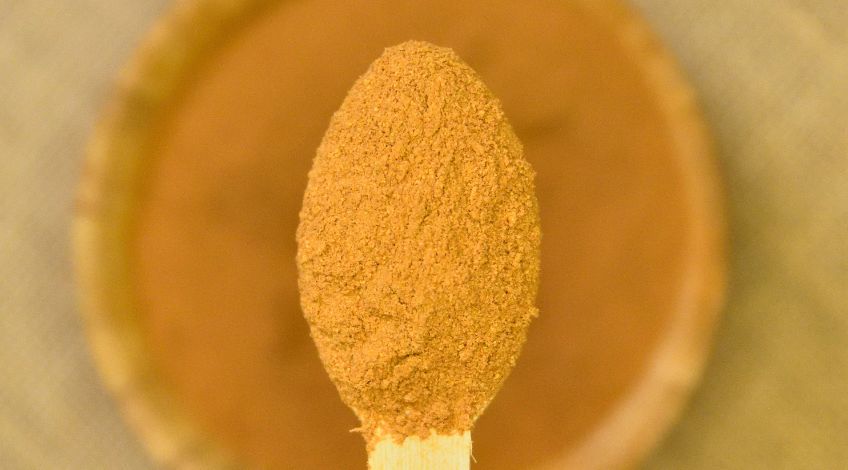
While the findings are pretty worrying, not all cinnamon products are as risky. The same study highlighted several brands with minimal lead content, such as 365 Whole Foods Market Ground Cinnamon, Loisa Organic Cinnamon, Morton & Bassett San Francisco 100% Organic Ground Cinnamon, and Sadaf Cinnamon Powder. These products contained lead levels well below the 1 ppm threshold .
The UK Perspective
As of now, the UK’s Food Standards Agency (FSA) has not issued specific warnings regarding lead in cinnamon. However, the agency advises consumers to purchase spices from reputable sources and to be cautious of unusually cheap products, which may indicate adulteration.
The problem is that cinnamon is grown and traded in many countries that don’t have strict consumer safety laws which is why it is recommended that you purchase cinnamon from a reliable source and never buy it according to the cheapness of the product.
Given the global nature of the spice trade, UK consumers should stay watchful and keep informed.
Coumarin, Another Compound To Consider
As well as lead, cinnamon contains a natural compound called coumarin, which, in high doses, can be harmful to the liver and kidneys. The European Food Safety Authority has set a tolerable daily intake (TDI) for coumarin at 0.1 mg per kilogram of body weight.
Cassia cinnamon, commonly found in supermarkets, has higher coumarin levels compared to Ceylon cinnamon, which is considered a much safer alternative.
Tips For Reducing Exposure
If you still want to get that great spicy taste of cinnamon in your cooking or coffee, here are a few tips to ensure your food safety. They include;
- Opt for whole cinnamon sticks
Grinding your own cinnamon can reduce the risk of contamination. - Choose Ceylon cinnamon
Often referred to as true cinnamon, Ceylon has lower levels of coumarin, a compound that can be harmful in large quantities. - Swap up your spice intake
Using a variety of spices can minimise the risk of accumulating toxins from a single source. - Stay informed
Regularly check for updates from food safety authorities and be cautious of products from unfamiliar brands.
What This Means For Your Kitchen Cupboard
Cinnamon remains a popular spice in many kitchens, but recent findings highlight the importance of being discerning about the products we use. By choosing reputable brands and staying informed, we can continue to enjoy the flavours and benefits of cinnamon without compromising our health.
Note: This article is based on findings from Consumer Reports and other reputable sources. For the most current information, consult the UK’s Food Standards Agency and other official health advisories.
SEE ALSO: Is Coffee With Chia Seeds Good For A Keto Diet?
Frequently Asked Questions
Lead can end up in cinnamon if the soil or water where it’s grown is contaminated, or if the spice is processed in facilities with poor safety standards. In some cases, lead has even been added intentionally to increase weight or enhance colour.
No, not all cinnamon contains dangerous levels of lead. However, some cheaper or imported brands have tested above safe limits. It’s important to check the source and buy from reputable suppliers.
Most cinnamon sold in the UK is safe, and there are no specific FSA warnings about lead in cinnamon at the moment. Still, it’s wise to avoid extremely cheap products and stick to trusted brands.
Also, follow us on Pinterest ...