
Microwave Sparks? Here’s What It Means (And When To Worry)
Picture this: you’re rushing to heat up the kids’ leftover pasta when suddenly your microwave starts putting on a fireworks display. Those sparks look properly terrifying, don’t they? Before you panic and think your kitchen appliance has turned into a science experiment gone wrong, take a deep breath. Most microwave sparks are actually quite common and often harmless. But knowing when to worry (and when to simply carry on) could save you from unnecessary stress and potentially expensive repairs.
Whether you’re a busy parent relying on your microwave for quick family meals or someone who’s never quite sure what’s normal when it comes to kitchen appliances, this guide will help you understand exactly what those sparks mean and what you should do about them.
Common Causes Of Microwave Sparks
Understanding why your microwave is sparking is the first step to solving the problem. Most causes are surprisingly simple and don’t require calling in the professionals.
Metal Objects And Utensils
The most obvious culprit for microwave sparks is metal. This includes obvious items like forks, spoons and aluminium foil, but also less obvious ones like twist ties on bread bags, staples in takeaway containers, or even the metallic trim on some plates and mugs.
When microwaves hit metal, they create electrical arcs that appear as sparks. It’s like a mini lightning storm inside your appliance! The good news is that removing the metal object usually stops the sparking immediately.
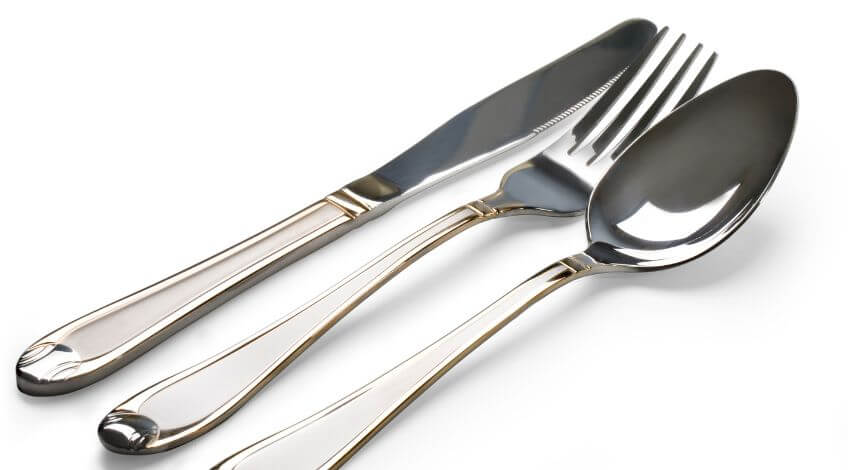
For busy parents, this is particularly important to watch for. Kids’ plates and cups sometimes have metallic decorations, and it’s easy to miss these details when you’re rushing through meal prep. Always do a quick check before popping anything in the microwave.
Food With High Mineral Content
Some foods naturally contain minerals that can cause sparking. Grapes are notorious for this, especially when cut in half. The minerals create tiny electrical charges that jump between the grape halves, creating sparks.
Root vegetables like carrots and potatoes can also spark if they’re particularly rich in minerals or if they have soil residue still clinging to them. This is more common with organic vegetables that haven’t been heavily processed.
Damaged Waveguide Cover
The waveguide cover is a small, usually rectangular piece of material (often mica or plastic) that covers the opening where microwaves enter the cooking chamber. If this gets damaged, dirty, or has food splattered on it, sparks can occur.
This component protects the magnetron (the part that generates microwaves) from food splatter and grease. When it’s compromised, the microwaves can create arcing, which appears as sparks.
Rack Or Turntable Issues
If your microwave has a metal rack (common in convection microwaves), it could be positioned incorrectly or have damage that’s causing sparks. The turntable itself, if cracked or damaged, can also create sparking issues.
Sometimes the problem is as simple as the rack not being properly seated in its designated spots, causing it to arc against the microwave walls.
When Microwave Sparks Are Harmless
Not every spark means disaster is looming. Understanding when sparks are relatively normal can save you from unnecessary worry.
Brief Sparks From Food
Quick, small sparks that happen occasionally when heating certain foods are usually nothing to worry about. This is particularly true for foods with varying densities or small amounts of minerals.
If you see a brief spark and then nothing else happens, and your food heats normally, you’re probably fine to continue using the microwave. Just keep an eye on things for the next few uses.
One Off Incidents
Sometimes sparks happen due to a one time issue like a tiny piece of foil you didn’t notice, or a bit of food residue in just the wrong spot. If you see sparks once, clean your microwave thoroughly, check for any obvious causes and see if the problem repeats.
Single incidents that don’t recur are rarely cause for concern, especially if your microwave continues to heat food properly and doesn’t make unusual noises.
Small Sparks During Normal Operation
Very small, infrequent sparks during normal operation can sometimes be normal, particularly in older microwaves. The key is that they should be small, brief and not accompanied by other symptoms like unusual smells, sounds or poor heating performance.
Warning Signs That Require Immediate Attention
Some sparking situations require you to stop using your microwave immediately and seek professional help or consider replacement.
Continuous Or Large Sparks
If sparks are large, bright, or continue for more than a second or two, stop the microwave immediately. Continuous sparking indicates a serious problem that could damage the appliance or potentially create a safety hazard.
Large sparks that persist even after removing any obvious metal objects suggest internal damage that needs professional attention.
Sparks Accompanied By Burning Smells
Any sparking combined with burning odours, especially electrical burning smells, means you should unplug the microwave and have it serviced. This combination often indicates damaged internal components.
The smell of burning plastic, wiring or an acrid electrical odour should never be ignored. These symptoms together suggest the sparking is causing actual damage inside the appliance.
Sparks With Poor Heating Performance
If your microwave is sparking and also not heating food properly, this indicates a more serious problem. The magnetron or other critical components may be failing.
Poor heating combined with sparks often means the microwave’s days are numbered, and continuing to use it could be unsafe.
Repeated Sparking In The Same Location
If sparks consistently occur in the same spot inside the microwave, even after thorough cleaning and removing any obvious causes, there’s likely internal damage to the microwave cavity or components.
This type of consistent, localised sparking usually requires professional repair or replacement of the appliance.
As Always, Prevention Is Better Than Cure
Preventing sparks is easier than dealing with them, especially when you’re juggling family life and need your microwave to work reliably.
Double Check Everything Before Heating
Get into the habit of quickly scanning items before putting them in the microwave. This becomes second nature after a while and takes just a few seconds.
Check plates and mugs for metallic decorations, remove twist ties from bags, and ensure there’s no foil anywhere on or in your food containers.
Teach Children Microwave Safety
If your kids are old enough to use the microwave, teach them about metal objects and what to look for. Make it a game to spot potential problems before heating food.
Create a simple checklist they can follow: no metal, no foil, a clean container and always use a microwave safe dish.
Regular Cleaning Schedule
Establish a weekly cleaning routine for your microwave. This prevents food buildup that can cause sparking and keeps the appliance working efficiently.
A simple wipe down after messy foods and a thorough clean once a week will prevent most spark causing buildup issues.
Use Microwave Safe Containers Only
Invest in clearly marked microwave safe containers and dishes. This eliminates guesswork and reduces the risk of using something that might cause sparking.
Glass and ceramic containers are generally safe choices, as are containers specifically labelled as microwave safe plastic.
When To Call A Professional Or Replace
Sometimes the most sensible solution is admitting your microwave needs professional attention or replacement.
Age Of The Appliance
If your microwave is over 10 years old and sparking frequently, replacement might be more cost effective than repair. Modern microwaves are more energy efficient and often have better safety features.
Consider the cost of repair versus replacement, especially if other issues like poor heating or unusual noises accompany the sparking.
Repeated Problems After Cleaning
If thorough cleaning and following all troubleshooting steps doesn’t solve the sparking issue, it’s time for professional help. Persistent problems usually indicate internal damage.
Don’t continue using a microwave that sparks repeatedly, even if it seems to heat food normally. The problem will likely worsen over time.
Safety Concerns With Family Use
If you have young children who use the microwave, err on the side of caution. A sparking appliance, even if seemingly minor, poses risks in households where kids might not recognise warning signs.
Your family’s safety is worth more than the cost of a service call or new appliance.
Your Microwave Doesn’t Have To Be A Mystery
Microwave sparks might look dramatic, but they’re usually telling you something simple: there’s metal where it shouldn’t be, or your appliance needs a good clean. For busy families relying on quick meal solutions, understanding these basics can save time, money and stress.
The key is knowing when to take action yourself (remove that forgotten spoon!) and when to step back and seek help (persistent sparking with burning smells). Most sparking issues are easily resolved with a bit of detective work and elbow grease.
Remember, your microwave is a helpful kitchen companion that wants to work properly. A little attention and care will keep it spark free and heating your family’s meals safely for years to come. When in doubt, always prioritise safety over convenience.
If you found this helpful, share it with your friends on Facebook or WhatsApp!
SEE ALSO: Your Fridge Smells Weird? This Vanilla Trick Fixes It Instantly
Also, follow us on Pinterest ...