Reheating These 7 Leftovers? The Health Risks Aren’t Worth It!
It is tempting to warm up last night’s dinner for a quick bite but reheating some leftovers can carry unexpected health risks. Certain foods are more likely to cause problems when stored or reheated improperly.
From the growth of harmful bacteria to changes in chemical compounds, these everyday dishes can go from safe to risky faster than you might think.
If any of these meals are sitting in your fridge, it might be best to think twice before reheating them.
1. Leftover Rice Dishes Like Curry Takeaway or Egg Fried Rice
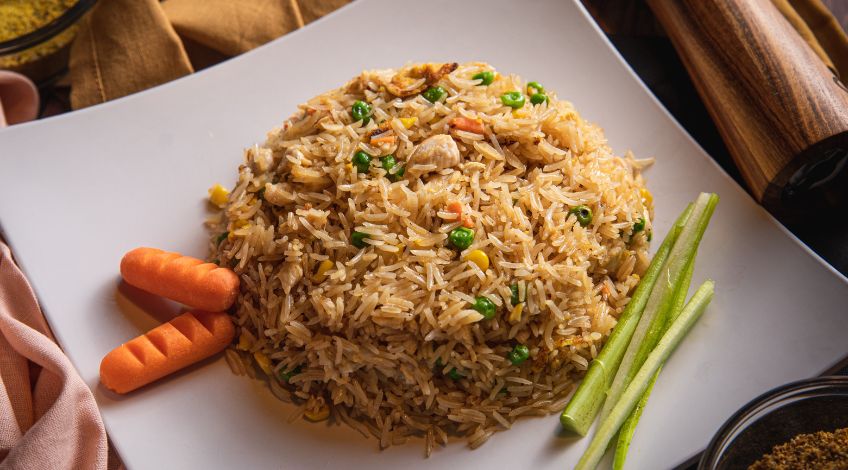
A Friday night curry or Chinese takeaway often tastes even better the next day but rice dishes carry a hidden danger.
When cooked rice is left at room temperature for too long it can grow Bacillus cereus, a bacteria that releases toxins that cause vomiting or diarrhoea. These toxins are heat resistant and will not be removed by reheating.
To stay safe, cool rice within one hour and place it in the fridge as soon as possible. If you reheat it, make sure it is steaming hot all the way through and never reheat rice more than once.
2. Shepherd’s Pie and Other Mince Based Dishes
British favourites like shepherd’s pie and spaghetti bolognese are often saved for lunch the next day. But minced meat dishes can be dense and hold onto cold spots even after reheating. That means parts of the meal may not reach the necessary temperature to kill bacteria like salmonella or listeria.
To reheat safely, check that the middle reaches at least 75 degrees Celsius. And avoid reheating the same meal more than once to prevent the risk from building up.
3. Roast Potatoes or Jacket Spuds
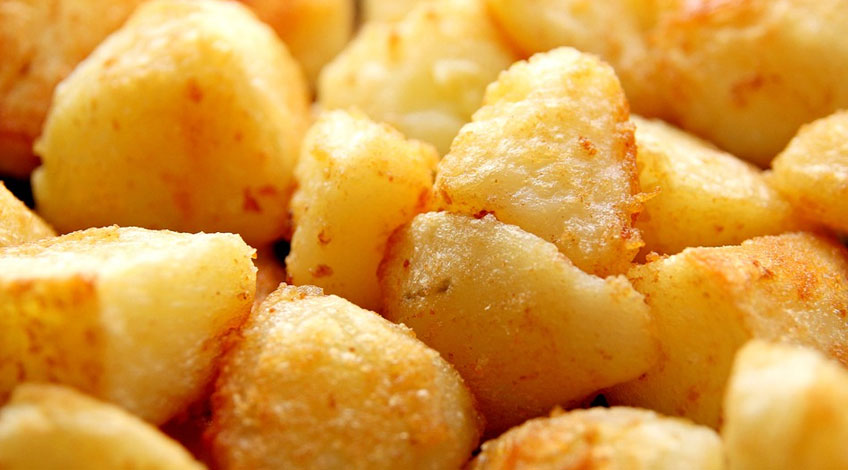
Leftover roast potatoes or foil wrapped jacket potatoes can pose a serious risk if not stored correctly.
When cooked potatoes are left at room temperature or stored in foil they can become an ideal place for Clostridium botulinum bacteria. This bacteria can release a powerful toxin that causes botulism, a rare but dangerous illness.
To keep potatoes safe, remove any foil, cool them quickly, and place them in the fridge within one hour. Reheat thoroughly until piping hot before eating.
4. Cooked Leafy Greens Like Spinach or Kale
Greens are good for you but some such as spinach, kale, and chard are naturally high in nitrates. These compounds can turn into nitrites when heated a second time and under certain conditions form nitrosamines, which have been linked to cancer in long term studies.
While adults would need to consume large amounts to see an effect, infants under six months are more vulnerable and should not be given reheated nitrate rich foods.
It is best to serve these greens fresh or cooked and eaten right away. If you do store them, reheat them only once and ensure the dish is piping hot.
5. English Breakfast Leftovers Including Eggs Sausages and Mushrooms
A fry up rarely goes to waste but reheating eggs and sausages is not always the safest option. Scrambled or fried eggs can dry out quickly and if stored too long may allow bacteria like salmonella to develop.
Sausages and cooked mushrooms should only be reheated if they were cooled and stored promptly after the original meal.
Make sure the reheated food is hot throughout and avoid reheating more than once. For a safer option, consider eating these cold or fresh instead.
6. Pasta Bakes, Lasagne and Creamy Cheese Sauces
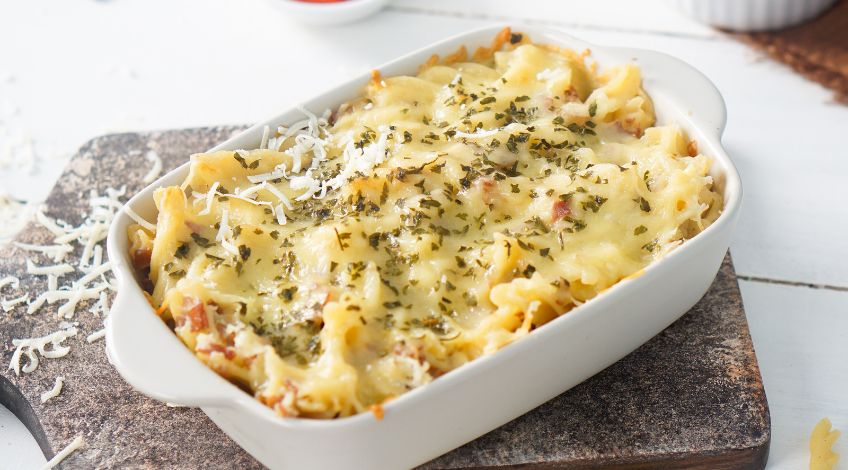
Comfort foods like macaroni cheese, lasagne or pasta bakes are often packed with dairy and reheating them can be tricky.
Milk and cream based sauces spoil quickly and can allow the growth of Staphylococcus aureus, a bacteria that produces heat stable toxins. These toxins are not removed by heating and can lead to symptoms such as nausea and cramps.
Only reheat creamy dishes once and be sure they are bubbling hot all the way through before eating. If the dish smells sour or looks separated, it is safest to throw it out.
7. Seafood Based Dishes Like Fish Pie or Prawn Pasta
Seafood spoils faster than most other ingredients and that makes leftovers like prawn curry or fish pie more of a risk. Even in the fridge, bacteria can grow on fish or shellfish and microwaving does not always kill all bacteria if the dish heats unevenly.
If seafood smells overly strong or sour, it is safest not to eat it. Leftovers should be chilled within an hour of cooking and eaten within one day.
Always reheat until steaming throughout and never reheat seafood more than once.
Safer Leftovers Start with Smart Storage
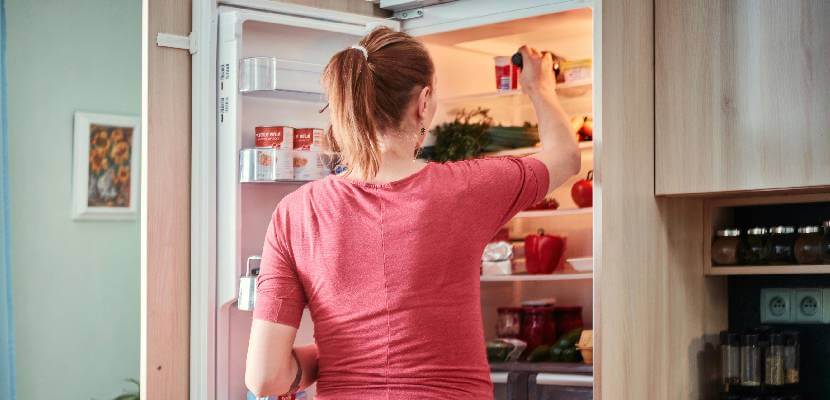
Leftovers are a great way to reduce waste but they must be handled properly to stay safe. The biggest risks come from leaving food out too long, cooling it too slowly or reheating it unevenly.
Stick to the two hour rule, store meals in the fridge promptly and only reheat once. When in doubt, it is better to bin it than risk food poisoning.
Help Others Avoid These Reheating Mistakes!
When life gets hectic, reheating leftovers can seem like the easy answer but some carry health risks. Share this info to help others make informed, safer choices at mealtimes.
SEE ALSO: What Can Not Go In A Microwave?
Also, follow us on Pinterest ...