Say Goodbye to Freezer Burn With This Simple Trick
The freezer is a great place to store food. Having a freezer allows you to buy large quantities of food when it’s on offer and storing them for long periods. It also means that ready meals and other pre prepared foods can be defrosted and cooked at a moment’s notice.
The problem is that sometimes that bulk purchase has been affected by the dreaded freezer burn. In this article we’ll be looking into freezer burn and explaining what it is and how to prevent it.
Have you ever pulled a steak out of the freezer only to find it covered in frost and tasting like cardboard? That’s freezer burn, and we’re here to make sure it never happens again.
Key Takeaways
Quick tips to prevent freezer burn;
- Keep the freezer at or below -18°C (0°F)
- Use airtight containers or vacuum sealers
- Avoid overfilling the freezer
- Label each item with the date frozen and use within a suitable time frame
What Is Freezer Burn?
The first visible clue to freezer burn is that layer of ice on the surface of frozen food. But that ice isn’t the cause of freezer burn, it’s just one of the symptoms.
The ice crystals are produced by the food and occur when there’s warm air next to the food. As the food starts to freeze any moisture in that food escapes and then freezes on the surface of the food.
This in turn, dries the food out and makes it less appetising than it should be.
How To Prevent Freezer Burn
Now that we know that freezer burn happens when there’s warm air next to the product you’re trying to freeze, we can do something to prevent it from happening. There are two main actions that you need to take to prevent freezer burn from occurring. Which are;
- Keep Temperatures Consistently Cold
- Keep Air Out
This helps freeze the food quickly and prevent ice forming on the surface of the food which leads to freezer burn.
Can You Eat Food That Has Freezer Burn?
Food that has freezer burn is still edible but it won’t be as nice as it should be. Freezer burn is caused by moisture loss which can lead to dry food with a leathery texture, less flavour and discolouration.
So while the food is safe to eat, the quality is seriously impacted making it far less appetising.
How To Ensure That Your Food Doesn’t Get Freezer Burn

There are a few steps you need to take in order to prevent your food suffering from freezer burn in the freezer. They include;
1. Ensure That Your Freezer Is Set At The Correct Temperature
Check the temperature of your freezer using a thermometer to make sure that it’s below freezing. Depending on the make and model freezer you own, your freezer should be set at “Cold” “low” or -18oC (0oF).
2. Make Sure Food To Be Frozen Is Chilled First
If you place hot or warm food into the freezer it increases the internal temperature of the freezer. This not only affects the food you’re trying to freeze.
It also affects any food already frozen that the warm food comes into contact with. Which could mean it’s not just the warm food that gets damaged.
If any food in the freezer gets too warm, it could end up with freezer burn damage. Foods should be refrigerated for at least one or two hours before placing them in the freezer.
3. Freeze Food In Small Quantities
If you place too much food in the freezer at the same time, it will increase the temperature. This slows down the freezing process and can lead to freezer burn.
What you should do is place a few items in the freezer at a time so as not to affect the freezer’s temperature too much.
4. Refrain From Overfilling Your Freezer
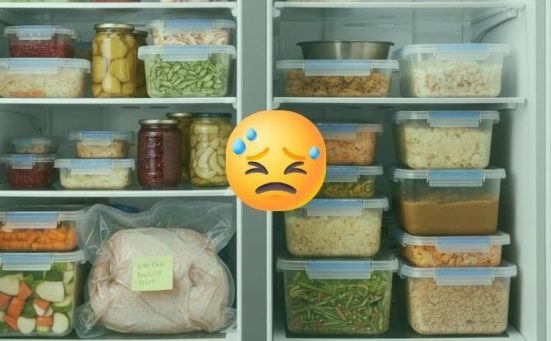
Food that’s already frozen is like ice in a coolbox and helps to chill additional items placed inside the freezer. However, if the freezer is crammed too full of food, it prevents cold air from circulating correctly and can lead to warm pockets.
To work efficiently, your freezer should be around ¾ full. It will work even better if you have freezer shelves which allow air to circulate freely.
5. Store Your Food In Freezer Safe Containers
Your food should be stored in either plastic or glass containers or freezer bags. But if you do use bags, make sure that they’re actual freezer bags and not just storage bags.
Storage bags are made from a thinner plastic and are not designed for use in the freezer. When placing items in the freezer, don’t forget to mark them with the date frozen (see below).
6. Remove All Of The Air
When you’re using freezer bags you need to remove as much air as possible before freezing the food. If you have a vacuum storage system it is the best way to ensure that all of the air is removed.
This means there will be less chance of freezer burn occurring.
7. Add An Extra Layer Of Protection
Before placing your food items into freezer safe containers or freezer bags, wrap the food tightly in cling film (plastic wrap) or aluminium foil to give an extra layer of protection. However, don’t use cling film or foil on its own.
It should only be used in conjunction with freezer safe containers. Cling film and foil are not enough protection from freezer burn on their own.
8. Clean Your Freezer Regularly
You should organise your freezer in such a way that you can find food quickly without leaving the door open for too long. The longer the door is open the more warm air you’re letting into the freezer which can cause damage to food.
9. Keep On Top Of Frozen Items
Freezing food doesn’t mean it’s going to last forever, not even if it has been frozen correctly. Even well wrapped, chilled first food has an expiry date.
Which is why it’s vitally important that you mark each item with the date it was frozen. Food can safely be stored in a freezer for an average of around nine months, after that it should be discarded.
How Long Does Food Last In The Freezer?
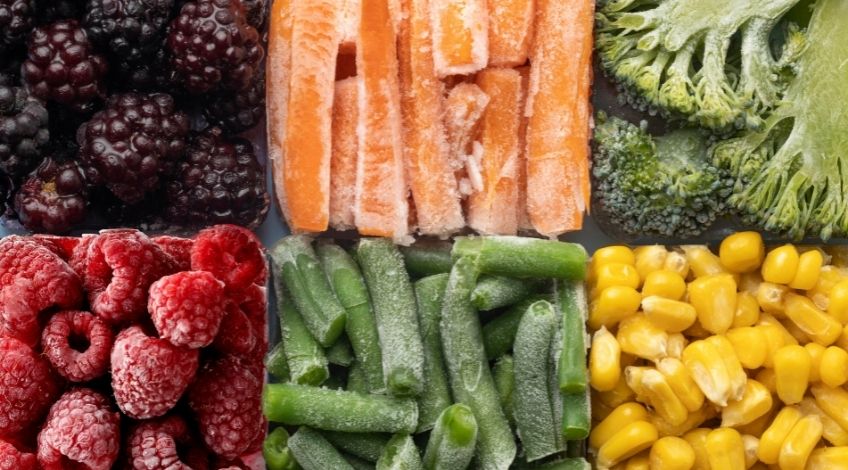
Now that you know how to prevent freezer burn in your frozen food, let’s finish up with a brief guide to how long foods should be kept in the freezer to remain at their best.
| Food | Number Of Months |
|---|---|
| Raw bacon | 1 month |
| Raw Steak | 6 to 12 months |
| Raw Pork Chops | 4 to 6 months |
| Raw Chicken | 9 months |
| Cooked Chicken | 4 months |
| Whole Chicken | 12 months |
| Cooked Fish | 4 to 6 months |
| Raw Fish | 3 to 8 months |
| Ice Cream | 2 months |
| Cheese | 6 months |
| Soups & Stews | 2 to 3 months |
| Casseroles | 2 to 3 months |
| Butter | 6 to 9 months |
| Cooked Pies | 1 to 2 months |
| Vegetables | 8 months |
| Cheesecake | 2 to 3 months |
| Bread | 3 to 6 months |
| Baked Cookies | 8 to 12 months |
How To Safely Defrost Frozen Foods
When you want to use those frozen food items, you need to defrost them safely. There are three safe methods that can be used to defrost frozen foods which are;
1. Defrosting Frozen Foods In The Fridge
This is the safest and least bothersome method of defrosting frozen food. However, it also takes the longest time. For instance, minced beef takes around 8 hours to defrost whereas joints of meat take around 3 to 5 hours per pound of meat. Larger joints need around 5 to 7 hours per pound of meat whereas a whole turkey can take around 24 hours for every 4 to 5 pounds of weight.
2. Defrosting Frozen Foods In Cold Water
This method is far quicker but does require more attention. You will need to place the frozen item in a watertight plastic storage bag and place the bag in a bowl of cold water.
The water needs to be changed every 30 minutes until the food is fully defrosted.
3. Defrosting Frozen Food In The Microwave
Defrosting in the microwave is only good for last minute defrosting of small items of food. The food should be unwrapped and placed in a microwave safe dish. Set the microwave to defrost and cook the food as soon as it is defrosted.
Keep Your Freezer Your Friend, Not A Food Foe
Freezer burn doesn’t have to be an inevitable part of freezing food. With just a few simple habits, like sealing properly, cooling food before freezing, and keeping temperatures steady, you can ensure your frozen items stay fresh, flavourful, and safe to eat.
By taking a little extra care now, you’ll save money, reduce waste, and enjoy tastier meals later. So the next time you stock up on groceries, freeze smart, and say goodbye to freezer burn for good.
If you found this interesting or useful, share it with your socials so that all of your friends can benefit from preventing freezer burn.
SEE ALSO: If you see ice at the bottom of your freezer, don’t ignore it
Frequently Asked Questions
Freezer burn happens when frozen food is exposed to air, causing moisture to escape and form ice crystals. This dries out the food and affects its texture, taste, and appearance.
Yes, food with freezer burn is safe to eat, but it may be dry, discoloured, and have a tough texture or bland taste.
To prevent freezer burn, you should use airtight, freezer safe containers or bags, remove excess air before freezing, keep your freezer below -18°C (0°F), and avoid overfilling it to ensure proper air circulation.
Also, follow us on Pinterest ...