If you see ice at the bottom of your freezer, don’t ignore it
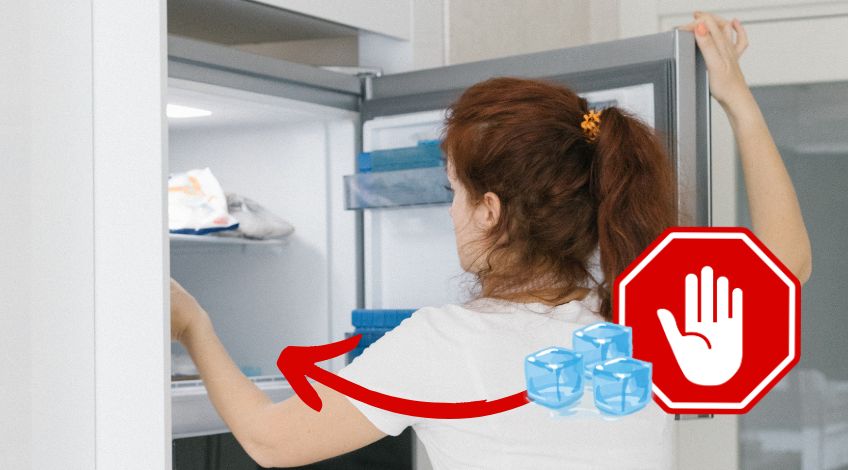
Imagine this: you’re grabbing some ice cream from your freezer, but instead of sweet satisfaction, you’re met with a frosty surprise, a layer of ice at the bottom. Sounds harmless, right? Wrong. That sneaky ice patch could mean your freezer’s secretly crying for help.
It’s not that uncommon to see ice forming at the bottom of the freezer but it often indicates that there’s a problem that needs dealing with.
If you don’t handle it, things could spiral into higher energy bills or a spoiled food drama. Let’s get to the bottom of it (pun intended) and sort this out before it’s too late.
The Risks Of Ignoring Ice At The Bottom Of Your Freezer
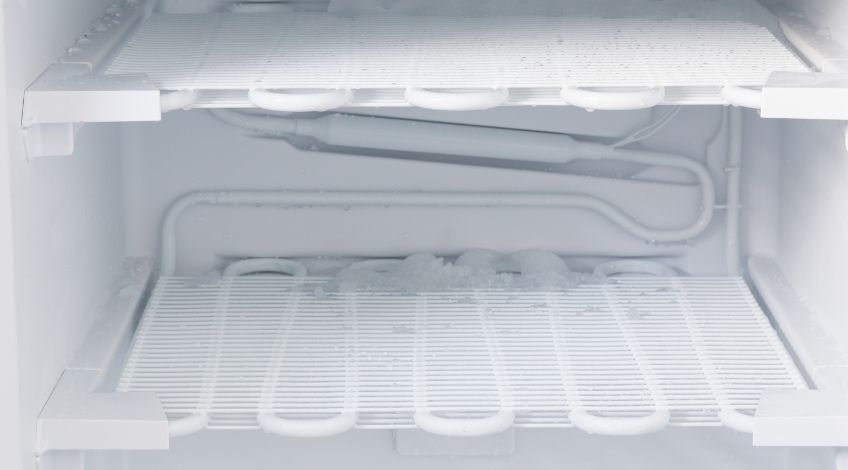
When you spot ice forming at the bottom of your freezer, it might seem like just a minor annoyance, but it’s actually a warning signal that shouldn’t be ignored. Here’s why:
- Increased Energy Consumption
Ice buildup can force your freezer to work harder than it needs to, leading to increased energy consumption. This not only raises your electricity bills but also puts unnecessary strain on the environment. - Risk to Food Safety
As ice accumulates, it can affect the freezer’s ability to maintain a consistent temperature. Fluctuations in temperature can lead to food spoiling faster or not being stored safely, which increases the risk of foodborne illnesses. - Potential Damage To Your Freezer
Ignoring the ice buildup can lead to long-term damage to your freezer. The ice can interfere with the normal operation of the freezer’s components, like the evaporator fan or the defrost system, potentially leading to costly repairs or the need for a premature replacement. - Efficiency Loss
The more ice that accumulates, the less space there is for storing food. Plus, your freezer has to run longer cycles, decreasing its overall efficiency and lifespan.
Why Would There Be Ice At The Bottom Of The Freezer?
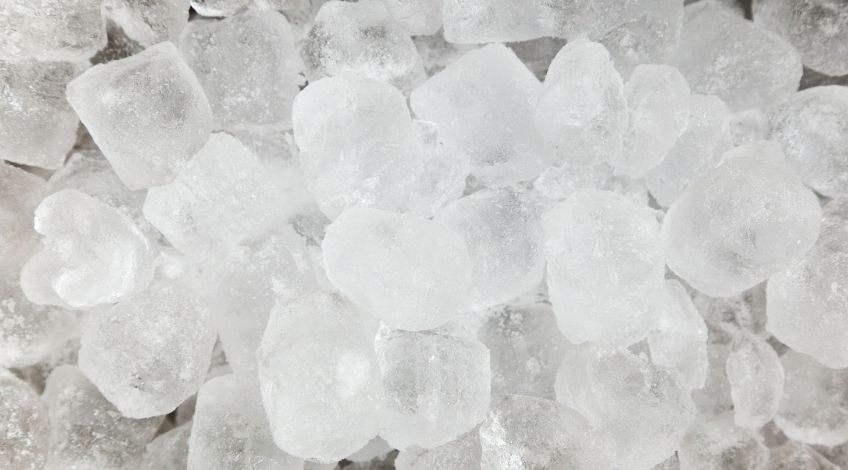
There are loads of reasons why ice might be found at the bottom of the freezer. Some are serious while others can often be solved without the need for an engineer. They include;
Too Close To A Heat Source
If your freezer lives next to a heat source, it could be a radiator, the oven, or even direct sunlight, it’s working overtime. And guess what? That extra effort often leads to ice buildup.
You need to move it to a cooler spot if you can. Freezers are happiest in rooms that stay between 10 to 38°C. If you can’t relocate it, make sure it’s ventilated and not hugging the walls too closely.
The Drama Of The Freezer Door
Your freezer door might be causing more chaos than you think. If it’s not sealing properly, cold air escapes, warm air sneaks in, and voilà, you get an ice party at the bottom.
Check if the door is closing all the way. Feel a cool draft? Your door seal might need replacing. Run your hand along the edges to check for leaks, it’s like finding a dodgy draught in a window. No DIY vibes? You can get seals replaced easily.
The Freezer Door Is Opened One Time Too Many
If your kitchen is warm and humid, every time you open the freezer door you could be allowing ice to build up. While the door is open all that warm air from the kitchen rushes in and starts melting ice.
Obviously the melted ice falls to the lowest point (thanks gravity!) and then eventually refreezes. You need to get into the habit of getting everything you need from the freezer in one go. Don’t keep opening the freezer door for just one more item, that’s a one way ticket to ice buildup.
Don’t Put Hot Food In The Freezer
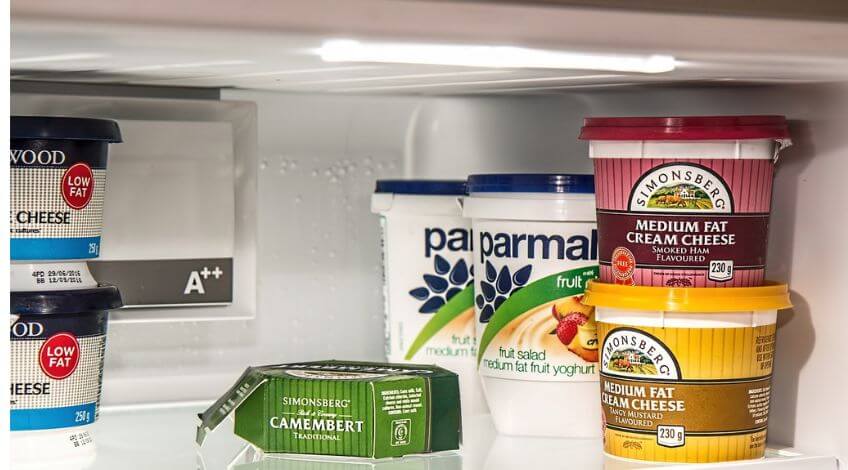
We’ve all done it: chucked hot leftovers straight into the freezer because who’s got time to wait? But warm food raises the freezer’s humidity, leading to, you guessed it, more ice.
You need to always let your food cool completely before freezing it. Your freezer will thank you (and so will your energy bill).
Dust Central
Here’s a sneaky culprit: the back of your freezer. If it’s covered in dust and grime, the appliance struggles to regulate its temperature, and ice starts forming where it shouldn’t.
To prevent this, give the back a quick vacuum every six months. It’s an oddly satisfying chore and keeps things running smoothly. Just don’t pull off any panels, we’re cleaning, not rewiring.
Blocked Vents
Your freezer needs to have air circulating at all times to keep it running properly. If you have too much food in the freezer so that the vents get blocked, it could lead to a disaster.
Make sure the vents in your freezer are clear by spreading the food around as much as you can.
Ice Maker Mischief
If your freezer has an ice maker, it could be the source of the problem. A dodgy flap in the ice maker lets warm air sneak in, which allows more ice to build up at the bottom.
Check your ice maker for any blockages or ice stuck in the flap. Clear it out and make sure it’s sealing properly. No one wants an ice maker causing more mess than it’s worth.
Is It Time To Defrost?
Sometimes, your freezer just needs a good defrost. A thick layer of ice can block vents, stop the door from sealing, and basically make your appliance useless.
How To Defrost Your Freezer Like A Pro

To prevent ice buildup in your freezer all you need to do is;
- Empty the freezer (and find a spot for all your frozen goodies).
- Unplug it, safety first, yeah?
- Lay down towels to catch the water. It’s going to get melty.
- Speed it up with bowls of hot water inside or a hairdryer (but don’t fry your freezer, keep it on low and moving).
- Wipe everything down, dry it out, and plug it back in.
- Restock your food and admire your handiwork.
Bonus Tip: Hidden Ice Behind The Panel
If you’ve done all this and still find ice lurking, it might be hiding behind the back panel. That’s where the drainage tube is, and if it’s clogged, water can’t escape and turns into ice.
You will need to remove the inside back panel carefully. Check the drainage tube, a pipe cleaner or warm water can work wonders. Or you could get that hairdryer working again.
But don’t get heavy handed; those plastic bits are fragile. If you’re not sure about getting into areas with easily breakable parts, you could leave the freezer off for 24 hours to allow all of the ice to melt naturally.
But, honestly, who has time for that? Plus, what would you do with all your frozen food for 24 hours?
If after you’ve done all of the above, you’re still getting ice forming at the bottom of your freezer, it’s time to contact the manufacturer to get their take on things. If it’s out of warranty you might do better calling a technician.
Share Your Ice Escapades
Ever had an ice build up horror story? Maybe your freezer turned into an igloo overnight, or you found a year old lasagna under the frost.
Share your tales in the comments! And don’t forget to pass this on to anyone whose freezer is definitely hiding a frozen surprise. Let’s banish the bottom of the freezer ice for good!
SEE ALSO: Are You Washing Your Clothes Too Often? The Answer Might Shock You!
Also, follow us on Pinterest ...