6 Things You Should Never Store Above Your Fridge
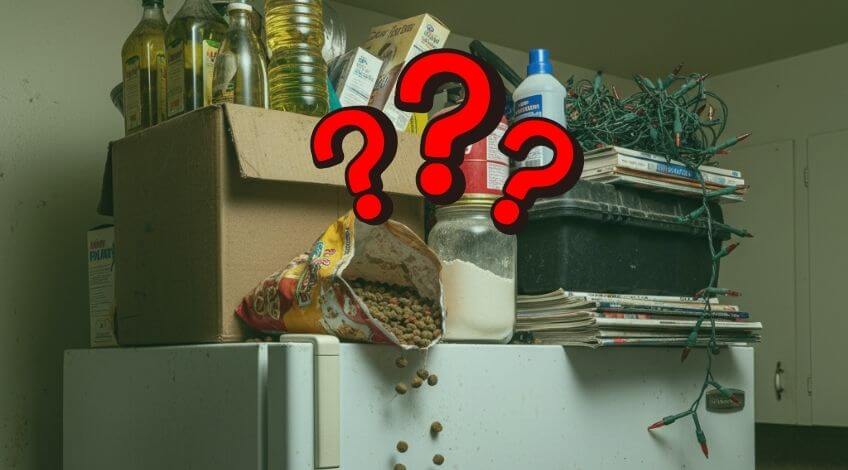
Your fridge works hard to keep your food fresh and safe, but did you know that the space above it could be putting your kitchen at serious risk?
Whether you’re concerned about fire safety, food spoilage, or just keeping your family protected, understanding what NOT to store above your fridge is crucial. That warm, often forgotten spot might seem like convenient storage, but it’s actually one of the worst places in your kitchen for certain items. Let’s look at what you need to move right now.
Why The Space Above Your Fridge Is Problematic
Before we get into the specifics, you need to understand why this particular spot is so dodgy. Your fridge generates heat through its cooling coils, which means the space directly above it can get surprisingly warm. We’re talking temperatures that can reach 30°C or higher, especially if your fridge is working overtime.
This heat doesn’t just disappear. It rises straight up into that cupboard or shelf above, creating an environment that’s essentially like a slow cooker for whatever you’ve stored there. Add poor air circulation into the mix, and you’ve got the perfect recipe for problems.
For anyone trying to reduce fire and food safety risks in their home, this area deserves your immediate attention. The warmth, combined with dust accumulation and limited ventilation, creates conditions that can compromise both the safety and quality of stored items.
Items You Should Never Store Above Your Fridge
Here’s the thing: not everything belongs in that warm, tucked away space above your fridge. Some items can spoil faster, lose their effectiveness or even become dangerous when exposed to constant heat. Let’s break down exactly what needs to find a new home in your kitchen.
#1: Cooking Oils And Fats
Ever opened a bottle of olive oil and noticed it smells a bit off? If you’ve been storing it above the fridge, that’s probably why.
The constant warmth speeds up oxidation, which means your oils go rancid much faster than they should. Rancid oil doesn’t just taste awful. It can actually be harmful to your health. When oils break down, they produce harmful compounds that have been linked to various health issues. Plus, you’re essentially wasting money watching your expensive extra virgin olive oil turn into something you wouldn’t want to use on a salad.
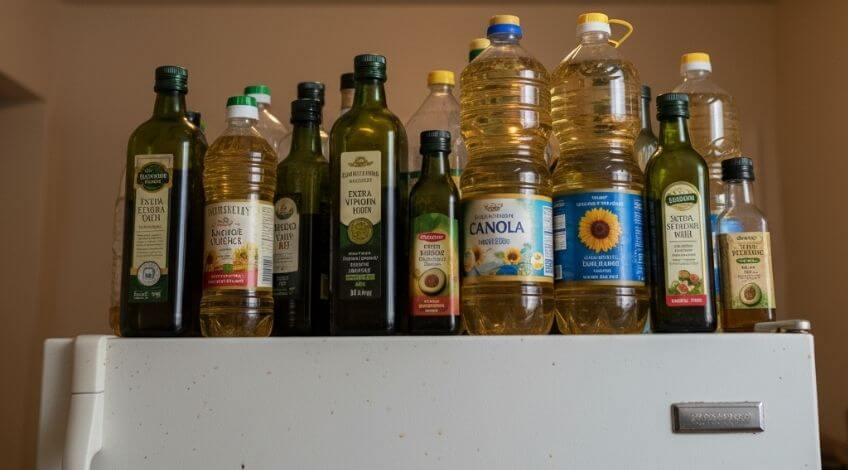
Think about it: you spend good money on quality cooking oils, only to have them spoil before you’ve even used half the bottle. The heat from your fridge is literally cooking your oils without you realising it.
Keep your oils in a cool, dark cupboard away from any heat sources. Your taste buds (and your wallet) will thank you!
#2: Medications And Vitamins
This one catches a lot of people out. That convenient cupboard above the fridge seems perfect for keeping medicines out of reach of children, but it’s actually one of the worst spots in your kitchen.
Heat degrades medications and vitamins surprisingly quickly. Those antibiotics, pain relievers, or daily supplements you’re taking? They could be losing their effectiveness without you even knowing it. The warm environment breaks down the active ingredients, which means you might not be getting the proper dose you think you are.
Most medications should be stored at room temperature, which typically means below 25°C. The space above your fridge can easily exceed this, especially during summer months or if your fridge is working hard.
Store medications in a cool, dry place like a bedroom drawer or a dedicated medicine cabinet in a hallway. Just make sure it’s still secure and out of reach of young children!
#3: Bread And Baked Goods
It might seem logical to stash that loaf of bread above the fridge to keep it out of the way, but you’re actually creating the perfect environment for mould growth.
The warmth and humidity that rises from your fridge creates conditions that bread mould absolutely loves. You’ll notice your loaf going fuzzy and green much faster than it would in a proper bread bin. This isn’t just unpleasant. Some bread moulds can produce mycotoxins that pose health risks if consumed.
Bread is best kept in a bread bin at room temperature, or in the freezer if you want to extend its life. The space above your fridge? That’s practically a mould incubator!
#4: Alcohol And Wine
Wine collectors would be horrified at the thought of storing bottles above the fridge, and for good reason. The fluctuating temperatures and warmth can absolutely ruin even a decent bottle of plonk.
Heat causes wine to age prematurely and can even cause the cork to expand and contract, potentially letting air in and spoiling the wine. Beer and spirits aren’t immune either. The warm environment can alter flavours and reduce the quality of your drinks.
If you’re keeping alcohol above the fridge, you’re essentially cooking it slowly. That special bottle you were saving? It might already be past its best. Store wine in a cool, dark place with consistent temperature. A dedicated wine rack in a cupboard or even under the stairs is far better than that toasty spot above your fridge.
#5: Flammable Items And Cleaning Products
This is where fire safety becomes a serious concern. Many people store cleaning products, aerosols or other household chemicals above the fridge without thinking twice. This is genuinely dangerous.
Aerosol cans in particular, are a major hazard. The heat from your fridge can cause pressure to build up inside the can, potentially leading to explosions or leaks. Cleaning products that contain flammable ingredients can become more volatile when exposed to heat.
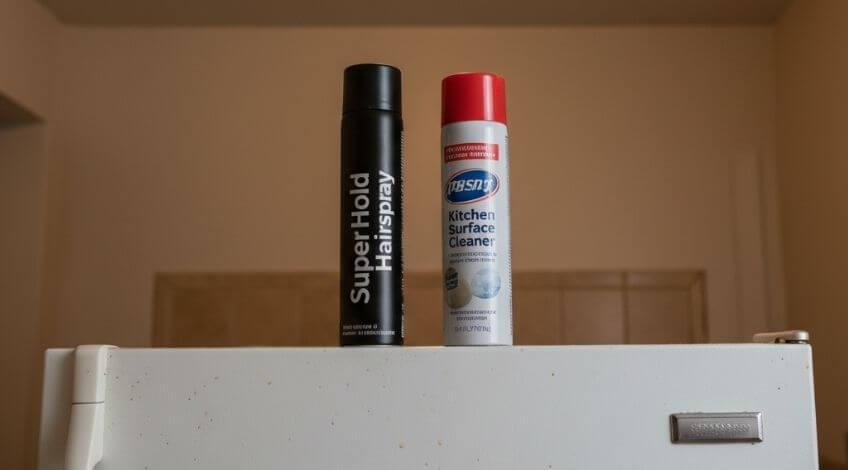
You’re also dealing with poor ventilation in that enclosed space. If any product does leak or release fumes, they’re trapped in a warm, enclosed environment right above an appliance that generates heat. It doesn’t take much imagination to see why this is a problem.
Store cleaning products in a cool, well ventilated area, preferably at floor level where it’s naturally cooler. If you have children, invest in a proper locked cupboard for hazardous materials.
#6: Chocolate And Confectionery
Chocolate lovers, this one’s for you. Storing chocolate above the fridge is a guaranteed way to ruin it. The warmth causes chocolate to bloom, developing that white, chalky appearance on the surface.
Bloomed chocolate is technically safe to eat, but it’s lost its temper (that’s the technical term for chocolate’s crystalline structure). The texture becomes grainy, the taste is off, and it won’t melt properly if you’re baking with it.
The same goes for sweets, particularly gummies or anything with a coating. The heat can cause them to melt together into one giant sticky mess. Keep your treats in a cool, dry cupboard, or in the fridge itself if you prefer your chocolate chilled.
What You CAN Store Above Your Fridge
Now that we’ve covered what to avoid, you might be wondering what’s actually safe to store in that space. The good news is there are plenty of options!
Infrequently used kitchen gadgets that aren’t sensitive to heat work well. Things like serving platters, large mixing bowls, or that bread maker you use twice a year are all fine. Cookbooks and recipe binders can handle the warmth without any problems. Kitchen linens like tea towels or oven gloves are also perfectly safe.
The key is choosing items that won’t be damaged by warmth, won’t pose a safety risk, and that you don’t need to access regularly. Think of it as long term storage for heat resistant items rather than a pantry extension.
Keep Your Kitchen Safe And Your Food Fresh
Understanding what not to store above your fridge isn’t just about following rules. It’s about protecting your family’s health, preventing potential fire hazards and not wasting money on spoiled food and damaged goods.
Take a few minutes today to check what’s lurking in that space above your fridge. Move those oils to a proper cupboard, relocate your medications and find a better home for your cleaning products. These simple changes can significantly reduce risks in your kitchen while keeping your food and household items in better condition.
Your future self (and your family) will appreciate the effort you’ve put into making your kitchen a safer space!
Found this helpful? Share it with your friends on Facebook so they can check their kitchens too!
SEE ALSO: The Easiest Way To Organise Baking Trays (No More Cupboard Avalanche!)
Also, follow us on Pinterest ...