Stop Overpaying For Beef! Learn What Each Grade Actually Gets You
You’ve been there. Standing at the meat counter, two identical looking steaks in front of you. One’s £8, the other’s £18. Same size, same cut. What’s the difference? More importantly, is that extra tenner actually worth it?
The answer isn’t what most people think. Sometimes you’re paying for real quality differences that’ll transform your dinner. Other times you’re just paying for a fancy label when a cheaper cut would taste exactly the same.
Here’s how to tell the difference and stop wasting money on beef that doesn’t deserve the premium price.
How Beef Grading Actually Works
The USDA grades beef based on two main factors: the amount of marbling (those white streaks of fat running through the meat) and the age of the cattle when slaughtered.
Marbling is what gives beef its rich flavour and keeps it moist during cooking. Think of it as nature’s built in basting system that melts during cooking, creating that juicy texture we all want.
Younger cattle produce more tender meat because their muscle fibres haven’t had time to develop the toughness that comes with age.
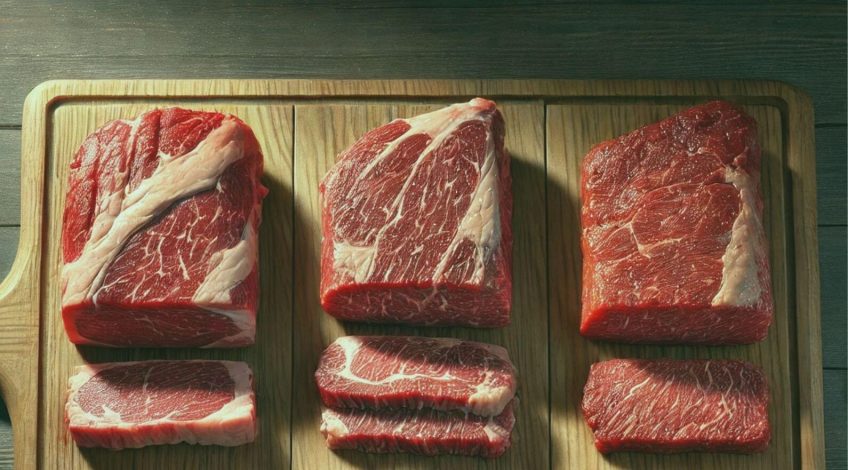
The USDA assigns eight quality grades: Prime, Choice, Select, Standard, Commercial, Utility, Cutter, and Canner. But you’ll only see the first three in shops.
The Three Grades You’ll Actually Find
Here’s what those labels on the packages really mean and when each one makes sense for your cooking.
Prime: The Premium Option
Only about 2 to 4% of cattle makes USDA Prime grade. This beef comes from young, well fed cattle and has abundant marbling throughout.
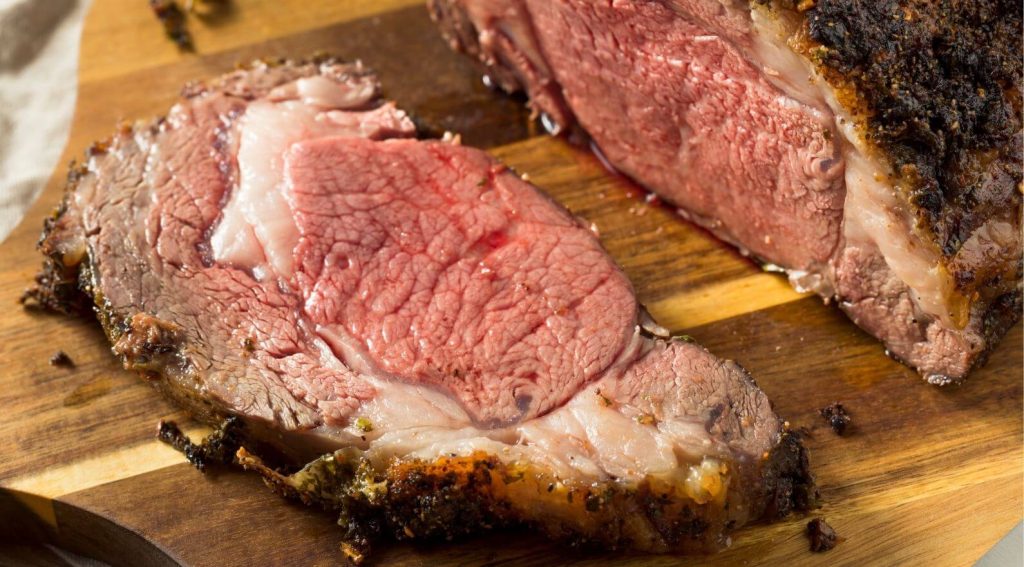
What you get: Incredible tenderness, rich buttery flavour, and a melt in your mouth experience. Prime beef is generally sold in restaurants and hotels.
When it’s worth it: Special occasions, anniversary dinners, when you want guaranteed amazing results. Prime roasts and steaks are excellent for dry heat cooking such as broiling, roasting or grilling.
When to skip it: Slow cooking, stews, or everyday family meals. You’re paying for qualities that won’t matter with those cooking methods.
Choice: The Everyday Winner
Roughly 70% of all cattle meet USDA Choice requirements. Choice beef is high quality, but has less marbling than Prime.
What you get: Choice roasts and steaks from the loin and rib will be very tender, juicy, and flavourful. Great results without the premium price tag.
When it’s worth it: Most of the time. This is your reliable option for weeknight dinners, weekend barbecues and regular family meals.
The catch: Because this grade is so attainable, you might find lower end Choice cuts that resemble Select beef, or higher end Choice products that could pass for Prime steaks. Look for “Upper Choice” or “Top Choice” labels when possible.
Select: The Budget Option That Needs Strategy
Select beef is very uniform in quality and normally leaner than the higher grades. It is fairly tender, but, because it has less marbling, it may lack some of the juiciness and flavour of the higher grades.
What you get: Mostly lean meat with slight marbling and less tenderness. Much lower prices than the higher grades.
When it’s worth it: Many of the less tender cuts can be cooked with dry heat if not overcooked. Such cuts will be most tender if braised, roasted or simmered with a small amount of liquid in a tightly covered pan.
The strategy: Marinating, slow cooking, braising. These methods turn cheaper cuts into tender, flavourful meals.
Smart Shopping Strategies That Save Money
Here are the proven strategies that’ll help you get the best beef for your money without compromising on taste or quality.
Match Your Grade To Your Cooking Method
This is the golden rule most people ignore. Making a quick grilled steak? Choice or Prime will shine. Slow cooking a beef stew for 3 hours? Save your money and buy Select grade stewing beef. It’ll become “fall apart tender” regardless of the starting grade.
TIP: A £25 Prime stewing steak will taste identical to £8 Select stewing steak after 3 hours in a slow cooker. The expensive marbling just melts away into the sauce.
Look For Upper Choice
Many butchers, restaurants, and meat services make wholesale purchases of what’s known in the industry as “Top Choice” or “Upper Choice” beef. This sub category includes only the upper ⅔ of the grade.
This gives you near Prime quality at Choice prices. Ask your butcher if they carry Upper Choice cuts.
Buy Bigger, Use Smarter
Larger roasting joints often cost less per kilo than individual steaks. Roast it Sunday, use leftovers for sandwiches, salads, or stir fries during the week. You’re maximising your investment instead of paying premium prices for convenience portions.
Time Your Shopping
Beef prices fluctuate seasonally. Grilling cuts cost more in summer when everyone wants BBQ. Slow cooking cuts go on sale in winter. Make sure to stock your freezer when prices drop!
When To Actually Splurge On Prime
Prime beef delivers unmatched flavour intensity and is worth the premium for:
- Special celebrations where you want guaranteed results
- Quick cooking methods where marbling really shows
- When you’re learning to cook steak and want something forgiving
- Impressing guests who know their beef
It’s wasted money for:
- Slow cooked dishes where the grade won’t matter
- Everyday family meals where Choice delivers the same results
- When you’re still learning basic cooking techniques
- Any recipe where beef isn’t the main attraction
Your New Beef Buying Strategy
Understanding beef grades isn’t about becoming a meat snob. It’s about getting the best possible results for your money, whether that’s a £8 slow cooker meal or a £25 anniversary steak.
Stop overpaying for qualities you won’t taste and start buying smart. Your dinner will be just as delicious and your bank account will thank you.
Know someone who’s been burnt by expensive beef that didn’t live up to expectations? Share this with them so they can start buying smarter too!
SEE ALSO: This DIY Cleaning Slime Gets Crumbs Out Of Places Your Cloth Can’t Reach
Also, follow us on Pinterest ...