Stop Throwing Out Stale Bread – Try This Trick That Brings It Back To Life
We’ve all been there. You reach for the loaf only to find it’s gone rock hard. It’s not mouldy, just dry and unappetising.
Most people toss it straight in the bin or turn it into breadcrumbs. But what if you could bring it back instead?
This clever little trick takes less than 10 minutes and uses nothing more than water and your oven. You don’t need fancy equipment and you don’t have to settle for bland toast or waste perfectly good bread ever again.
If you’ve been throwing away stale bread, it’s time to stop. Here’s the easy method that can make your crusty loaf soft, warm and delicious again, just like the day you bought it.
Why Bread Goes Stale So Quickly In The UK
Bread goes stale when it loses moisture. This happens even faster in cooler homes and especially during winter when indoor heating dries out the air.
In the UK, where the weather can swing between damp and dry within a day, it’s no wonder a fresh loaf doesn’t always stay soft for long.
Storing bread in the fridge makes it even worse. While it might seem like a way to stop mould, cold temperatures actually make bread dry out faster.
That’s why even sliced loaves can feel like cardboard after just a day or two.
But the good news is, stale doesn’t mean spoiled. As long as the bread isn’t mouldy, it can still be revived and taste just as good as fresh.
The Simple Trick To Bring Stale Bread Back To Life
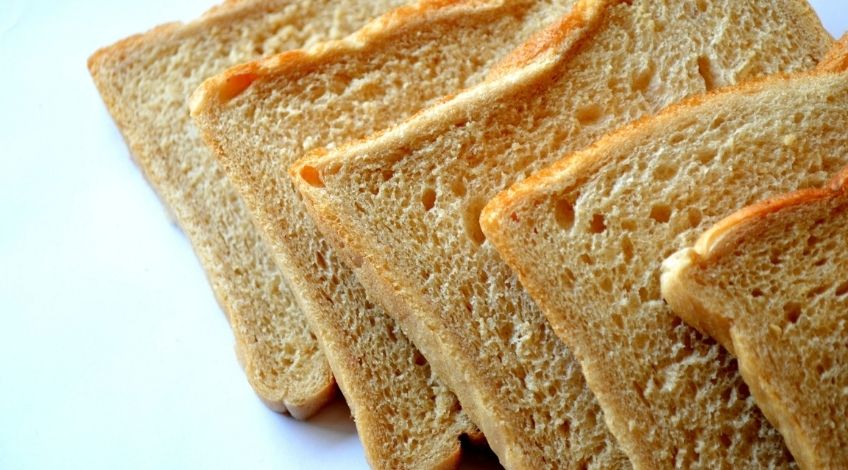
Here’s the step by step method that works every time:
- Preheat your oven to 180°C (160°C fan).
- Run the stale loaf under cold water. Yes, really. Hold it under the tap for just a few seconds, making sure the crust is lightly damp. You don’t need to soak it, just a splash will do.
- Place the loaf directly on the oven rack.
- Bake for 6 to 10 minutes, depending on the size of the bread. Rolls will need less time, large loaves a bit longer.
- Remove and let it cool slightly before slicing.
That’s it. The steam from the water, combined with the oven heat, rehydrates the bread and gives you a soft, warm inside with a crisp, fresh crust.
Does This Work For All Types Of Bread?
Yes, it works with most types of crusty bread including Baguettes, sourdough loaves, farmhouse style white and brown loaves, crusty rolls and ciabatta.
Soft sandwich bread doesn’t respond quite as well, but can still be revived using a slightly different method.
Wrap slices in damp kitchen paper and microwave in 10 second bursts until warm and soft. Just be careful not to overdo it or it can turn chewy.
This trick is especially useful if you’ve picked up fresh bread and didn’t manage to eat it in time.
How Long Will Revived Bread Stay Fresh And Soft?
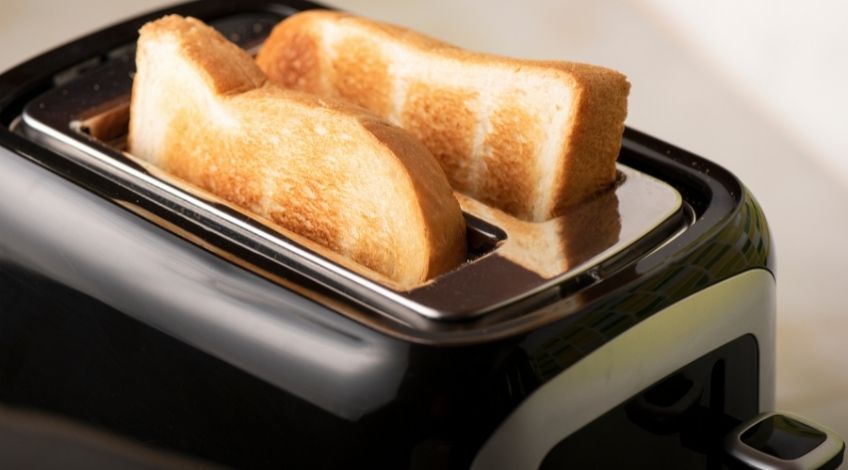
Revived bread is best eaten straight away. It won’t stay soft for days, but it will give you enough time to enjoy it with your soup, pasta or even a cheese toastie.
If you’re not ready to eat it right after reviving, let it cool completely, then pop it in a paper bag or wrap it in a clean tea towel.
This helps lock in the moisture without making it soggy. Avoid using plastic, as it traps condensation and can make the crust rubbery.
You can also freeze revived bread. Just slice it first, freeze in portions and toast or warm in the oven when needed.
How To Stop Bread Going Stale In The First Place
Now that you know how to fix stale bread, here’s how to avoid the problem altogether:
- Store bread at room temperature, in a bread bin or paper bag not the fridge.
- Only slice what you need, as whole loaves stay fresher longer.
- Freeze extra bread the day you buy it, then defrost slices as needed.
- If buying from a bakery, ask for it unsliced, so it doesn’t dry out too quickly.
Many people in the UK throw out bread far too soon, especially when it’s gone slightly hard. But with just a bit of water and heat, that “old” loaf can become fresh again.
Can You Still Eat Mouldy Bread Or Should You Bin It?
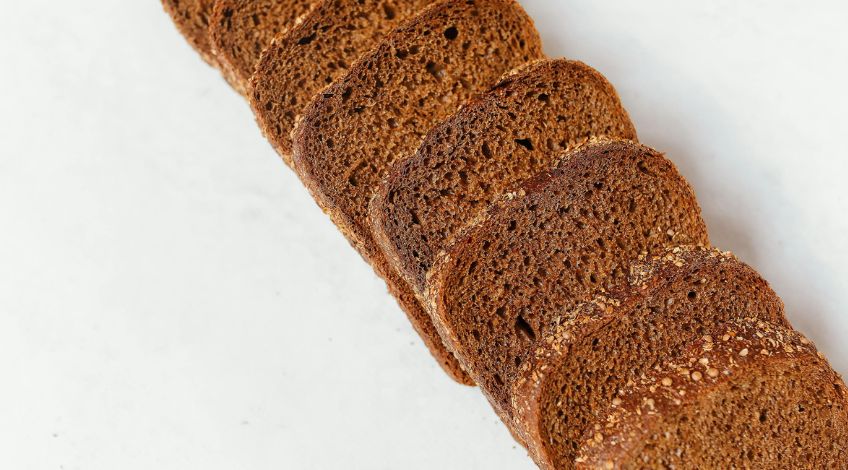
No. If there’s any sign of mould, it’s best to throw it out. Mould can spread invisibly through the loaf, even if you only see one small patch.
Unlike staleness, mould is not safe to eat and can cause illness. Stick to this rule: Dry bread can be revived. Mouldy bread must go.
So give your bread a quick check before tossing it. A firm crust is no reason to waste it.
Stop Wasting Bread With This Clever Oven Hack
With the cost of food rising, wasting bread every week adds up.
This trick is simple, free and incredibly satisfying. It works with loads of different breads and once you try it, you’ll never throw out a dry loaf again without giving it a second chance.
Let Friends Know About This Genius Way To Revive Stale Bread!
If you’ve ever binned bread that’s gone a bit dry, this trick could save you money and waste. Share it on social media so others can give it a try before tossing theirs out too!
SEE ALSO: Does Bread Last Longer In The Fridge? (and what to do instead)
Also, follow us on Pinterest ...