The Best (and worst) Keto Foods for Prediabetes
Prediabetes is a condition where blood sugar levels are higher than normal but not yet high enough to be classified as type 2 diabetes. It is a warning sign that your body is struggling with insulin resistance, which can increase the risk of developing diabetes and other metabolic disorders if left unmanaged.
One of the most effective ways to regulate blood sugar and prevent progression to diabetes is through dietary changes, with the ketogenic diet being a popular and promising option.
The ketogenic diet is a low carbohydrate, high fat eating plan designed to shift the body’s metabolism from using glucose as its primary fuel source to burning fat instead. This metabolic state, known as ketosis, helps stabilise blood sugar levels and reduces insulin spikes, making it particularly beneficial for those with prediabetes.
However, not all keto friendly foods are equally beneficial, and some can still have negative effects on blood sugar and overall health.
This guide explores the best keto foods to include in your diet, as well as those to avoid, to help you effectively manage prediabetes and support long term metabolic health.
Understanding The Glycaemic Index & Glycaemic Load
The glycaemic index (GI) ranks foods based on how quickly they raise blood sugar levels, while glycaemic load (GL) considers both the quality and quantity of carbs. Keto friendly foods with a low GI/GL can help prevent insulin spikes, making them ideal for managing prediabetes.
The Best Keto Foods For Prediabetes
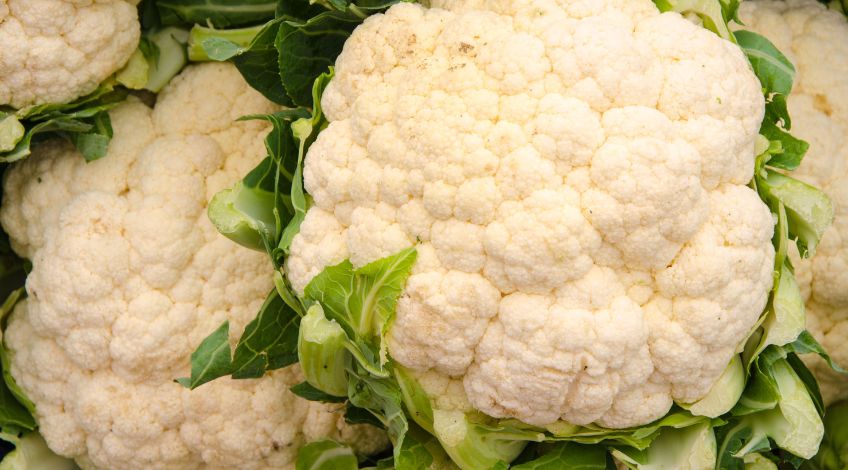
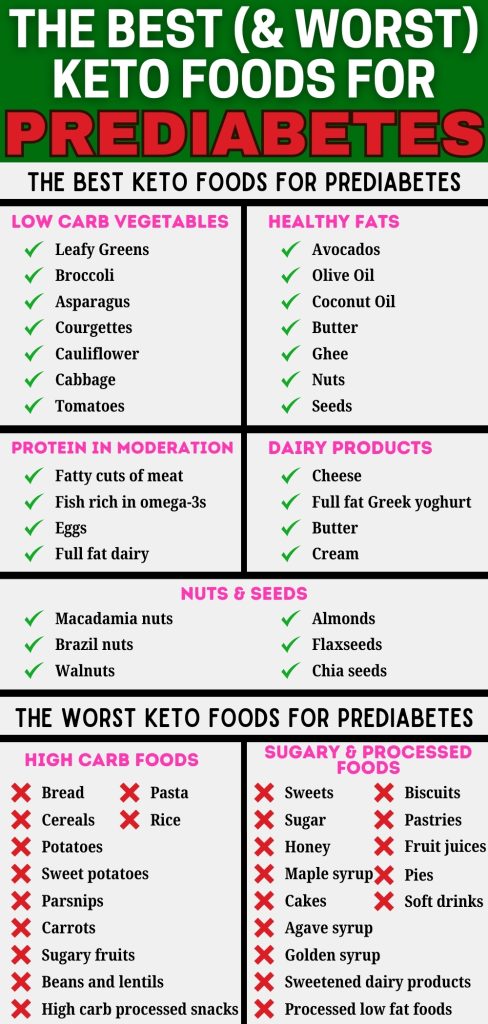
Let’s start by looking at the best foods for prediabetes that can be eaten on a keto diet. They include;
Low Carb Vegetables
A well balanced ketogenic diet should have a strong foundation of vegetables, particularly non starchy, fibre rich options. These vegetables provide essential vitamins and minerals while keeping carbohydrate intake low.
Best Choices:
- Leafy greens (spinach, kale, lettuce)
- Broccoli
- Asparagus
- Courgettes
- Cauliflower
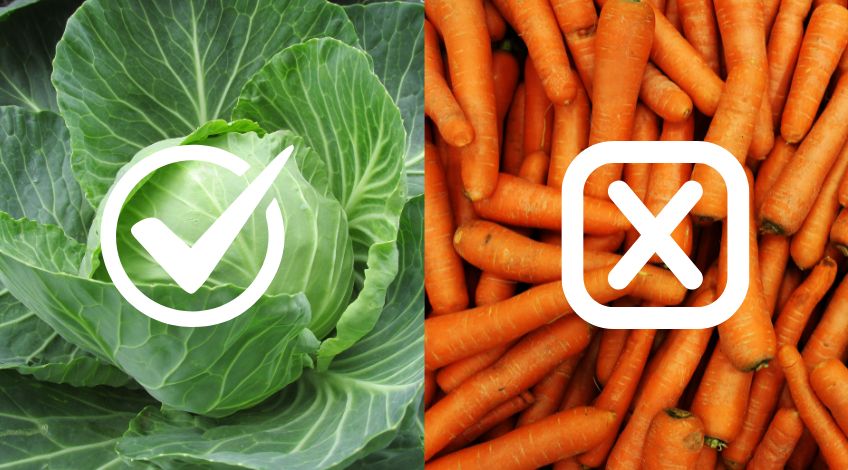
- Cabbage
- Tomatoes (in moderation)
You should avoid starchy vegetables including;
- Potatoes
- Sweetcorn
Parsnips - Beetroot
- Carrots
- Sweet potatoes
This is because they contain higher levels of carbohydrates that can raise blood sugar levels. Non starchy vegetables are not only low in carbohydrates but also high in fibre, which can slow the absorption of glucose and support gut health. Fibre rich foods like leafy greens, flaxseeds, and chia seeds are excellent choices for maintaining stable blood sugar.
Healthy Fats
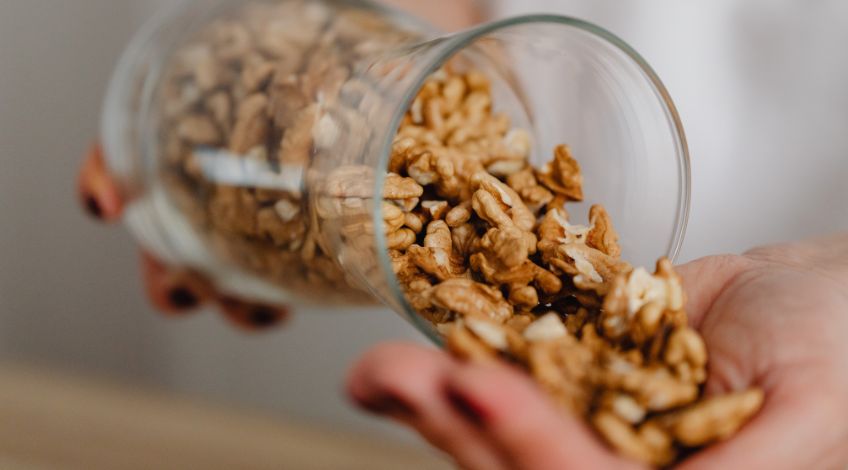
Fat is the primary source of energy on a ketogenic diet, but it’s important to prioritise healthy sources.
Best Choices:
- Avocados
- Olive oil
- Coconut oil
- Butter (preferably grass fed)
- Ghee
- Nuts (macadamia, almonds, walnuts, Brazil nuts)
- Seeds (flaxseeds, chia seeds, sunflower seeds)
You should avoid processed vegetable oils including;
- Soybeans
- Corn, and Rapeseed oil
- Margarine
This is because these can contribute to inflammation and negatively impact heart health.
Protein In Moderation
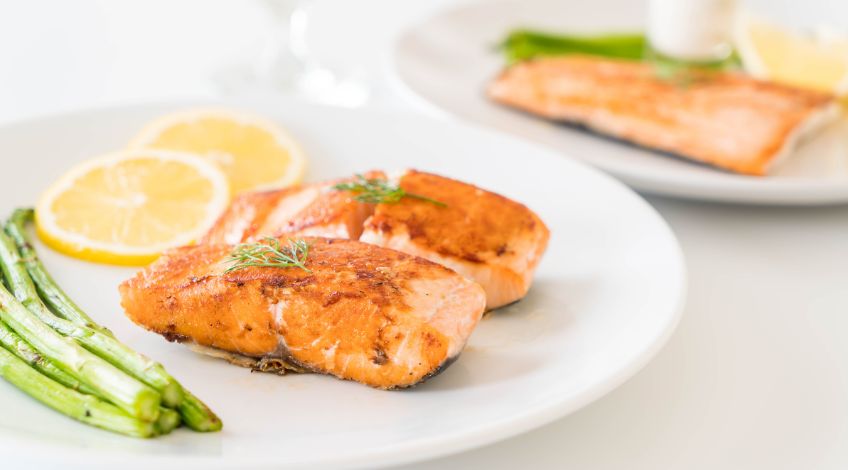
Protein is essential for muscle maintenance and overall health, but excessive intake can lead to gluconeogenesis, where the liver converts protein into glucose, potentially affecting ketosis.
Best Choices:
- Fatty cuts of meat (lamb, pork belly, poultry with skin)
- Fish rich in omega-3s (salmon, sardines, mackerel, trout)
- Eggs (a staple on keto diets)
- Full fat dairy (cheese, cream, Greek yoghurt)
You should avoid lean meat in excess, as they can lead to higher glucose production. Also, be cautious with processed meats like sausages and bacon that contain added sugars and preservatives.
Dairy Products
Dairy can be an excellent source of fat and protein, but it’s essential to choose full fat options to maintain ketosis.
Best Choices:
- Cheese (cheddar, brie, goat’s cheese, feta)
- Full fat Greek yoghurt
- Butter (preferably grass fed)
- Cream
You should avoid low fat or flavoured yoghurts, which often contain added sugars, and milk, which contains lactose that can impact blood sugar levels.
Nuts & Seeds
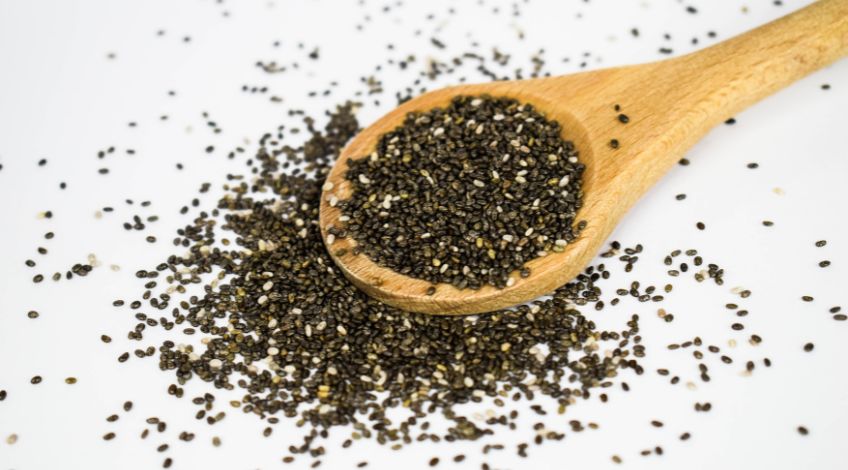
Nuts and seeds provide healthy fats, fibre, and minerals but should be eaten in moderation to prevent overconsumption of carbohydrates.
Best Choices:
- Macadamia nuts
- Brazil nuts
- Walnuts
- Almonds
- Flaxseeds
- Chia seeds
You should avoid cashews, pistachios, and peanuts, as they contain a higher carbohydrate content than other nuts.
The Worst Keto Foods For Prediabetes
To keep blood sugar levels stable and maintain ketosis, it’s important to avoid the following foods:
High Carb Foods
Carbohydrates should be limited to under 50g per day, with stricter keto diets reducing intake to under 30g.
Avoid:
- Bread
- Pasta
- Rice
- Cereals
- Potatoes
- Sweet potatoes
- Parsnips
- Carrots
- Sugary fruits including; bananas, grapes, apples, and oranges
- Beans and lentils
- High carb processed snacks
Sugary & Processed Foods

Refined sugars and processed foods cause spikes in insulin levels, making it difficult to achieve ketosis.
Avoid:
- Sweets
- Sugar
- Honey
- Maple syrup
- Agave syrup
- Golden syrup
- Cakes
- Biscuits
- Pastries
- Pies
- Soft drinks
- Fruit juices
- Sweetened dairy products (flavoured yoghurts, ice cream)
- Processed low fat foods marketed as “healthy”
If you have a sweet tooth, natural keto friendly sweeteners like stevia can be used in moderation. However, avoid artificial sweeteners like maltodextrin or aspartame, which may impact blood sugar or gut health.
Unhealthy Fats
While fat is encouraged on a ketogenic diet, not all fats are beneficial.
Avoid:
- Hydrogenated oils (found in margarine and processed foods)
- Refined vegetable oils (soybean, rapeseed, sunflower oil)
- Fried foods from fast-food outlets
Possible Short Term Side Effects Of Keto

While the ketogenic diet is beneficial for prediabetes, some individuals may experience temporary side effects like the “keto flu,” which includes fatigue, headaches, and cravings. Staying hydrated, increasing electrolyte intake (sodium, potassium, magnesium), and easing into keto gradually can help mitigate these symptoms.
Final Thoughts
The ketogenic diet can be an effective way to manage prediabetes by stabilising blood sugar levels and promoting fat loss. By prioritising whole, unprocessed foods and maintaining a proper balance of fats, proteins, and carbohydrates, you can improve your metabolic health and reduce the risk of developing type 2 diabetes.
Pairing keto with intermittent fasting (IF) (e.g.16:8 or 18:6) can further improve insulin sensitivity and promote fat burning. IF allows the body to go longer without glucose spikes, complementing the ketogenic approach to blood sugar management.
If you’re considering starting a ketogenic diet, consult with a healthcare professional to ensure it aligns with your individual health needs and goals.
If you found this article helpful or interesting, share it with your socials so others can read it too.
SEE ALSO: Keto Friendly Vegetables – The Veggies You Can Eat On Keto.
Also, follow us on Pinterest ...