Keto Friendly Vegetables – The Veggies You Can Eat On Keto
If you’re just starting out on your ketogenic diet and you’ve never tried keto before, it can be a bit confusing. On most diet plans you’re told to restrict fats, eat lean meats and plenty of vegetables.
The keto diet turns that information on its head basically. Your diet needs to be mainly fat with a moderate amount of protein and seriously restricted carbohydrates (carbs).
Now, it might surprise you to learn that many vegetables (and fruits) contain too many carbs to allow your body to burn fat. Keep reading to find out which vegetables you can eat on a keto diet and which you should avoid.
Why Are Too Many Carbohydrates A Problem On Keto?
The way the ketogenic diet works is by changing the body’s metabolic state to ketosis. This is where the body burns fat for energy rather than glucose (as it has for most of your life). If you keep feeding the body too many carbs, it keeps fueling itself from the glucose produced when processing carbs.
For the ketogenic diet to work, you need to get your body burning fat and not glucose. And the best way to achieve this is to restrict carbs and eat a diet high in fat and low in carbs.
Understanding Net Carbs Vs Total Carbs
Not all carbohydrates impact ketosis the same way. When tracking your intake, it’s best to focus on net carbs, which are calculated by subtracting fibre from total carbs. Since fibre is not digested the same way as other carbohydrates, it does not spike blood sugar levels.
For example, if a vegetable has 5g of total carbs but 3g of fibre, the net carb count is just 2g. Keeping an eye on net carbs can help you make better food choices while following a keto diet.
Are All Vegetables Carbohydrates?
While it’s true that all vegetables contain carbohydrates, that’s not an excuse to leave them out completely. Your body needs the nutrients, vitamins and minerals provided in vegetables to function properly.
Plus, some vegetables have a higher carb content than others. As long as you stick to the low carb vegetables, you’ll get the health benefits while keeping your carb intake low.
The Vegetables You Can Eat On Keto
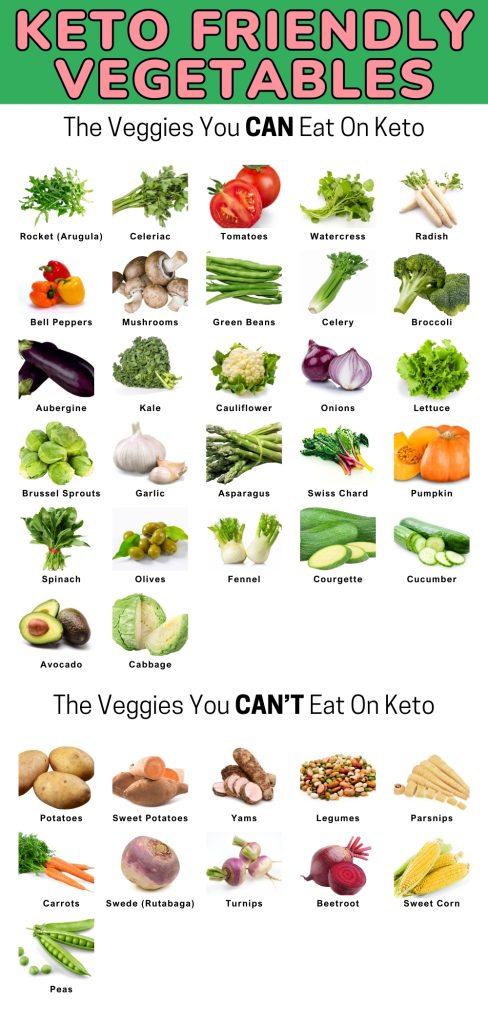
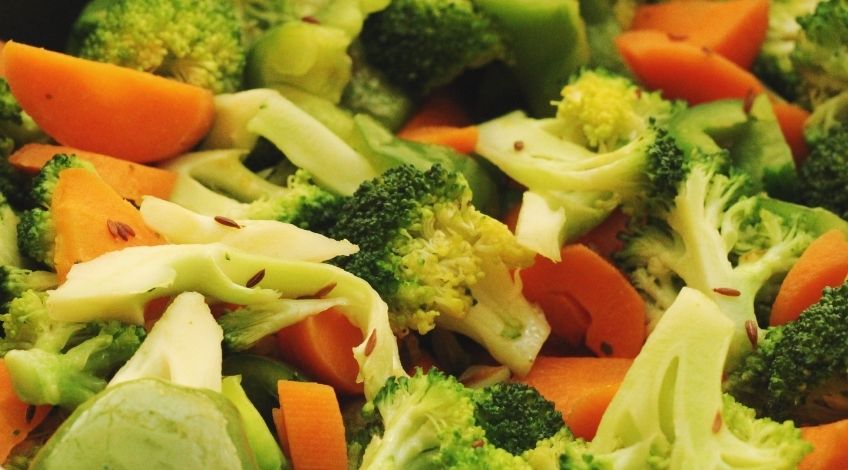
Let’s get right into the best keto friendly vegetables you can eat while following a ketogenic diet. These include;
Rocket (Arugula)
Rocket has a slightly peppery taste along with a hint of spice and mustard. The leaves are a good source of chlorophyll as well as amino acids and vitamins K, E, B and C.
Watercress
Watercress also has a slightly bitter taste which comes from the protective compounds in the plant. These same compounds are great for our gut. Because they support digestion and other necessary functions.
Mushrooms
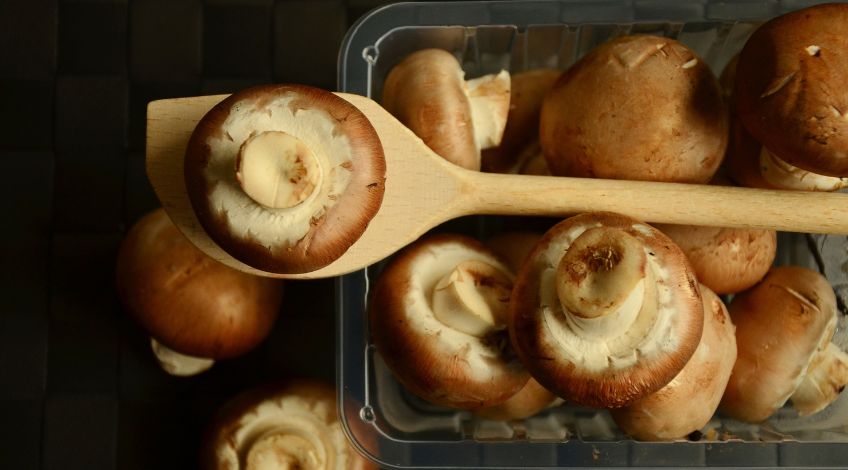
Mushrooms provide an almost meat like texture to meals and are also packed with vitamin D, B6, potassium, copper, pantothenic acid, riboflavin, niacin, selenium and fibre.
Celery
Celery stalks are great for a low carb snack and help to keep the body hydrated. Celery also provides potassium, sodium and fibre to your diet.
Kale
There are various types of kale available including cavolo nero (black kale) and curly kale. Curly kale is slightly less bitter in taste than black kale but both are great low carb sources of carotenoid, lutein, vitamin C and vitamin K.
Lettuce
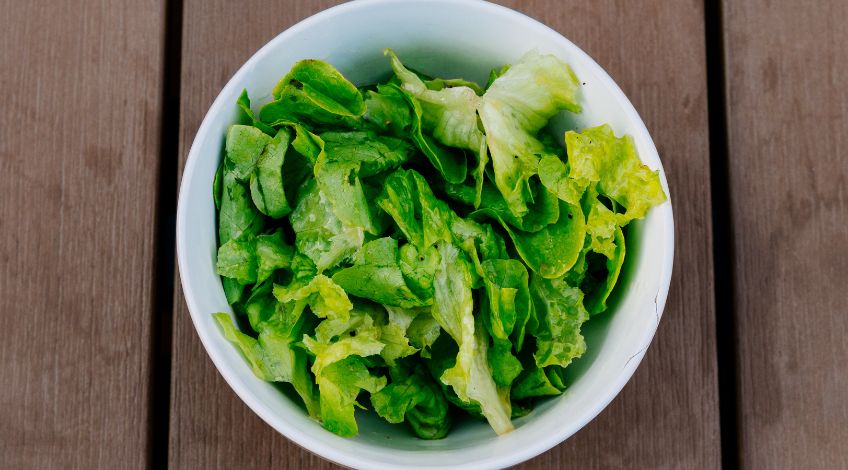
Lettuce is the backbone of most salads and is packed full of water. It’s great for keeping you hydrated and also contains necessary electrolyte minerals including calcium, magnesium and potassium.
Asparagus
Asparagus is a versatile vegetable that only has a short season here in the UK. However it gets imported from all around the world so it’s usually available. It contains folate, chromium and a range of vitamins including A,C,E and K.
Spinach
There are plenty of ways spinach can be used when meal planning; cooked as a green vegetable, eaten raw with a salad, or wilted as a base for poached eggs. Whichever way you use spinach you’ll benefit from its nutritious array of minerals including magnesium, calcium and iron.
Courgette (zucchini)
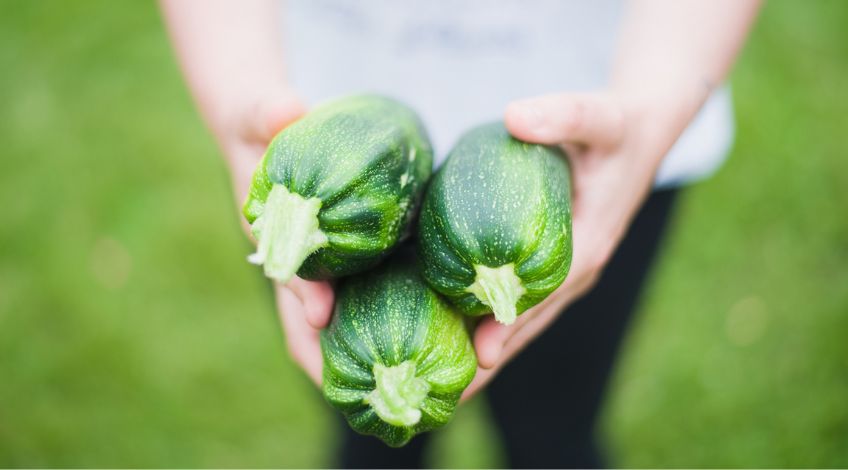
Although technically classed as a fruit, courgettes are mainly used as vegetables. They have a slightly sweet creamy flavour and can be used in any number of healthy keto friendly recipes. They also contain antioxidants, calcium, fibre as well as vitamins A, B6 and C.
Celeriac
Although it looks like a discoloured swede, celeriac is one swollen bulb like vegetable that is surprisingly low in carbs and calories. This makes it ideal for anyone struggling to transition from carbs to keto.
You can mash celeriac just like you would the more carb laden and strictly off limits potatoes. Celeriac is a rich source of calcium, phosphorus, potassium, manganese and is an antioxidant as well as containing vitamins B6, C and K. Plus it’s high in fibre which can help if you suffer from constipation during your transition period.
Radish
Due to their crisp peppery taste, radishes are a great salad vegetable and also work great as a garnish. They are also low in calories and carbs and contain minerals including magnesium, calcium and potassium as well as B vitamins.
Cabbage
Cabbage can be eaten raw or cooked and is a great source of magnesium, calcium, potassium, sodium and iron. As well as vitamins B6, C and D.
Broccoli (calabrese)
Broccoli gets a bad press because of the way it used to be served in an overcooked state. But cooked properly, broccoli is a tasty vegetable which adds new dimensions to the texture of a meal. Plus, it contains folate, iron, calcium and magnesium. As well as vitamins B6,C and D.
Cauliflower
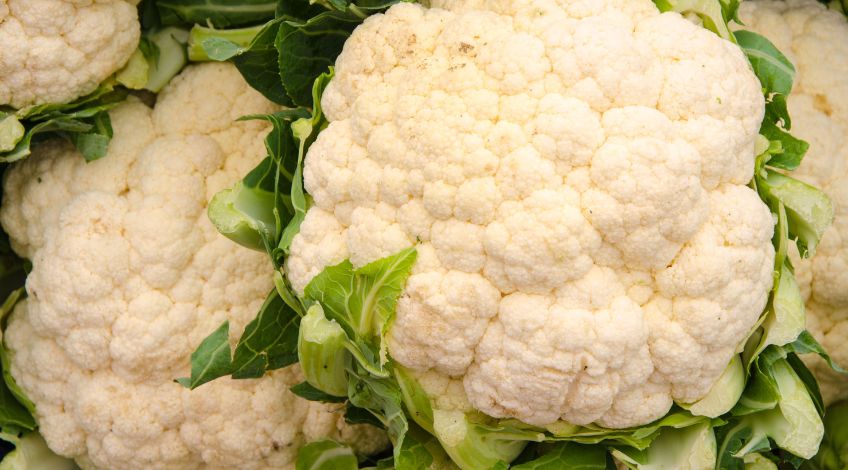
Cauliflower is a great replacement for potatoes, rice and pizza bases when sticking to a keto diet. It is low in calories and carbs while providing sodium, potassium, iron, calcium, magnesium and vitamin C.
Brussels Sprouts
Brussels sprouts, you either love them or hate them, but if you do like them, they’re a good source of sodium, potassium, magnesium and calcium. As well as vitamin B6 and C.
Avocado
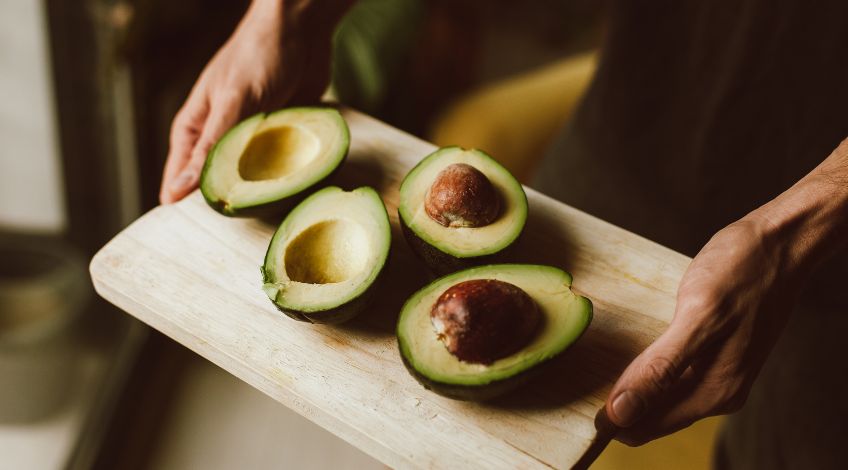
Avocados while technically fruits are a great source of healthy fat essential to a successful keto diet. As well as being a good source of riboflavin, niacin, folate, pantothenic acid, magnesium and potassium. They also contain lutein, beta carotene and omega 3 fatty acids and vitamins B6, C, E and K.
Swiss Chard
Swiss chard is a loose leafed vegetable that comes in a variety of colours. It is a good source of sodium, potassium, iron, magnesium and calcium. As well as vitamin C and B6.
Olives
Olives have been consumed for many thousands of years and are a great source of antioxidants called polyphenols which have been proven to reduce inflammation. Plus they are a good source of copper, iron and fibre. As well as a good source of vitamin A and E.
Cucumber
Cucumbers contain large amounts of water making them great for keeping you hydrated. They also contain vitamins B1, B2, B3, B5, B6,K and C. As well as being a good source of folic acid, calcium, iron, magnesium, phosphorus, potassium and zinc.
Tomatoes

Another fruit that’s used primarily as a vegetable, tomatoes are a great source of antioxidants and amino acids. As well as potassium, iron, magnesium, chromium, lycopene, lutein and zeaxanthin. Plus vitamins A,C K and folate.
Bell Peppers
Bell peppers have different carbohydrate values depending on their colour. With green bell peppers having lower carb quantities than the red or yellow varieties. All bell peppers contain vitamin A,C and E as well as potassium, folate, beta carotene, lutein, quercetin and capsanthin.
Green Beans
Although heading towards the higher end of allowed carbohydrate vegetables, green beans are a good choice in small amounts. This is because they contain vitamins A, C and K as well as folate, calcium, iron, magnesium, phosphorus, potassium and zinc. They are also a good source of fibre and chlorophyll.
Aubergines (egg plants)
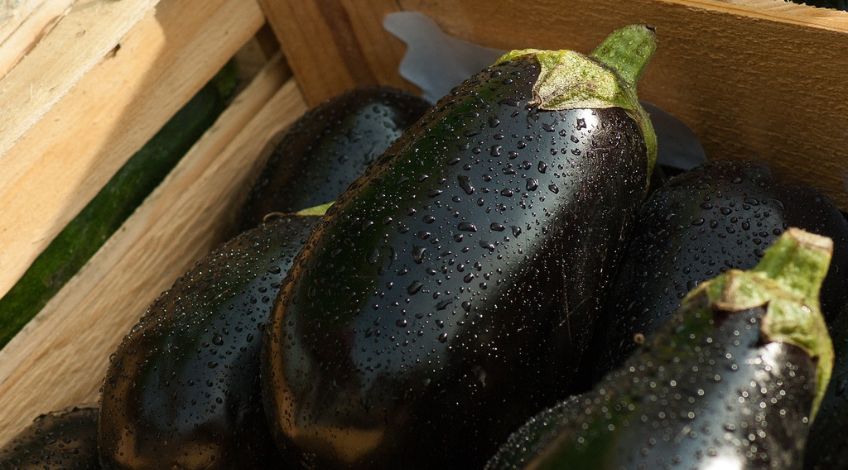
Aubergines are great for keeping blood cholesterol at the desired level because of their high fibre content. They are also around 90% water which helps you keep hydrated. Aubergines contain iron, magnesium and potassium as well as vitamins B6 and C.
Onions
Onions are low in calories but slightly higher than many other vegetables in carbs. But they are a great source of potassium, iron, magnesium, folate and calcium. As well as vitamins B6 and C. They are known to reduce blood sugar levels and improve bone health.
Garlic
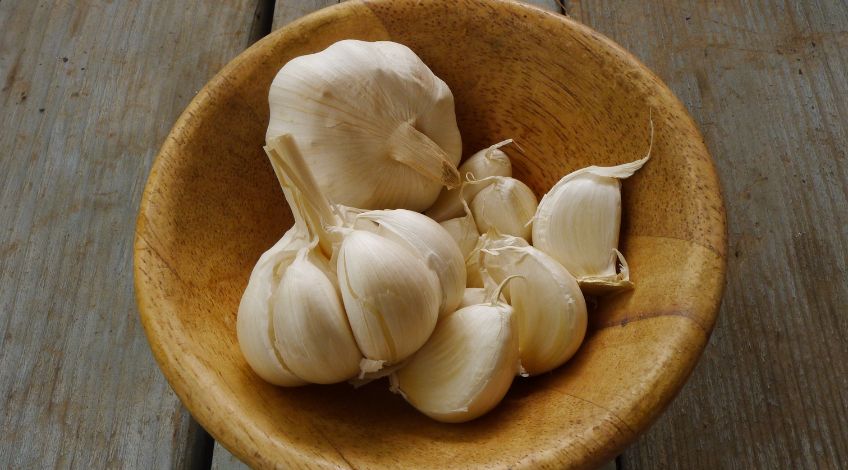
Garlic is a natural antibiotic, supports the body’s immune system and has anti-inflammatory and antiviral properties. It contains potassium, sulfur, calcium, manganese, selenium, iron, sodium, phosphorus and zinc. As well as vitamins B6 and C. It is reported to lower cholesterol, lower blood pressure as well as having anti cancer properties and antimicrobial as well as antifungal and antibacterial properties.
Pumpkin
Pumpkins are low starch, low carb vegetables and are rich in vitamins A, C and E. As well as potassium, selenium, magnesium and zinc. They also contain omega 3 fatty acids, carotenoids and fibre.
Fennel
Fennel is low in carbs and has been linked to aiding sleep as well as helping with problems arising with the menopause. It contains sodium, potassium, iron, calcium and magnesium. As well as vitamin C.
How To Cook Keto Friendly Vegetables
Choosing the right vegetables is just one part of the equation, the way you cook them also matters. Steaming and roasting help retain nutrients, while sautéing in healthy fats like butter, olive oil, or coconut oil enhances flavour and supports ketosis.
Avoid breading or frying in processed oils, as this can add unnecessary carbs and unhealthy fats to your meal.
Watch Your Portions
While these vegetables are low in carbohydrates, it’s still important to be mindful of portion sizes. Eating excessive amounts, particularly of those higher up on the carb scale like onions, green beans, or peppers, can add up quickly and potentially interfere with ketosis.
Keep track of your intake to ensure you stay within your daily carb allowance.
The Vegetables You Should Avoid On Keto
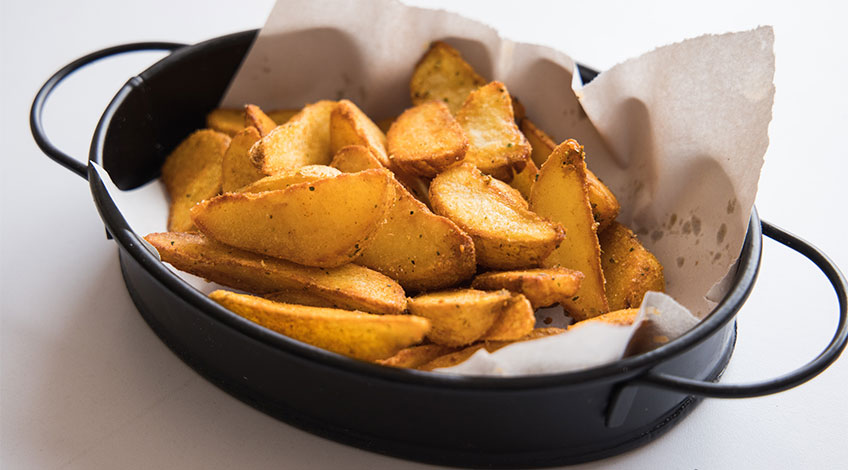
We now have a comprehensive list of keto friendly vegetables that can be consumed daily while following a keto diet. But what about the vegetables that you shouldn’t eat? Well there are a few, mainly due to their high carbohydrate quantities which include;
- Potatoes
- Sweet Potatoes
- Yams
- Legumes
- Parsnips
- Carrots
- Swede (rutabaga)
- Turnips
- Beetroot
- Sweet Corn
- Peas
You should avoid eating any of these carb rich vegetables while trying to maintain ketosis. And although that might seem like a difficult task when you’ve probably been eating them your entire life, there are plenty of keto friendly alternatives listed above that can be eaten regularly.
Grab This Handy Poster To Help You Remember!
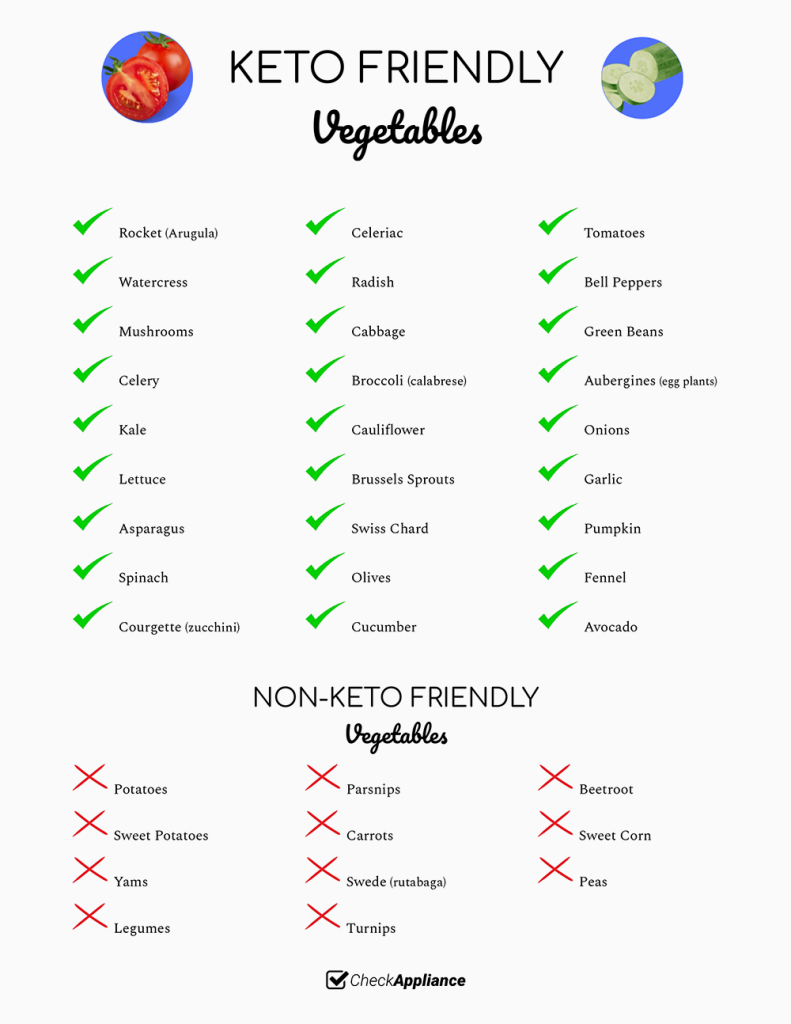
DOWNLOAD PRINT-QUALITY PDF HERE
So There You Have It
Incorporating the right vegetables into your keto diet is key to staying in ketosis while still getting essential nutrients. By focusing on low carb, nutrient dense veggies and avoiding high carb ones, you can maintain a healthy, balanced keto lifestyle.
Are you ready to start your keto journey with confidence? Save this list for easy reference, and if you found this guide helpful, share it with your friends or leave a comment with your favourite keto friendly vegetable recipes! Stay committed to your health goals, and happy keto eating!
SEE ALSO: What Can (And Can’t) Go In An Air Fryer: Full Cheat Sheet
Also, follow us on Pinterest ...