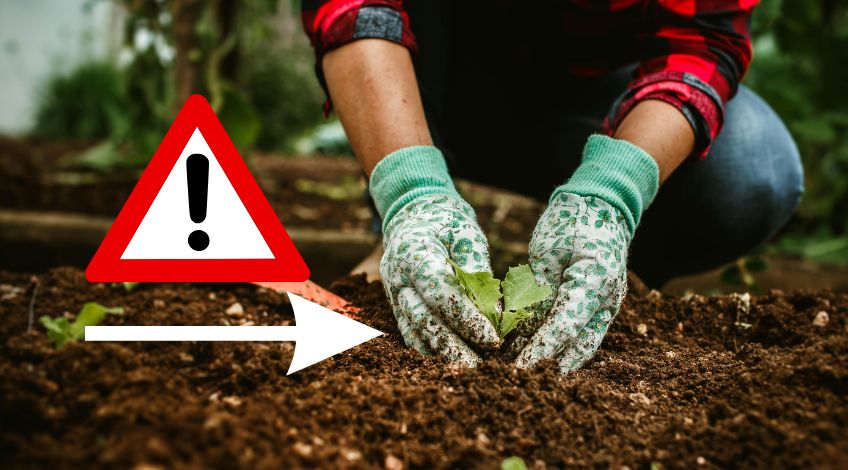
Common Garden Issues That Could Ruin Your Veggies If You Don’t Act Now
You’ve spent weeks sowing, watering and watching your vegetable patch come to life. But just when it looks like you’re on track for a good harvest, things can go wrong fast.
From unpredictable weather to sneaky pests, your garden might be dealing with threats you don’t even see yet.
This guide explains the most common garden problems in the UK that could damage your vegetables and what you need to do about them now before it’s too late.
Overcrowding And Poor Airflow Lead To Disease And Rot
Many beginner gardeners in the UK make the mistake of planting too closely, especially in raised beds or small greenhouses.
While it may look lush, overcrowded plants trap moisture and block airflow, which encourages fungal diseases like white mould and rust. Beans, courgettes and leafy vegetables are especially vulnerable.
Always follow the recommended spacing on your seed packet or plant label. Resist the urge to squeeze in just one more plant!
Thin out seedlings early on and prune back excessive growth to improve airflow. If you’re using cloches or polytunnels, vent them regularly to reduce humidity.
Spot These Bugs Before They Destroy Your Garden Crops
Cucumber beetles, flea beetles and squash bugs might not sound threatening, but they can wreak havoc on a small vegetable patch.
These pests feed on young seedlings, chew holes in leaves and in some cases, spread diseases like bacterial wilt.
Cucumber beetles are becoming more common in southern parts of England during hot summers and can be spotted by their yellow and black markings.
Protect seedlings with garden fleece or fine mesh in the early stages, removing it once the plants start flowering.
Regularly check under leaves and around the base of plants for clusters of eggs or adult bugs. Handpick where possible and destroy them.
Yellow Leaves Could Mean Your Soil Needs Help
If your vegetable plants start turning yellow or pale green, particularly between the leaf veins, it could be a sign of nutrient deficiency – often caused by poor soil quality or pH imbalance.
Chlorosis, as it’s called, is common in alkaline soils, which are more widespread in chalky areas of southern England.
The only way to know what your soil truly needs is to get it tested. You can buy home kits or contact your local RHS affiliated gardening group or university extension service.
Once you know the issue, adjust the soil with compost, organic fertiliser or specific nutrient treatments. Keep an eye on future plantings and rotate your crops to avoid repeated deficiencies.
Stop Leaf Damage In Your Veg Patch Before It Spreads
If your spinach, lettuce or beetroot leaves are suddenly covered in squiggly lines or transparent patches, you might be dealing with leaf miners.
These tiny larvae live inside the leaves and munch away from within, making them hard to spot until damage is already done.
In the UK, leaf miners are especially common in spring and summer, particularly during mild weather.
Once you notice the damage, act quickly. Remove any affected leaves and dispose of them in your council green waste bin rather than composting. If infestations are bad, pull out the entire plant and grow a new batch in a different bed.
Always rotate your crops each season to prevent pests from settling in. You can also try using insect proof mesh to keep adult flies from laying eggs in the first place.
Protect Tomatoes And Courgettes From Mould This Summer
Powdery mildew and downy mildew love the humid, changeable weather we often see in the UK. They affect courgettes, cucumbers, pumpkins, tomatoes and even peas, causing white or yellow patches on leaves that gradually kill the plant.
Powdery mildew is more common in shady spots with poor airflow, while downy mildew tends to strike when leaves stay damp for too long.
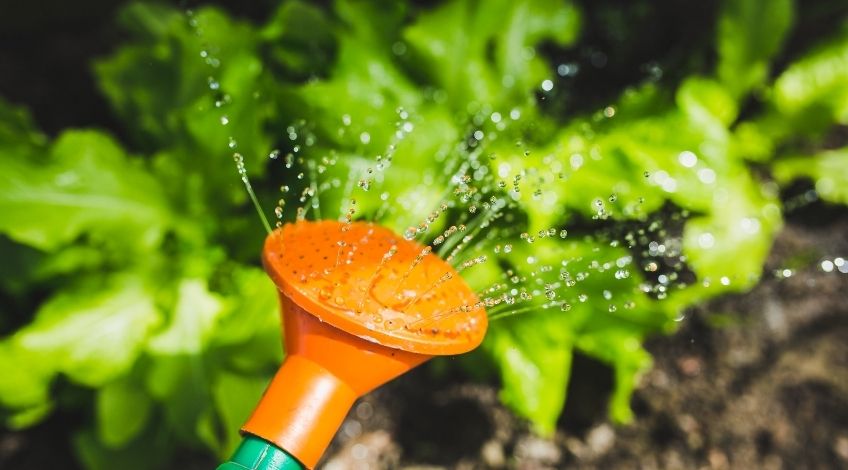
To reduce risk, water your vegetables in the morning and direct the water at the soil, not the leaves. Always space out your plants to allow air to move freely.
If mildew sets in, remove damaged leaves straight away and disinfect your tools afterwards. Some copper based fungicides can help, but prevention is still the best approach.
Where possible, choose resistant varieties when buying seeds or seedlings.
Why Tomatoes Split Or Rot During Sudden Weather Changes
Tomatoes may thrive in a sunny spot, but they’re sensitive to changes in watering and temperature.
Inconsistent watering is one of the main causes of problems like split skins and blossom end rot. If your tomatoes suddenly crack open or develop a dark, leathery patch at the base, chances are the watering has been uneven.
In the UK, summer rainfall can go from drought to downpour. To help your plants cope, apply mulch around the base to hold moisture and reduce evaporation.
Use a soaker hose or watering can to give the soil a deep soak once or twice a week rather than daily surface watering.
And don’t forget to support your plants so heavy fruit doesn’t stress the stems.
When To Harvest Cucumbers For Best Results
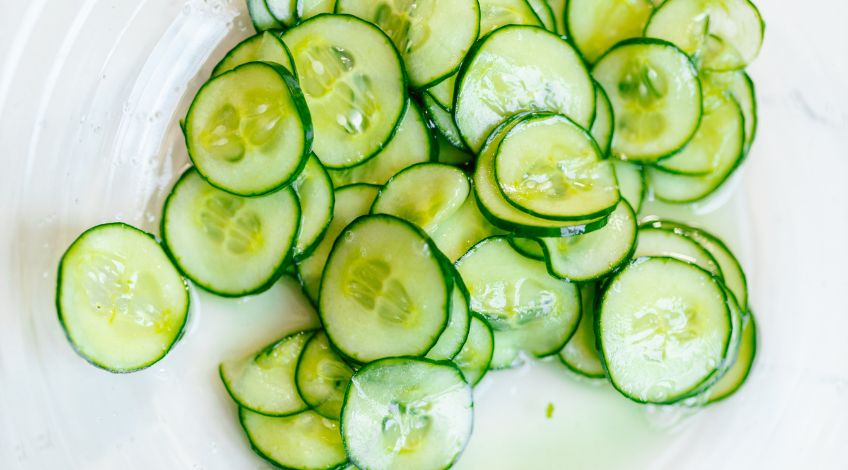
One of the easiest ways to ruin a perfectly good cucumber or courgette is by waiting too long to pick it. These vegetables grow rapidly during warm spells and can become overripe in a matter of days.
Left on the plant too long, cucumbers can turn yellow and bitter, while courgettes may become oversized, watery and tasteless.
Check your plants every other day once they begin producing fruit. Pick cucumbers when they’re firm, green and around 15cm long.
Courgettes are best harvested when they’re about the size of a small torch, before their skins toughen up. Keeping up with harvesting also encourages more fruit to grow, so don’t delay!
Act Now To Save Your Crops
Whether it’s pests, diseases or simple timing mistakes, every gardener faces challenges. But when you learn to spot the early signs and know what action to take, you’ll give your vegetables the best chance to thrive.
Keep an eye on the weather, inspect your plants regularly and make small adjustments as needed. If you act quickly, you can save your crop and enjoy the full rewards of your hard work.
Pass These Garden Saving Tips On To Fellow Growers!
These easy to follow tips are ideal for anyone trying to keep their vegetable patch thriving. Share them on social media to help others spot and solve garden problems early before they ruin the harvest.
SEE ALSO: Clean Your Fruit & Veg the Right Way With This Easy DIY Wash
Also, follow us on Pinterest ...