The Pantry Labelling Trick That Actually Keeps Food Fresh Longer
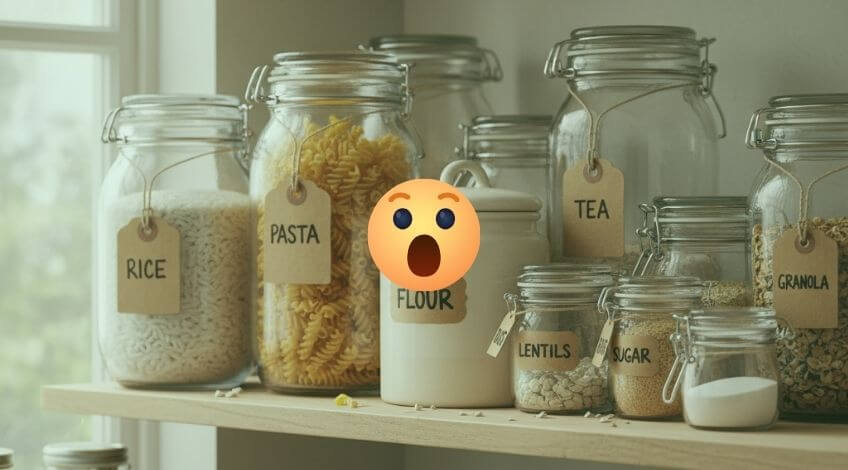
Ever opened your pantry only to find a bag of flour crawling with weevils or a box of crackers gone soft and stale? We’ve all been there, and it’s frustrating. You’re trying to save money and reduce waste, but it feels like your pantry is working against you.
Here’s the thing: most people think proper food storage is all about airtight containers and cool temperatures. And while those help, there’s one simple trick that makes a huge difference, yet hardly anyone does it. It’s all about how you label your food. Not just slapping a piece of tape with “rice” written on it, but a proper labelling system that tells you exactly what you need to know to keep food fresh.
Ready to transform your pantry and actually save money on groceries? Let’s get into it.
Why Most Pantry Organisation Fails
You’ve probably tried organising your pantry before. Maybe you bought matching containers, arranged everything by type and felt really pleased with yourself for about a week. Then reality hit: you forgot what you put where, couldn’t remember when you opened things and eventually just started shoving items wherever they’d fit.
The problem isn’t your containers or your shelving. It’s that you’re missing critical information that helps you use food before it spoils. Think about it: when did you open that bag of oats? How long do those dried chickpeas actually last? Should you use the older jar of peanut butter first or does it matter?
Without this information at your fingertips, you’re basically guessing. And guessing leads to waste, which leads to throwing money in the bin.
The Complete Labelling System That Changes Everything
Here’s what makes this method different: you’re not just labelling what something is. You’re creating a mini food management system right on each container. Sounds fancy, but it’s actually dead simple.
What Information Goes On Every Label
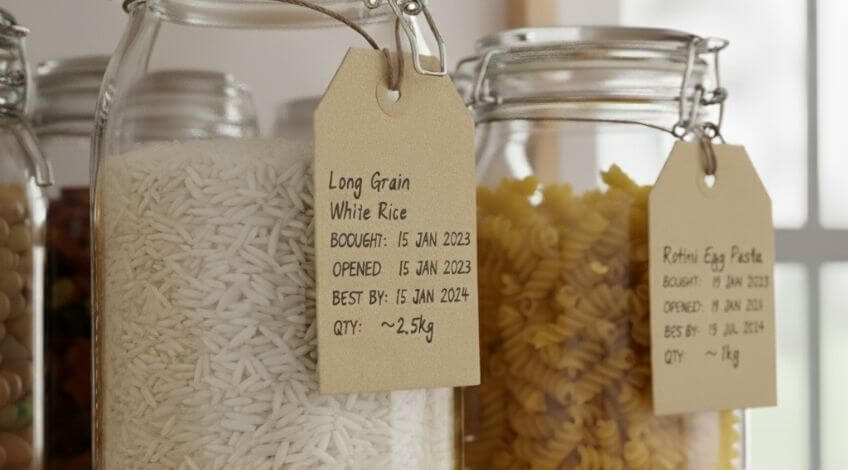
Your labels need three key pieces of information, and yes, all three matter:
The Product Name
Obviously, you need to know what’s in the container. But be specific! Don’t just write “flour”, write “plain flour” or “self raising flour”. Trust me, you’ll thank yourself when you’re halfway through a recipe.
The Purchase Or Opening Date
This is where most people give up, thinking it’s too much faff. But here’s why it matters: foods don’t last forever, even in sealed containers. Flour can go rancid. Spices lose their potency. Pasta can get stale. Knowing when you bought or opened something helps you use older items first and spot when something’s past its best.
The Best Before Or Use By Date
If the original packaging had a date, transfer it to your label. For bulk items without dates, research how long they typically last and note when they should be used by. This single piece of information will save you from the “is this still good?” guessing game.
You can also add a fourth optional item: quantity. If you buy in bulk or portion things out, knowing you’ve got 500g of rice left is helpful for meal planning.
How To Actually Implement This System
Right, so you know what to write. Now let’s talk about how to make this work in real life without spending your entire weekend on it.
Get The Right Labelling Tools
You don’t need a fancy label maker (though they are quite nice if you’re feeling keen). A permanent marker and some masking tape work perfectly well. The key is making sure your labels are:
- Waterproof
Kitchen environments are humid. Paper labels that aren’t protected will just disintegrate or become illegible. - Removable Or Rewritable
You’ll be updating dates as you refill containers. Either use removable labels or dedicated spaces you can wipe clean and rewrite. - Large Enough To Read
Squinting at tiny writing when you’re trying to cook is annoying. Make your labels big enough that you can read them at a glance.
Chalk labels are brilliant for this because you can wipe and rewrite them endlessly. Alternatively, use a strip of masking tape and replace it each time you refill.
Start With Your Most Used Items
Don’t try to label your entire pantry in one go. That’s overwhelming and you’ll give up. Instead, focus on the items you use most often and the ones that tend to go off quickly.
Start with:
Flours and baking ingredients (these go rancid surprisingly fast) opened packets of nuts and seeds, dried pasta and rice, spices and herbs, cereals and oats.
Once you’ve got these sorted, you can gradually work through the rest of your pantry. The beauty of this approach is you’ll start seeing benefits immediately, which motivates you to keep going.
Create A Rotation System
This is where your labelling really pays off. Once everything’s dated, you can implement a simple “first in, first out” system, just like they do in restaurants and supermarkets.
When you buy new stock, put it at the back. The older items with earlier dates stay at the front where you’ll grab them first. It sounds obvious, but you’d be surprised how many people do the opposite, shoving new purchases in front where they’re easiest to reach.
Your labels make this system foolproof because you can see at a glance which items are oldest.
The Food Where Dating Actually Matters Most
Not all pantry items are created equal. Some foods can last years with barely any quality loss, while others start deteriorating within weeks of opening. Knowing which is which helps you prioritise your labelling efforts.
High Priority Items To Date
- Whole Grain Flours
Unlike refined white flour, whole grain flours contain oils that can go rancid within three to six months. If you’ve ever tasted bitter pancakes, this was probably why. - Nuts And Seeds
The healthy fats in nuts and seeds are great for you, but they also mean these foods can turn rancid quickly once opened. Label them with opening dates and sniff before using. Rancid nuts smell painfully sharp and unpleasant. - Cooking Oils
Even in sealed bottles, oils slowly oxidise. Once opened, this process speeds up. Most oils are best used within three to six months of opening. - Spices And Dried Herbs
These don’t go “off” in a dangerous way, but they do lose potency. Ground spices last about two to three years, while whole spices can go for four years. Dried herbs are best used within a year. - Opened Packets
Anything you’ve opened but can’t finish in one go needs dating. Crackers, cereal, pasta, rice, you name it. Once that seal is broken, freshness starts declining.
Lower Priority Items
Some food are so stable they barely need dating:
- White rice (lasts indefinitely when stored properly)
- White sugar, salt, dried beans (though older beans take longer to cook)
- Honey
- Vinegar
You can still label these with purchase dates if you like, but it’s less critical.
How This System Saves You Actual Money
Let’s talk pounds and pence, because that’s what really matters when you’re trying to cut costs.
The average UK household throws away £470 worth of food per year. A massive chunk of that is pantry staples that went off before they got used: stale crackers, rancid flour, spices that lost their flavour.
When you know exactly how long things have been sitting there, you use them. You check your dates before meal planning and think “right, those oats need using up, we’ll have porridge this week”. You notice that pasta is approaching its best before date and plan a pasta bake.
This is how you stop wasting food: by making invisible information visible. You can’t use up food before it goes off if you don’t know it’s about to go off.
Common Mistakes People Make With Pantry Labels
Even with the best intentions, there are some mistakes to avoid:
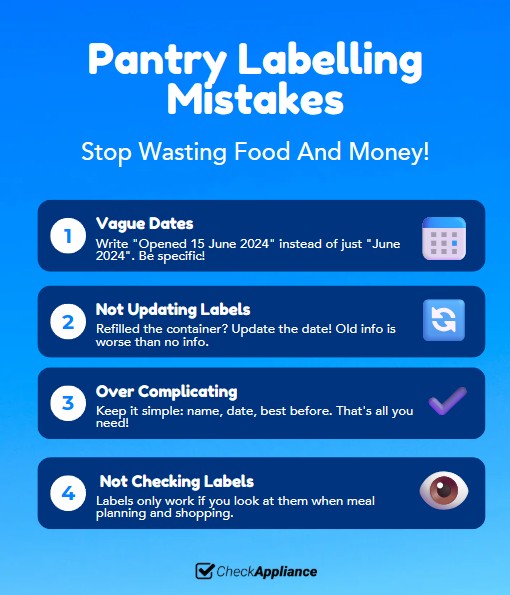
Taking It One Step Further
Once you’ve got the basics down, you can enhance your system even more:
Keep a small notebook or use your phone to track what you’ve got and when things need using. Some people even photograph their pantry contents to check while at the shops.
Group items by use by date ranges. Keep a “use soon” section at eye level for things approaching their dates.
When you spot something that needs using up, plan a meal around it that same week. Proactive rather than reactive food management is the goal.
Your Pantry Can Finally Work For You
Food waste isn’t just about the environment (though that matters too). It’s about your hard earned money literally going in the bin. When you’re trying to make your grocery budget stretch, every meal that comes from food you already own is a win.
This labelling system takes maybe an hour to set up initially, and then just a minute or two whenever you refill a container. That’s not a huge investment for potentially saving hundreds of pounds per year.
The best part? Once it becomes a habit, you won’t even think about it. You’ll automatically date things as you put them away, check dates when planning meals, and use up food systematically. Your pantry transforms from a chaotic mess into an organised system that actually helps you save money.
Give it a try! Start with just five containers this weekend and see how it feels. You might be surprised at how much calmer and more in control you feel when you know exactly what you’ve got and how long it’ll last.
If you found this helpful, share it with your friends on Facebook!
SEE ALSO: Why Your Freezer Door Keeps Popping Open (And How To Stop It)
Also, follow us on Pinterest ...