
The Surprising Reason Your Paint Keeps Peeling (And How to Stop It)
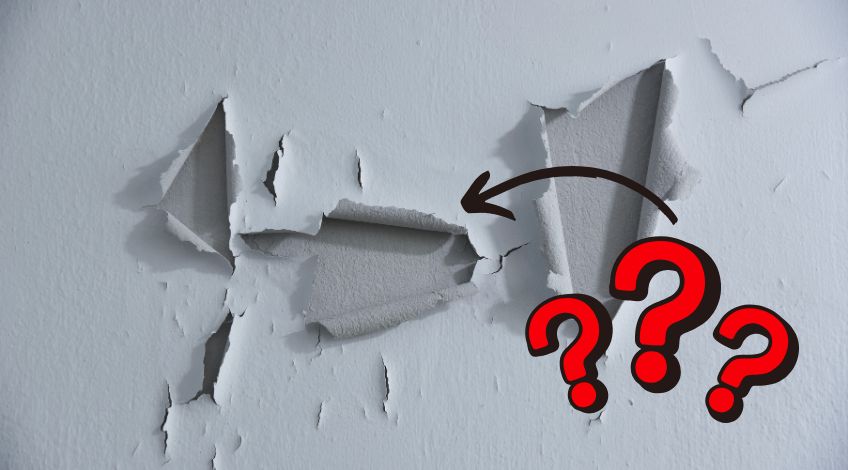
Nothing ruins a freshly painted wall or door faster than peeling paint. You put in the effort, choose the perfect colour and yet weeks or months later, it’s bubbling, flaking or coming off in strips.
If this keeps happening, the problem might not be the paint itself, it could be what’s underneath.
In this article, we’ll walk you through the real reason your paint might keep peeling, how to spot the warning signs and what steps you need to take to stop it for good.
Whether it’s an interior wall or an outside surface, the solution often comes down to something surprisingly simple.
What Causes Paint To Peel In The First Place?
The most common reason paint peels is because the surface wasn’t prepared properly before painting.
In the UK, where we deal with damp walls, older plaster, and a lot of moisture in the air, skipping prep steps leads to big problems later.
Here’s what usually causes peeling:
- Moisture trapped behind the paint (especially in bathrooms or exterior walls)
- Dust, grease or mould left on the surface before painting
- Flaking old paint underneath that wasn’t removed or sealed
- Painting over damp plaster or wood
- Skipping primer on porous or previously untreated surfaces
In short, if paint can’t stick properly to what’s underneath, it’s going to peel off.
Is Cheap Paint To Blame?
Although budget paint might lack the durability of premium brands, it’s not usually the main reason for peeling.
Even the most expensive paint will peel if it’s applied over a badly prepared surface. That said, using the wrong type of paint in moisture heavy areas like kitchens and bathrooms can lead to quicker breakdowns.
Always check the label and use paint designed for the job at hand. For example, bathrooms benefit from moisture resistant paints and kitchens may need something scrubbable.
For exterior jobs, stick with weatherproof paints built to handle the UK’s rain and temperature shifts. Getting the right type of paint makes a big difference in how long it lasts.
How To Tell If Moisture Is The Problem
Moisture is one of the biggest culprits behind peeling paint in UK homes, especially in older properties or rooms with poor ventilation.
Signs of moisture damage include bubbling or blistered paint, flaky patches around windows or near skirting boards and even a musty smell.
You might also see paint peeling on ceilings, particularly in bathrooms or kitchens where steam and condensation build up.
If the wall feels damp to the touch or shows signs of water stains, you’ll need to sort the moisture issue first before reaching for the paintbrush.
Painting over damp surfaces is a short term fix that always leads to long term problems.
How To Stop Paint From Peeling Indoors
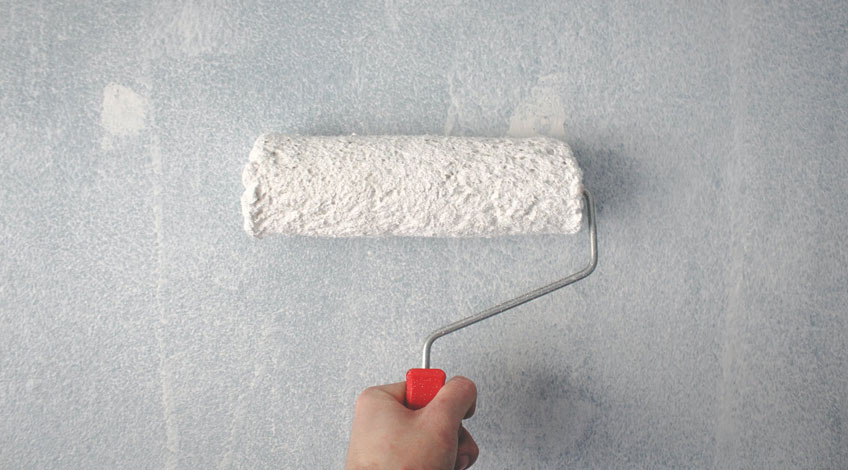
To fix peeling paint and make sure it doesn’t happen again, follow these steps before repainting:
- Remove loose paint using a scraper or wire brush. Sand the edges so the surface is smooth.
- Clean the wall thoroughly with sugar soap or a mild detergent to remove dust, grease and residue.
- Check for damp. If the wall feels cold, damp or smells musty, let it dry completely or fix any leaks before continuing.
- Repair any damage, like cracks or holes, using filler.
- Prime the surface. Use a primer or sealer that suits your wall type, especially on bare plaster or repaired areas.
- Use quality paint that’s suitable for the room, for example, mould resistant paint in bathrooms.
Take your time during prep. Most peeling happens because people rush into painting without fixing what’s underneath.
How To Stop Exterior Paint From Peeling
Peeling paint outdoors is often caused by poor weatherproofing or applying paint to damp or flaking wood. Here’s how to stop it:
- Sand and strip back any peeling areas before repainting.
- Clean the surface, especially window frames, sills and fascia boards, dirt stops paint from sticking.
- Check for rot or water damage and replace wood where needed.
- Use a suitable primer for outdoor wood or masonry.
- Paint on a dry day, avoid cold, damp or humid conditions.
When To Call In A Professional
If the problem keeps returning, it might be time to get a professional in. Peeling paint can be a sign of deeper issues like rising damp, poor ventilation or structural leaks – all of which need proper diagnosis and repair.
A professional decorator will know how to prepare the surface correctly and choose the best materials for your home’s condition.
If you suspect damp or water ingress, a qualified surveyor or damp specialist can assess the situation and recommend solutions.
In older homes, especially in terraced or semi detached properties, damp can travel through shared walls, making expert advice essential.
Know Someone With Flaky Walls? Share This With Them!
If you’ve dealt with peeling paint, you’re not alone. These quick insights explain what’s really going on and what can be done to fix it. Spread the word to help others keep their paint looking fresh!
SEE ALSO: Your Wall Paint Won’t Stick If You Don’t Do This First
Also, follow us on Pinterest ...