They Look Healthy But These 15 Foods Could Be Damaging Your Body
We all want to eat well and make smart choices about what goes into our bodies. But in today’s world of clever marketing and fancy packaging, foods that seem healthy might actually be sabotaging your wellbeing.
If you’re trying to make smarter food choices, watch out for these seemingly innocent foods that could be causing more harm than good. Let’s uncover the truth behind these health food imposters!
1. Flavoured Porridge Packets: Hidden Sugar
That convenient sachet of apple cinnamon porridge might seem like a nutritious breakfast, but the truth might shock you! While plain oats offer fantastic health benefits, the flavoured versions can pack as much sugar as a small dessert.
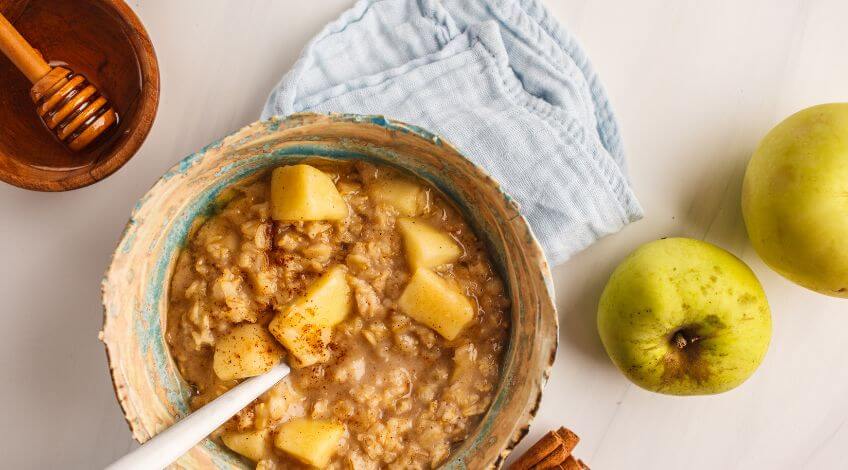
Many popular brands contain 10 to 15 grams of sugar per serving, plus artificial flavourings and preservatives. For a truly healthy breakfast, buy plain rolled oats and add your own natural flavours: fresh fruit, a sprinkle of cinnamon, or a small drizzle of real maple syrup. Your body will thank you for ditching those sugary packets!
2. Bran Muffins: More Calories Than Cake
Grabbing a bran muffin with your morning coffee feels virtuous, but these bakery favourites often hide a disturbing secret. Despite the healthy sounding name, most commercially made bran muffins contain alarming amounts of sugar, refined flour, and unhealthy oils.
A typical coffee shop bran muffin can contain more calories, sugar, and fat than a slice of chocolate cake! If you’re craving that bran goodness, try making your own at home using whole wheat flour, less sugar, and apple sauce instead of butter or oil. Or better yet, enjoy a simple bowl of actual bran cereal with fresh fruit for the fibre without the sugar bomb.
3. Veggie Burgers: Processed Ingredients
Plant based eating is on the rise, but many commercial veggie burgers contain surprising ingredients. Instead of being primarily vegetables, many are made with processed soy protein, excessive amounts of sodium, artificial flavours, and various binding agents and fillers.
Check ingredient labels carefully: vegetables should appear at the beginning of the list, not buried beneath additives. Better yet, make your own veggie patties from black beans, mushrooms, quinoa, and actual vegetables for a truly nutritious plant based option.
4. Deli Meat: High Sodium Content
That turkey sandwich seems like a lean protein option, but processed deli meats typically contain concerning levels of sodium, preservatives, and sometimes even added sugar. A typical 60 gram serving of packaged turkey breast can contain up to 700 mg of sodium, about one third of your daily recommended limit!
Instead of relying on processed meats, try cooking and slicing your own poultry for sandwiches. If that’s too much work, look for low sodium options (under 350 mg per serving) or consider non meat proteins like hummus or eggs for your sandwich fillings.
5. Protein Bars: Sugar Content Problems
That protein bar in your gym bag might be hiding a troubling secret: many popular brands contain as much sugar and calories as a standard chocolate bar! The fitness focused marketing disguises what is essentially a dessert with a bit of added protein.
If you need convenient protein, look for bars with fewer than 200 calories and less than 8 grams of sugar per serving. Better yet, pack real food snacks like hard boiled eggs, Greek yogurt, or trail mix with raw nuts and minimal dried fruit.
6. Multigrain Bread: Not Whole Grain
Terms like “multigrain,” “wheat,” and “7 grain” sound impressive on bread packaging, but nutrition experts warn these labels are often meaningless. Many of these breads are made primarily with refined white flour, with just enough other grains added to justify the name.
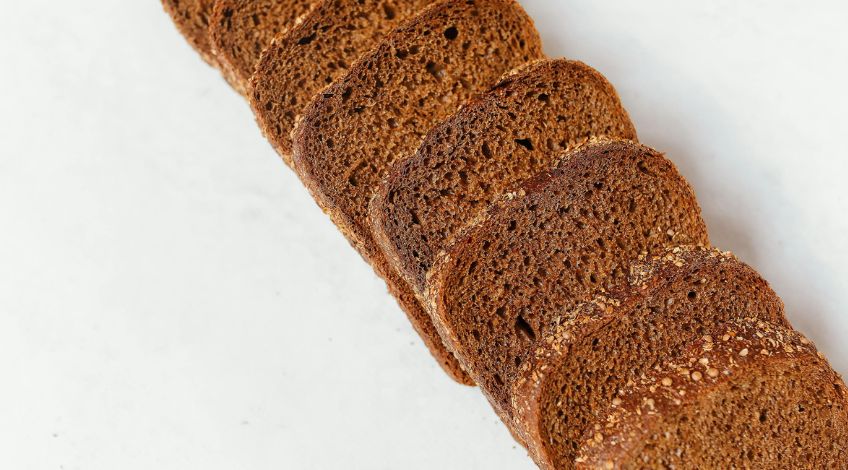
For truly nutritious bread, look at the ingredients list: “whole wheat flour” or another whole grain should be the first ingredient. The word “enriched” before flour indicates it’s been refined and then had nutrients artificially added back, which is not the same as intact whole grains.
7. Reduced Fat Peanut Butter: More Sugar
The “reduced fat” label on peanut butter seems like a healthier choice, but peek at the ingredients and you’ll find a different story. When manufacturers remove the heart healthy natural fats from nuts, they typically add sugar and other fillers to maintain flavour and texture.
The result? Reduced fat peanut butter often has the same calories as regular versions, but with more sugar and less of the beneficial monounsaturated fats. Choose natural, full fat peanut butter with just nuts and perhaps a bit of salt as the only ingredients.
8. Sushi Rolls: Too Much White Rice
Sushi seems like a clean, healthy lunch option, but standard rolls contain surprisingly little fish or vegetables compared to the mounds of white rice. Nutritionists compare a typical California roll to eating two sandwiches filled with imitation crab meat!
When ordering sushi, ask for “naruto” style rolls wrapped in cucumber instead of rice, or request “light rice” in your regular rolls. Fill up on sashimi or edamame to get more protein without excess refined carbs.
9. Rice Cakes: Empty Carbs
Light and crispy rice cakes have long been a staple for dieters, but they offer very little nutritional value. Despite their innocent appearance, they’re carbohydrate dense foods with a surprisingly high glycemic index, meaning they can spike your blood sugar quickly.
A single plain rice cake weighs just 9 grams, yet 80% of that weight is pure carbohydrate. Compare that to a small 170 gram potato where only 23% is carbohydrate! For more nutritious snacking, try apple slices with nut butter, vegetable crudités with hummus, or a small handful of mixed nuts.
10. Green Smoothies: Sugar Overload
That vibrant green smoothie from your local juice bar looks like the epitome of health, but many commercial versions are secretly loaded with fruit juice concentrates, sweeteners, or frozen yogurt. Some “healthy” green smoothies can contain 40 to 60 grams of sugar in a single serving!
Create your own green smoothie at home using mostly vegetables (spinach, cucumber, celery) with just a small amount of fruit for sweetness. Add protein like Greek yogurt or plant based protein powder to make it more satisfying and nutritionally balanced.
11. Trail Mix: Hidden Calories
Commercial trail mix varieties often bear little resemblance to the healthy hiking snack they’re supposed to be. Many contain yogurt covered raisins (extra sugar), deep fried banana chips (added oils), sweetened dried fruits, chocolate pieces, and heavily salted nuts.
Create your own blend with raw or lightly roasted unsalted nuts, a small amount of unsweetened dried fruit, and perhaps a few dark chocolate chips for a treat. This gives you control over the ingredients while still providing a convenient, energy boosting snack.
12. Pasta Sauce: Added Sugar
That convenient jar of pasta sauce might be hiding unhealthy levels of added sugar, sodium, and oils. Some commercial brands contain up to 3 teaspoons of sugar per serving! The irony is that traditional tomato sauce shouldn’t need added sugar at all.

Making your own pasta sauce is surprisingly simple: sauté onions and garlic, add tinned tomatoes, and season with herbs like basil and oregano. If the tomatoes are too acidic, add a small grated carrot for natural sweetness instead of sugar.
13. Spinach Wraps: Fake Vegetable Content
Those green tinted wraps in your supermarket might look packed with vegetables, but don’t be fooled! The actual spinach content is minimal, often just enough to provide the colour but not the nutritional benefits.
Rather than relying on these products for vegetable intake, choose regular whole grain options and add actual spinach when preparing your meals. A handful of fresh spinach in your wrap provides far more nutrition than the green tinted alternatives.
14. Couscous: Refined Carbohydrates
With its fancy name and light, fluffy texture, couscous seems like a sophisticated health food. In reality, traditional couscous is just tiny pasta made from refined semolina flour, offering little more nutritional value than white pasta.
For a genuine nutritional upgrade, choose whole wheat couscous or experiment with actual whole grains like quinoa, farro, bulgur, or barley. These alternatives provide more fibre, protein, and nutrients while still serving as versatile side dishes.
15. Banana Chips: Fried Not Dried
Dried fruit can be nutritious, but banana chips are usually deep fried in oil, making them more similar to crisps than to fresh fruit. A small 30 gram serving can contain around 150 calories, while a medium fresh banana has only 105 calories plus all the natural fibre and potassium without added fats.
If you’re looking for shelf stable fruit options, choose freeze dried bananas (which are dried without oil) or other dried fruits like apples or berries that aren’t typically fried during processing.
Healthier Alternatives That Actually Work
Making truly healthy food choices means looking beyond packaging claims and learning to recognise genuinely nutritious options. Focus on whole, minimally processed foods whenever possible:
- Fresh fruits and vegetables
- Whole grains like brown rice, quinoa, and oats
- Lean proteins including fish, poultry, beans, and eggs
- Healthy fats from avocados, olive oil, nuts, and seeds
- Plain yogurt with live cultures
When buying packaged foods, take a moment to scan the ingredients list. If it contains items you wouldn’t find in a home kitchen or couldn’t easily pronounce, consider whether it deserves a place in your shopping trolley!
Remember, small changes add up over time. You don’t have to transform your diet overnight, but being aware of these common “health food” pitfalls can help you make better choices each day.
Want to help friends and family make smarter food choices too? Share this article with your health conscious group chat or on your social media. Because sharing good nutrition information is one of the best ways we can support each other!
SEE ALSO: 10 Common Air Fryer Mistakes That Are Ruining Your Food
Also, follow us on Pinterest ...