24 Things You Should NEVER Refrigerate
We all want to keep our food fresh for as long as possible, and the fridge seems like the obvious place to store most items. However, some foods actually lose flavour, texture, or even nutritional value when refrigerated.
In some cases, refrigeration can speed up spoilage rather than preventing it. Understanding which foods are best stored at room temperature can help you reduce waste, save money, and enjoy better tasting meals.
What Not To Refrigerate
To make food storage easier, we’ve broken this list into categories, so you can quickly find out which items are best left out of the fridge.
Fruits & Vegetables
1. Tomatoes
Refrigerating tomatoes alters their texture, making them soft and grainy. The cold air also dulls their natural sweetness and flavour. Instead, store them at room temperature in a bowl or basket.
2. Potatoes
Cold temperatures convert the starch in potatoes into sugar more quickly, giving them an unpleasantly sweet taste and a gritty texture when cooked. Keep potatoes in a cool, dark place like a cupboard or pantry.
3. Onions
The moisture in the fridge can make onions soft and mouldy. They are best stored in a cool, dry, and well ventilated space, away from potatoes, which can cause them to spoil faster.
4. Garlic
Refrigerating garlic can cause it to sprout early and become rubbery. Store bulbs in a dry, well ventilated area, preferably in a mesh bag.
5. Bananas
The cold slows down the ripening process and can turn banana skins black. Keep bananas at room temperature until they reach your preferred ripeness.
6. Basil
Like other fresh herbs, basil wilts quickly in the cold and can absorb fridge odours. Store it in a glass of water on your kitchen counter, like a bouquet of flowers.
7. Cucumbers
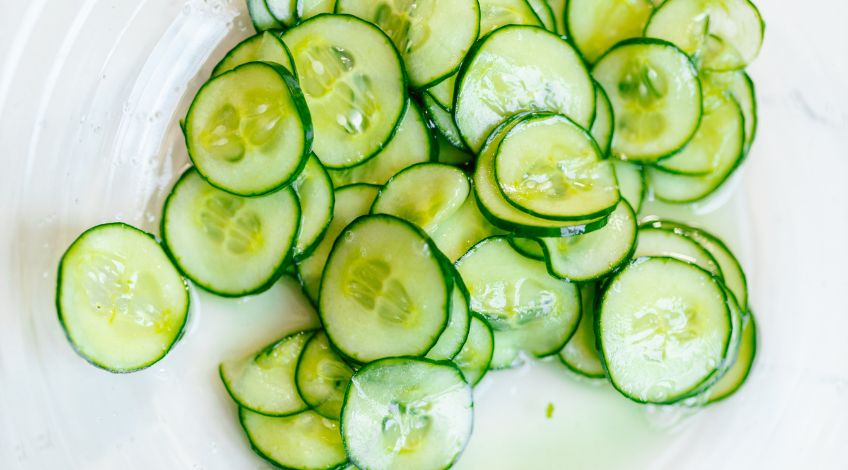
Cold temperatures can make cucumbers watery and pitted. Keep them at room temperature for a crisper texture.
8. Peppers (Bell Peppers, Chilli Peppers)
Refrigerating peppers can make them lose their crunch and flavour. Store them in a dry place on the counter.
9. Stone Fruits (Peaches, Plums, Nectarines, etc.)
If they’re not ripe yet, refrigeration slows the ripening process and can make them mealy. Let them ripen at room temperature first.
10. Citrus Fruits (Oranges, Lemons, Limes, Grapefruits)
Cold temperatures can dull their flavour and cause the skin to harden. They’re best stored in a bowl on the counter.
11. Aubergines (Eggplants)
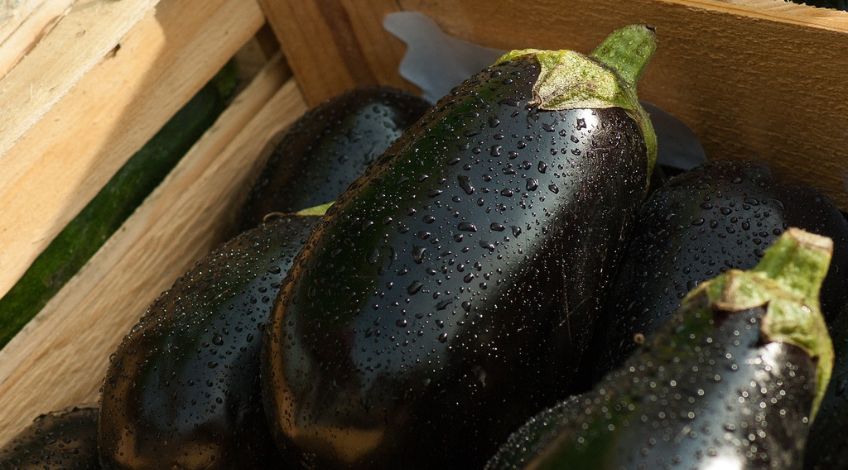
Refrigeration can cause aubergines to become soft and develop brown spots. They are best stored at room temperature in a cool, dry place.
12. Melons (Whole)
Whole melons, such as watermelon, cantaloupe, and honeydew, should be stored at room temperature to maintain their flavour and texture. Once cut, they should be refrigerated.
Pantry Staples
13. Bread
Many people think the fridge keeps bread fresh, but it actually makes it stale faster, making it dry and tough. If you won’t eat it within a few days, freeze it instead.
14. Honey
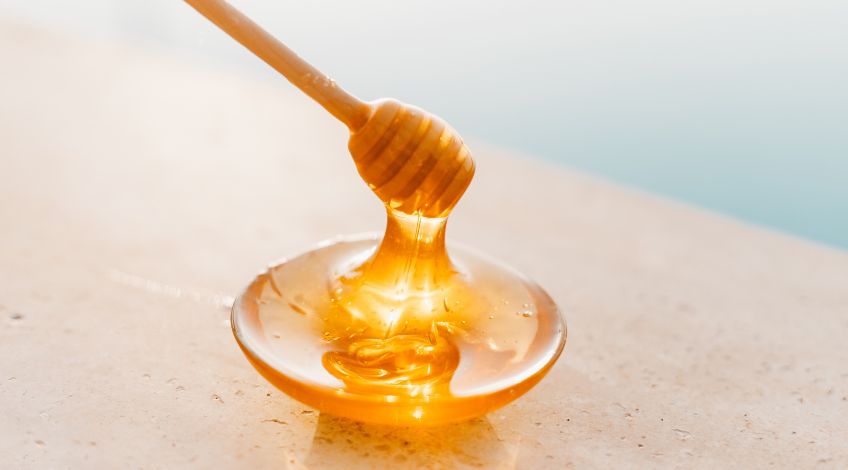
Honey lasts indefinitely at room temperature. Storing it in the fridge can cause it to crystallise and become thick and grainy. Keep it in a sealed jar in the cupboard.
15. Coffee
Both ground coffee and coffee beans absorb moisture and odours from the fridge, which affects their flavour. Store coffee in an airtight container in a cool, dark place.
16. Olive Oil
Refrigeration causes olive oil to become cloudy and solidify. It should be kept in a cool, dark place instead.
17. Chocolate
Refrigeration can cause chocolate to develop a whitish “bloom” due to sugar or fat separation. It’s best stored in a cool, dry place.
18. Dried Fruits
Storing dried fruits in the fridge can introduce moisture, making them sticky and clumpy. Keep them in an airtight container in the cupboard.
19. Nuts
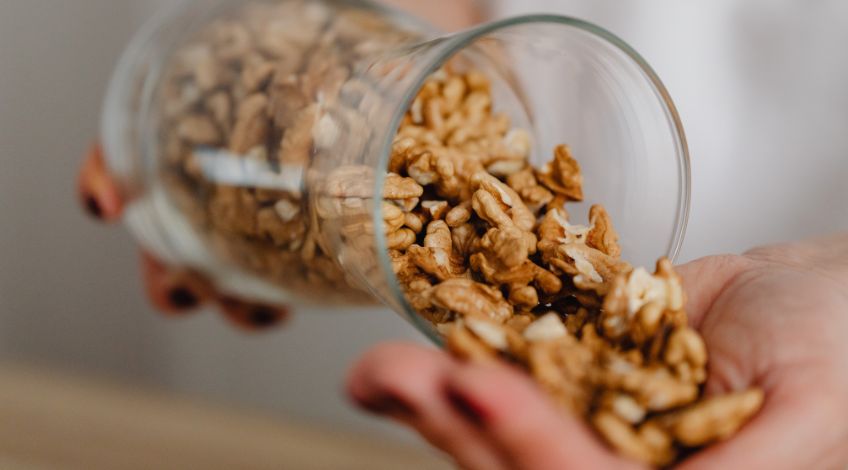
Refrigeration can make nuts absorb fridge odours. Store them in an airtight container in a cool, dry place for freshness.
Condiments & Preserved Goods
20. Peanut Butter
Refrigerating peanut butter makes it hard and difficult to spread. A cool cupboard is the best place to store it.
21. Soy Sauce
With its high salt content, soy sauce doesn’t need refrigeration. A sealed bottle can last for months in a cupboard.
22. Ketchup & Mustard (Unopened Bottles)
Most commercial condiments contain preservatives and are fine in the cupboard until opened. Once opened, check the label for storage instructions.
23. Vinegar
Vinegar is naturally acidic and does not need refrigeration. Keeping it in the fridge won’t extend its shelf life but may alter its flavour.
24. Jams & Preserves (Unopened Jars)
Thanks to their high sugar content, unopened jars of jam and preserves are perfectly fine outside the fridge. Once opened, follow storage instructions on the label.
Not All Foods Need Refrigeration!
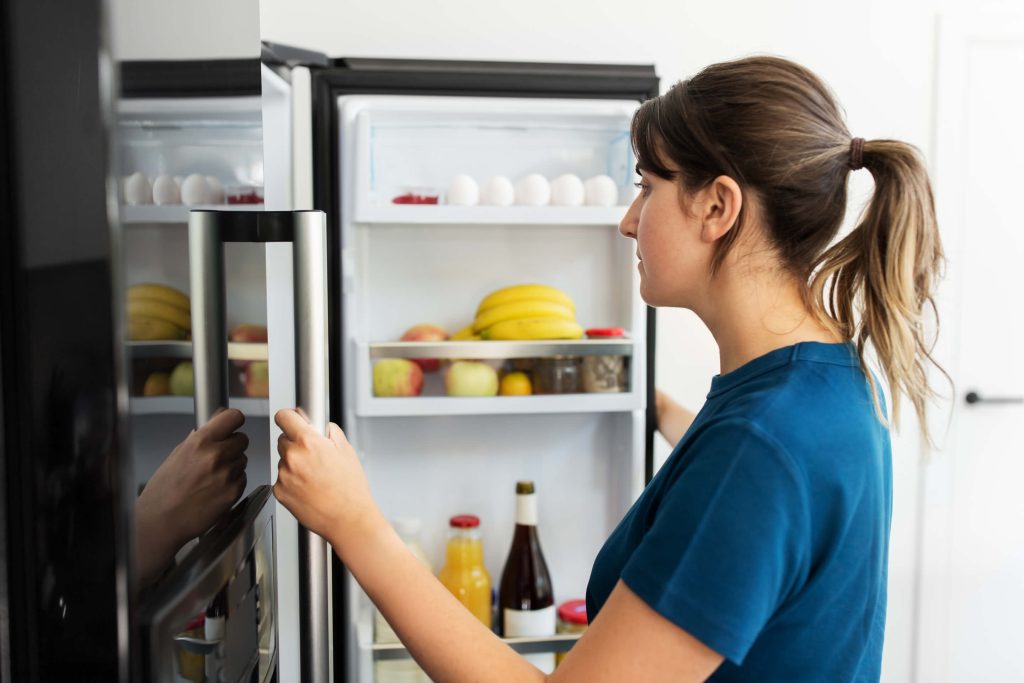
By keeping these foods out of the fridge, you’ll not only preserve their taste and texture but also avoid unnecessary waste. Understanding the best way to store different foods can help extend their shelf life, maintain their quality, and even improve your cooking experience. So next time you’re about to put something in the fridge, think twice, it might be better off at room temperature!
Which of these items do you refrigerate? Do you have any more tips on what not to refrigerate? Let us know in the comments. And don’t forget to share this article with your socials to help prevent others from making the same mistakes.
SEE ALSO: The Ultimate Vegetarian Keto Shopping List
Also, follow us on Pinterest ...