Why Your Honey Turns Crystallised, And How to Fix It Without Losing Flavour
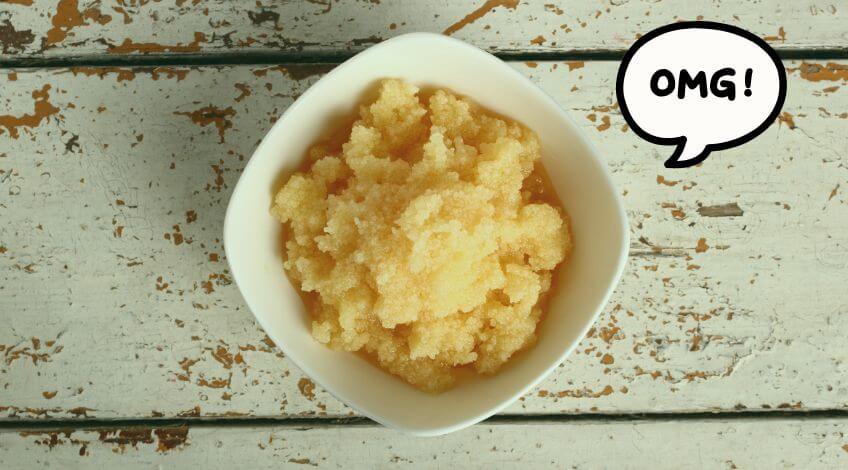
Let’s get one thing straight: if your honey has turned thick and grainy, it hasn’t gone off. In fact, that’s one of the biggest myths around natural sweeteners. For health conscious shoppers stocking up on raw or organic honey, and eco conscious buyers buying in bulk, crystallised honey can be a real head scratcher. The good news is, it’s completely natural, easy to reverse, and doesn’t mean you’ve wasted your money. You just need to know how to treat it right.
If you’re storing jars in the cupboard and wondering why your once golden liquid now looks like wet sugar, here’s what’s actually going on, how to fix it, and how to stop it happening next time.
What Causes Honey To Crystallise?
Honey crystallises because it’s pure. Sounds ironic, but it’s true.
Raw or unprocessed honey contains natural sugars like glucose and fructose, along with trace amounts of pollen, enzymes, and other good stuff. Over time, the glucose in the honey separates and forms crystals. This is even more likely if the temperature drops or if there’s any sort of impurity (even natural ones) acting as a seed to kickstart the crystallisation.
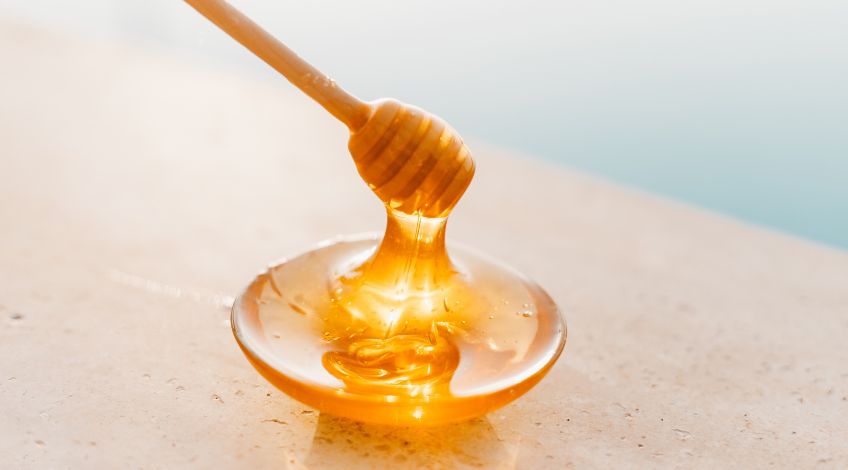
Think of it like this: the more natural the honey, the more likely it is to turn solid in cooler conditions. That plastic bottle of runny supermarket honey? It’s likely been heat treated and filtered, which delays crystallisation but at the cost of some of the nutrients.
Is Crystallised Honey Safe To Eat?
Absolutely. It’s the same honey, just in a different form.
The taste is still there. The nutrients are still there. And some people actually prefer the grainy texture, especially when spreading it on toast or stirring it into yoghurt. So, unless you’re using honey as a drizzle or in tea and prefer it smooth, there’s no need to fix it at all.
But if you do want it runny again, keep reading.
How To Fix Crystallised Honey Without Losing Flavour
Here’s how to bring your honey back to life without destroying its natural properties:
1. Warm Water Bath Method (Best For Preserving Nutrients)
Place the honey jar (make sure it’s glass, not plastic) into a bowl or saucepan of warm water. Let it sit for about 15 to 30 minutes, stirring occasionally. The crystals will slowly dissolve, and your honey will return to its original smooth texture.
Avoid boiling water. You’re not trying to cook the honey, just gently warm it. High heat can kill off the enzymes and antioxidants that make raw honey worth buying in the first place.
2. Sunlight Trick
If you’ve got patience, leave your jar on a sunny windowsill for a few days. The gentle warmth will slowly liquify the honey without needing any extra effort. This works best in warmer months or if your home gets decent natural light.
3. The Slow Cooker Hack (For Bulk Jars)
Bought honey in bulk and the whole thing’s turned solid? Place the sealed jar in a slow cooker filled halfway with water. Set it to the lowest heat for a couple of hours. Check and stir every so often.
This method is perfect if you’ve stocked up on raw honey from the farmer’s market or your local refill shop.
How To Stop Your Honey From Crystallising In The First Place
While crystallisation is natural, there are a few things you can do to slow it down:
- Store At Room Temperature
Fridges are not honey friendly. They speed up the crystallisation process. Keep your honey in a cupboard away from direct sunlight and moisture. - Use Glass Jars, Not Plastic
Glass does a better job at maintaining a steady temperature. Plus, it doesn’t leach any chemicals or allow moisture in, which helps preserve the honey’s quality. - Keep The Lid Tightly Sealed
Moisture can accelerate crystallisation. Always close the lid properly after each use. If you’re scooping it out with a spoon, make sure it’s dry. - Stir It Occasionally
It sounds weird, but giving your honey a little mix now and then can help break up early crystal formations.
Does Heating Honey Destroy Its Nutrients?
Yes, if you’re too aggressive with it.
Honey starts to lose some of its nutritional value at temperatures over 40°C. That’s why gentle warming methods are key. Avoid the microwave and boiling water. Think of a warm bath rather than a hot kettle!
If you found this guide helpful, share it with your eco minded friends or anyone who’s ever panicked over a cloudy jar of honey. A few small changes can go a long way in saving time, flavour, and money!
SEE ALSO: What Happens When You Don’t Clean The Machine That Cleans Your Dishes
Also, follow us on Pinterest ...