Why You Should Stop Using Olive Oil For High Heat Cooking
Olive oil has long been a kitchen favourite across the UK. It’s heart healthy, flavourful and perfect for dressings, dips and light sautéing.
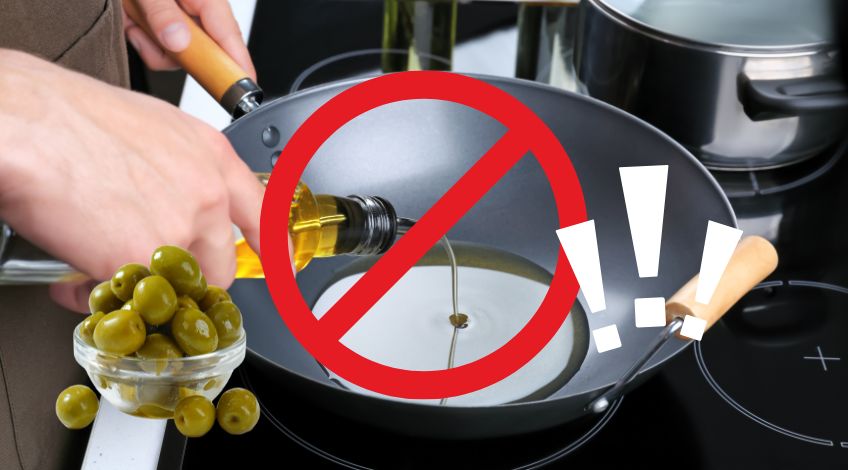
But when it comes to high heat cooking, like frying or roasting at high temperatures, olive oil might not be the best choice and here’s why.
If you’ve been reaching for olive oil every time you heat up the pan, this guide will explain what happens when you cook it past its limit and why switching to a better suited oil can make your food taste better and keep your kitchen safer.
The Smoke Point Matters More Than You Think
Every oil has a smoke point, the temperature where it starts to burn and break down.
For extra virgin olive oil, that point is relatively low, typically around 190°C to 210°C, depending on the quality and processing. Once the oil reaches that point, it begins to:
- Smoke and release unpleasant smells
- Break down its nutrients
- Produce harmful compounds
In high heat cooking methods like searing, stir frying or roasting above 220°C (common in many UK fan ovens), you’re likely pushing olive oil past its safe limit.
When this happens, not only does it affect the flavour, but it also creates potentially harmful by products like acrolein, which can irritate the eyes and throat and make your food taste burnt.
Olive Oil Loses Its Nutrients At High Temperatures
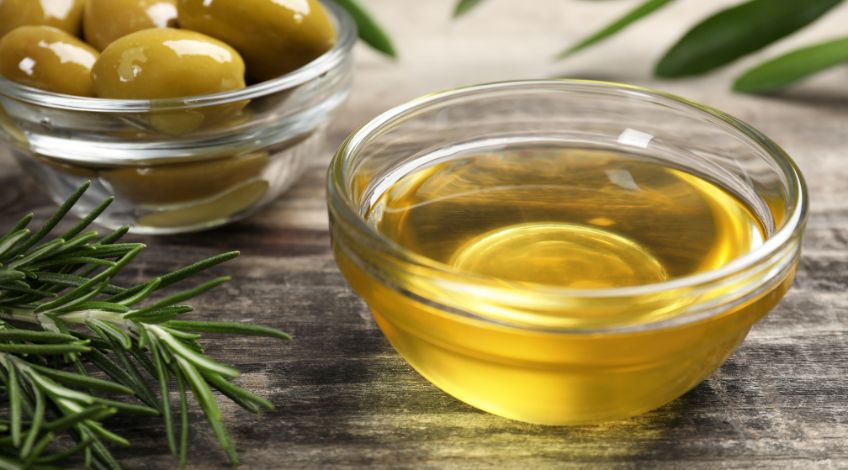
One reason people love olive oil is for its healthy fats and antioxidants, especially in extra virgin varieties. But when you expose it to high heat, those beneficial polyphenols and vitamins start to break down.
So while olive oil is still better than heavily processed oils in terms of fat content, using it at high heat actually cancels out many of the reasons you chose it in the first place. You’re essentially wasting its nutritional benefits if you’re heating it past its smoke point.
For example, if you’re roasting vegetables at 230°C or pan frying steaks on high, you’re better off using an oil that can take the heat without losing its structure.
What Happens To The Flavour?
Aside from health reasons, high heat changes the flavour of olive oil and not in a good way. Instead of that grassy, peppery taste we love in extra virgin olive oil, heating it too much can make it taste bitter, sour or burnt.
This can also ruin the taste of your food. Roasted veg might come out with a strange aftertaste, and pan fried chicken may taste smokier than intended and not in the delicious, charred kind of way.
In short, if you’re using high quality olive oil, you’re wasting its flavour by overheating it. Keep it for drizzling or low to medium heat cooking, where it shines best.
Better Oils For High Heat Cooking In The UK
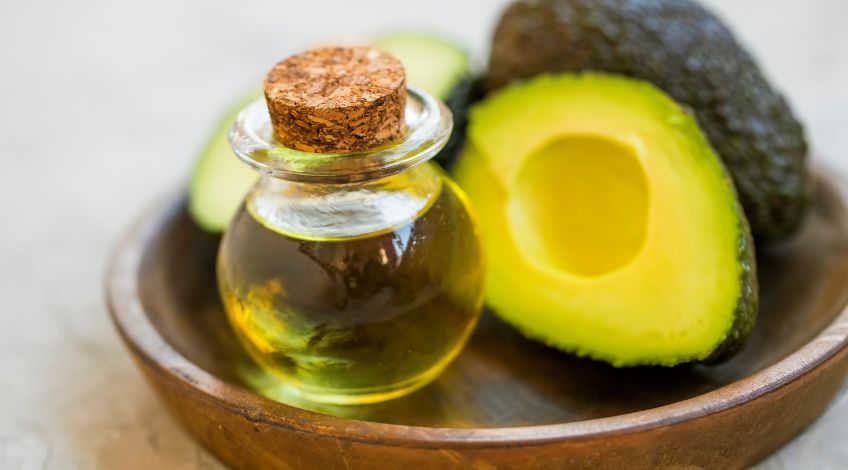
Not all oils are created equal. For cooking methods that involve high temperatures like frying, roasting or even using a cast iron pan, it’s best to switch to oils with a higher smoke point.
These include:
- Rapeseed oil (often sold as vegetable oil in the UK)
Smoke point around 220-230°C. Neutral taste and widely available. - Avocado oil
Higher smoke point of around 270°C, though it can be pricier. - Sunflower oil
Common in UK homes, with a smoke point around 230°C. - Refined olive oil (not extra virgin)
Slightly higher smoke point than extra virgin, but still not ideal for the hottest cooking.
These oils are better suited to high heat tasks and won’t break down as quickly, keeping your food tasting clean and crisp without the burnt undertones.
Share This Cooking Tip With Friends Who Use Olive Oil!
This important advice is perfect for anyone who regularly cooks with olive oil. Post it on social media to help others understand why it might not be the best choice for high heat cooking!
SEE ALSO: Can You Put Oil In An Air Fryer? (best & worst types)
Also, follow us on Pinterest ...