Stop Cooking These in Cast Iron Before It’s Too Late
If you’ve been throwing everything into your cast iron skillet without a second thought, you might be unknowingly destroying your beloved pan. These heavy duty workhorses are brilliant for so many things, but certain foods can strip away that precious seasoning you’ve worked so hard to build up.
Whether you’re a seasoned cast iron enthusiast or someone who’s just discovered the joys of proper searing, knowing what NOT to cook will save you from ruined dinners and expensive mistakes. The last thing you want is to scrub away months of careful seasoning because you didn’t know better.
Let’s sort out which foods are secretly sabotaging your skillet, so you can keep it in perfect condition for decades to come.
Acidic Foods That Strip Away Your Pan’s Protection
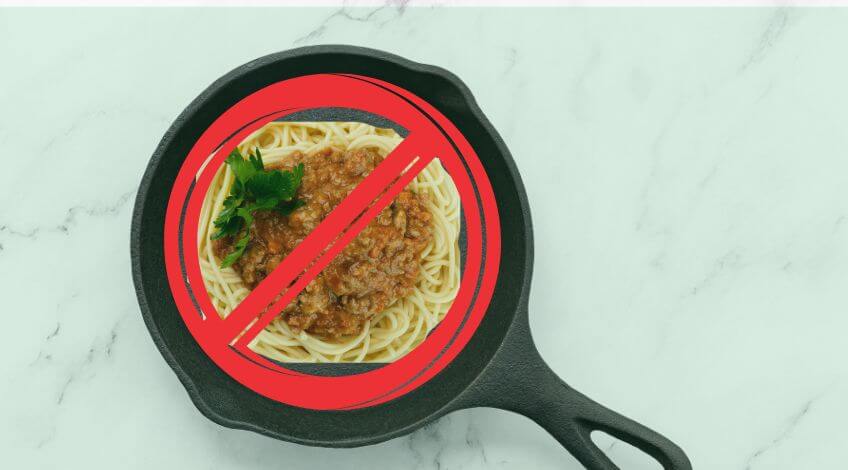
Here’s the thing about tomatoes, wine, and citrus: they’re absolutely brilliant in cooking, but they’re your cast iron’s worst enemy. These acidic ingredients don’t just sit there politely, they actively attack the seasoning that keeps your pan non stick and rust free.
That lovely bolognese you’re planning? It could undo months of careful seasoning work. When acid hits the iron surface, it starts breaking down the protective layer that prevents sticking and rust. You might notice your food tastes slightly metallic, or your pan starts looking patchy and dull.
Acid reacts with iron at a molecular level, gradually eating away at your seasoning. It’s like using harsh chemicals on your car’s paintwork, eventually you’ll damage the finish completely. If you can taste metal in your food after cooking something acidic, that’s iron leaching into your meal. Not exactly appetising, is it?
Save the pasta sauce for your stainless steel pan. It handles acids beautifully without any drama, and your cast iron stays perfect for what it does best.
Sticky Food That Turn Into Cleaning Nightmares
Nothing ruins a lovely breakfast quite like scrambled eggs welded to your pan. Even well seasoned cast iron can struggle with certain sticky foods, leaving you with a mess that takes ages to clean properly.
Eggs contain proteins that bond with iron when they hit a hot surface. Unlike non stick coatings that physically prevent adhesion, cast iron relies entirely on that seasoning layer to create a barrier. If that barrier isn’t absolutely perfect, you’re in for serious scrubbing.
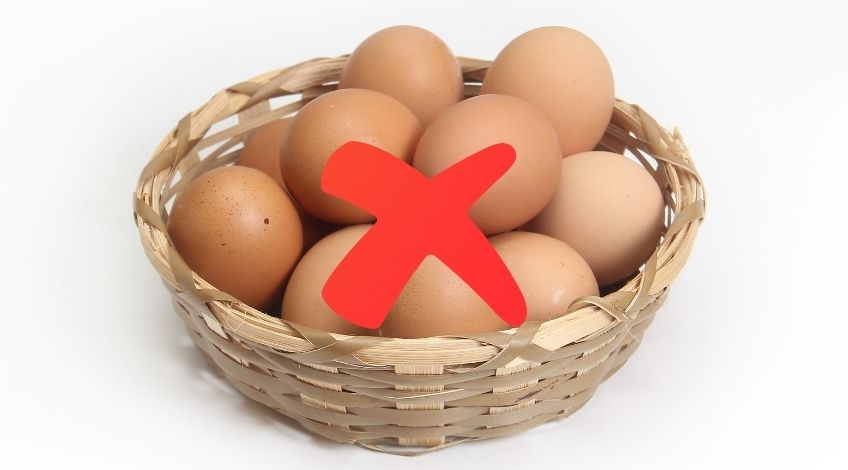
Most people cook eggs too hot in cast iron. These delicate proteins need gentle heat, but cast iron gets blazing hot and stays that way. It’s like trying to cook with a blowtorch when you need a gentle flame. Your pan needs time to develop that mirror smooth surface. Until then, eggs will find every tiny imperfection and stick to it like glue.
Stick to your regular non stick pan for eggs until your cast iron technique improves. Your breakfast will be stress free, and your pan won’t suffer.
Melted cheese is delicious until it cools down and turns into concrete on your pan. Whether it’s a grilled cheese sandwich or a cheesy pasta bake, these dishes can leave behind sticky, burnt residue that’s nearly impossible to remove. Scrubbing burnt cheese risks damaging your seasoning. You’re stuck between a rock and a hard place: leave it dirty or potentially ruin your pan trying to clean it.
Use parchment paper or cook cheesy dishes in enamelled cast iron instead. You get the heat benefits without the cleaning drama.
Strong Flavours That Haunt Your Next Meal
Cast iron has an excellent memory for flavours, unfortunately that’s not always a good thing. Certain ingredients can leave their mark for several cooking sessions, turning your next meal into an unwelcome surprise.
Ever made chocolate brownies that tasted faintly of last night’s curry? Cast iron is slightly porous, especially when newer, so powerful flavours can penetrate deep into the surface and seasoning. You spend ages making beautiful pancakes for Sunday breakfast, only to discover they taste like the fish you cooked yesterday. Not exactly the family meal you were hoping for!
Strong garlic, powerful spices, and aromatic fish can stick around for days. Even after washing, you might still smell traces of previous meals. Pop your empty pan in a 200°C oven for ten minutes after cooking anything particularly fragrant. The heat burns off most lingering smells, but prevention is always easier.
Delicate Foods That Fall Apart In Cast Iron
Cast iron’s superpower is intense, even heat. This is brilliant for searing steaks, but it’s a disaster for anything that needs a gentle touch.
Your beautiful piece of sole or plaice deserves better than the harsh treatment cast iron delivers. These thin, delicate fish need controlled, gentle heat that cast iron simply can’t provide. Cast iron gets incredibly hot and stays that way. Delicate fish will overcook on the outside while staying raw in the middle, plus the rough surface often causes fragile fillets to fall apart when you try to flip them.
Salmon, tuna, and other thick, meaty fish actually love cast iron. Their robust texture can handle the intense heat, and you’ll get gorgeous crispy skin. A quality non stick or stainless steel pan gives you the temperature control that delicate proteins require.
Sweet And Sticky Sauces That Damage Seasoning
Honey, maple syrup, and sweet barbecue sauces might taste amazing, but they can seriously damage your cast iron. These sticky ingredients caramelise at high temperatures and bond permanently to your pan’s surface. Sweet sauces don’t just stick, they bake on at high temperatures and become nearly impossible to remove. Scrubbing them off risks taking your seasoning with them.
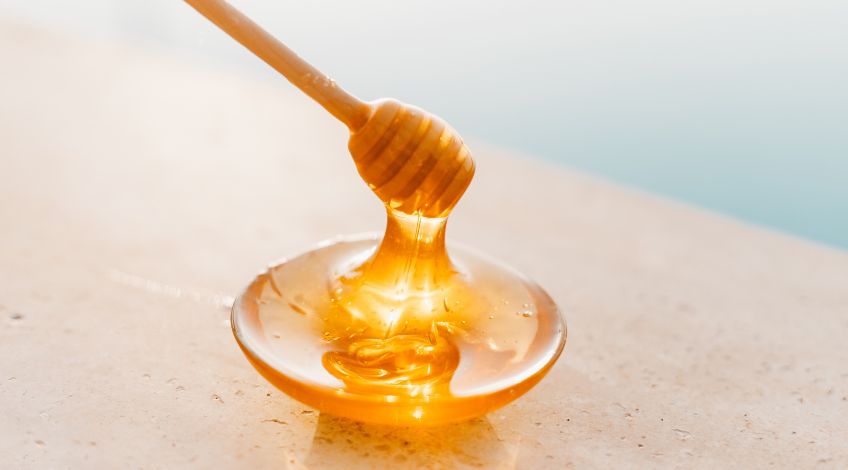
When sugar caramelises, it becomes incredibly hard and can actually chip away at your seasoning layer. It’s like having tiny pieces of glass stuck to your pan. Use enamelled cast iron for sweet and sticky dishes. You get the same heat retention without risking your carefully built seasoning.
What Your Cast Iron Actually Wants To Cook
Instead of fighting your pan’s nature, work with what it does brilliantly. Cast iron excels at high heat cooking and anything that benefits from serious browning. Steaks, chops, roasted vegetables, cornbread, and seared chicken are perfect matches. These foods love the intense, even heat that cast iron provides.
That gorgeous caramelisation on your roast potatoes? That’s cast iron doing what it does best. The high, stable heat creates proper Maillard reactions that add incredible flavour. From stovetop to oven without missing a beat. Perfect for dishes that start with searing and finish with roasting.
Smart Alternatives For Problem Food
You don’t need to avoid these ingredients entirely, just cook them in the right tool for the job. Stainless steel handles tomatoes, wine, and citrus without any fuss. Cook your marinara there and save the cast iron for garlic bread. Non stick pans make eggs, pancakes, and delicate fish stress free. Master your cast iron technique first, then experiment.
Enamelled cast iron gives you heat retention benefits without seasoning worries. Perfect for sweet sauces and cheesy dishes.
Testing something with strong flavours? Try it in a different pan first. Once you know you love it, decide if it’s worth the potential flavour transfer.
Keep Your Cast Iron Happy For Decades
Every cast iron expert has made these mistakes. The difference is learning from them and adjusting your approach rather than giving up. Your cast iron isn’t trying to replace every pan in your kitchen. It’s the heavy duty specialist that handles tough jobs while other pans tackle delicate work.
With these guidelines, you’ll avoid the pitfalls that trip up most cast iron users. Your pan will reward you with years of brilliant cooking and increasingly better performance as that seasoning builds to perfection.
Share this with anyone who’s battling their cast iron, because nobody should have to learn these lessons through ruined breakfasts and damaged pans!
SEE ALSO: Blocked Drains? This DIY Cleaner Will Save You a Fortune!
Also, follow us on Pinterest ...