You Won’t Believe Which Mouldy Foods Are Actually Safe to Eat!
The thought of eating mouldy food makes most people feel ill. For most of the time, that’s a reaction based on survival because many types of mould can produce harmful toxins.
Some mouldy food tastes bad, the texture is all wrong and it looks awful with those green or white patches. However, not all mould is bad. In fact, certain types of mould are used to produce certain foods like blue cheese for example.
In this article we’ll be taking a closer look at mould in food and finding out which is bad for you and which is OK to eat. Keep reading to find out all you need to know about mould on food.
What Exactly Is Mould?
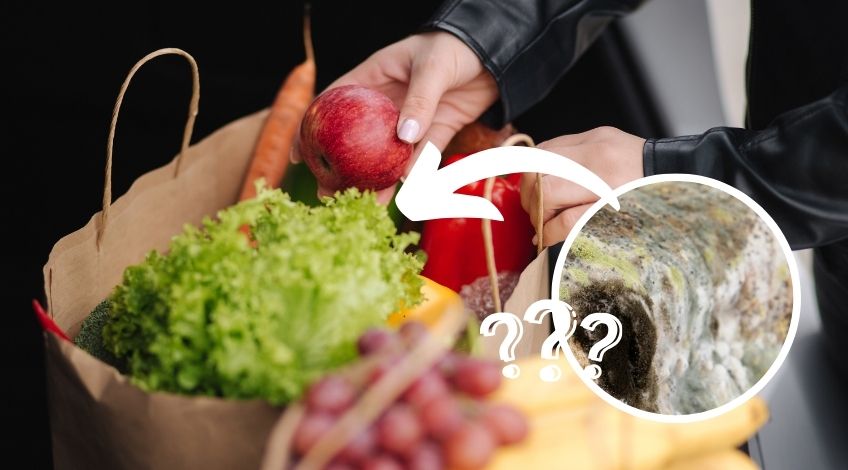
Mould is a fungus that forms thread like structures which are visible to the human eye when present on food. It will almost certainly change the appearance of the food.
The food will change colour and become soft. The mould can either appear as a fluff-like texture or have a dusty appearance. The mould spores can be black, grey, green or white and the food will taste similar to the taste of dirt. Plus the food will smell bad as well.
The problem with this type of mould is that even if you can only see it on the surface of the food, its roots could have travelled far into the food. To thrive and survive, mould needs moist, warm organic material which is why it’s often present on food.
There are literally thousands of different moulds in existence and they can be found in pretty much every environment you can think of. Mould is the way that nature recycles old discarded foods.
The best ways to prevent mould from damaging food are freezing, drying and pickling. This stops the mould spores from growing and stops the microbes that create spoilage in food. Of course, not all foods can be frozen, dried or pickled which is why mould becomes a problem.
Can You Tell If Mould Is Harmful Just By Looking at It?
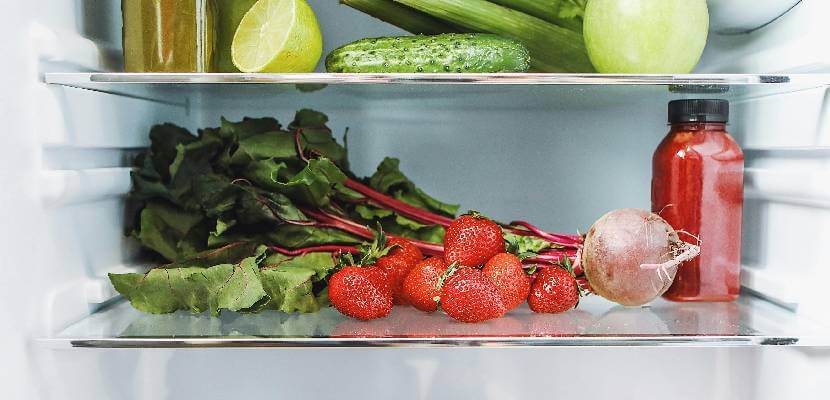
Unfortunately, you can’t always tell if mould is dangerous simply by its appearance. While green, blue or white moulds may seem less threatening than black ones, the colour alone doesn’t determine toxicity.
Some of the most harmful moulds produce invisible mycotoxins, toxic compounds that can remain in food even after visible mould has been removed. That’s why the general advice is to play it safe and discard soft or porous foods that show any signs of mould.
What Are Mycotoxins?
Mycotoxins are toxic substances produced by certain moulds. They can cause a range of health issues including digestive problems, kidney damage and in extreme cases, cancer.
One of the most concerning mycotoxins is aflatoxin, which is commonly found in mouldy nuts, grains and maize. While proper food storage can help reduce the risk, it’s worth being cautious, particularly if you live in a warm, humid environment where mould is more likely to thrive.
What Type Of Foods Can Get Mould?
Almost all types of food can become a breeding ground for mould but some types of food are more likely to get mould growth than others. Any fresh food which has a high water content is most vulnerable to mould growth and preserved foods are less likely.
The thing is, mould doesn’t only grow on food at home, it can start to grow during the food production process as well. This includes the growing stage, the harvesting stage, during storage and during processing.
Which Common Foods Are Susceptible To Mould Growth?
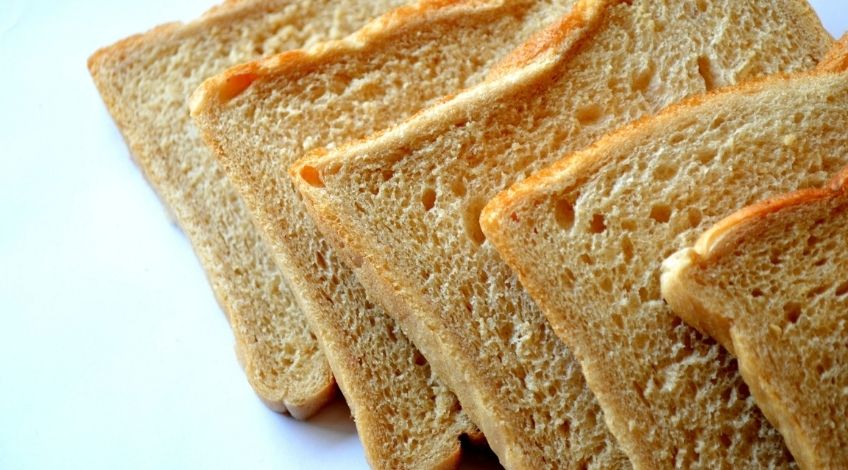
As we said earlier mould can grow on pretty much all types of food but some are more likely to get mould growth. They include;
- Fruit
Fruit like strawberries, raspberries, grapes, oranges & apples - Vegetables
Vegetables including carrots, cauliflowers, bell peppers & tomatoes - Cheese
Mould can affect both soft cheeses and hard cheeses - Bread
Particularly bread that doesn’t contain any preservatives
Mould growth isn’t limited to these food types, it can grow on other foods including; nuts, milk, meat and processed foods. To survive, most moulds require oxygen so they don’t usually grow where oxygen is in short supply.
This is why many foods are packed in airtight packaging to prevent mould from growing. However, once that packaging has been opened, mould will start to form in a short while.
Most types of mould also need moisture to grow, however, there are certain types of mould that can grow in dry, sugary environments. These moulds are known as Xerophilic moulds and are found in chocolate, baked goods and dried fruits.
Mould’s Not The Only Problem
Along with mould spores, our food can become contaminated with bacteria too. This can be very problematic and can cause illness. If you consume food that has been infected with bacteria, you’re likely to suffer from nausea, vomiting and diarrhea.
The type of bacteria present dictates just how severe the illness becomes. Another factor is the amount consumed.
What Should You Do If Mould Is Present In Your Food?

If you do find mould in your food, it depends on the type of food as to what action you should take. For instance;
What to Do If You Find Mould In Soft Food
As a general rule, if you find mould present in any soft foods, you should throw them away. This is because soft food has a high moisture content which means mould can grow easily and spread quickly below the surface. Added to which, bacteria can also be growing alongside the mould.
What to Do If You Find Mould In Hard Food
Hard foods like hard cheese with mould growth are safe enough to just cut off the affected piece. This is because with hard food the mould cannot penetrate too far below the surface.
As a general rule, you should cut away around an inch (2.5 cm) or so deep just to be sure all of the mouldy area has been removed and the remaining food can then be safely consumed. Having said that, if the food is completely covered with mould it’s best to throw it away.
Another tip is that you should never smell mould as it can cause respiratory problems.
Which Foods Can You Eat Once They Have Mould Growth?
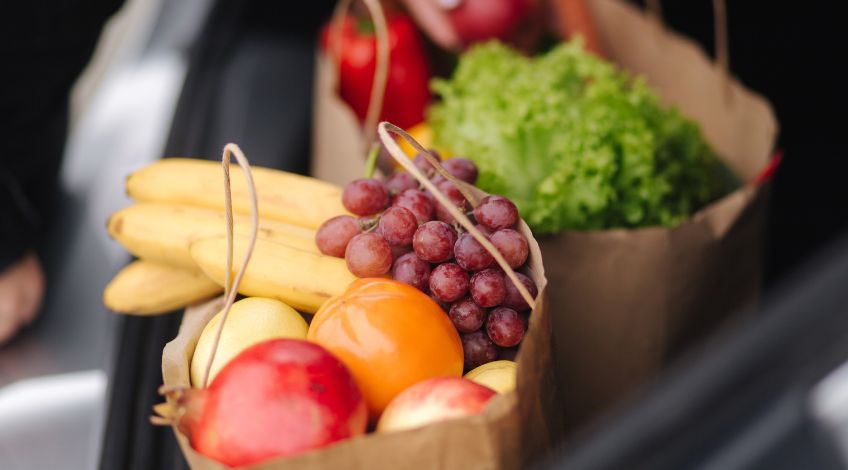
Let’s look at types of food that can be used once the mould has been cut away. They include;
- Hard Fruits & Vegetables
Including, apples, carrots, cabbage & bell peppers - Hard Cheese
Including cheddar, gruyere and cheeses that use mould as part of the processing like gorgonzola. - Dry Cured Hams & Salami
Make sure it’s the hard type of salami
When you’re cutting away any mould, be sure to cut at least an inch (2.5 cm) around and below the mould. You should also not touch the mould with the knife as this leads to spreading the mould spores even further into the food.
Once you have successfully cut away the mouldy cheese, the rest should be covered with a fresh wrap to exclude air as much as possible.
With hard salami and cured meats, simply scrub the mould from the surface and the rest can be eaten.
Hard fruits and vegetables should be treated in much the same way as hard cheese and the mould should be cut away at least an inch (2.5 cm) all around and under the mould without allowing the knife to touch the mould.
Which Foods Should You Throw Once They Have Mould Growth?
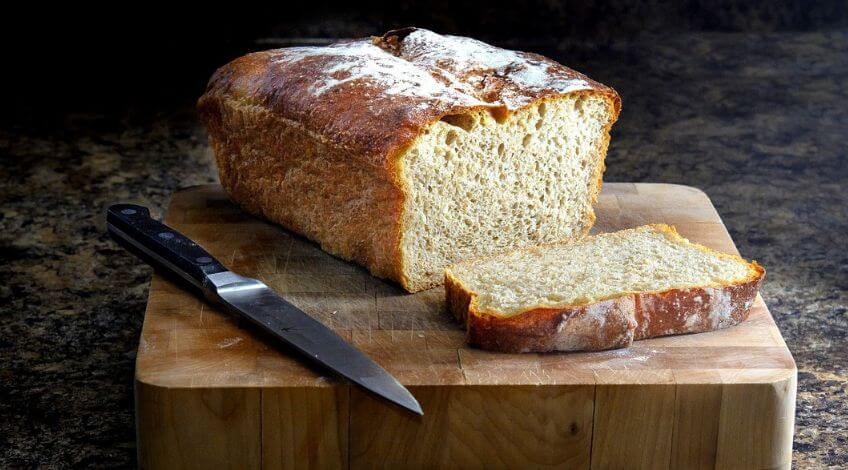
Foods that are considered to be soft foods should always be thrown out once mould appears. This includes;
Bread & Pastries
The problem with bread and pastry products is that mould could have penetrated deep under the surface. Freshly baked breads, cakes and pastries which don’t have any preservatives are especially prone to mould growth and should all be thrown once mould appears.
If you want to keep bread fresh for longer, you should freeze it or place it in a breadbin. You can eat stale bread if you want to or turn it into breadcrumbs but not if it has any sign of mould growth.
Soft Cheeses
Soft cheeses including; Camembert, Brie, ricotta, cream cheese and cottage cheese should be thrown away as soon as any mould appears. This also applies to yogurt and sour cream as well.
This is because along with the mould, bacteria is almost certainly present. In fact there is a high chance of salmonella and listeriosis microbes in mouldy soft cheeses.
Cooked Meats
Any mould growth spotted on hot dogs, bacon or other leftover cooked meats is a sign that they should be thrown away.
Soft Fruits & Vegetables
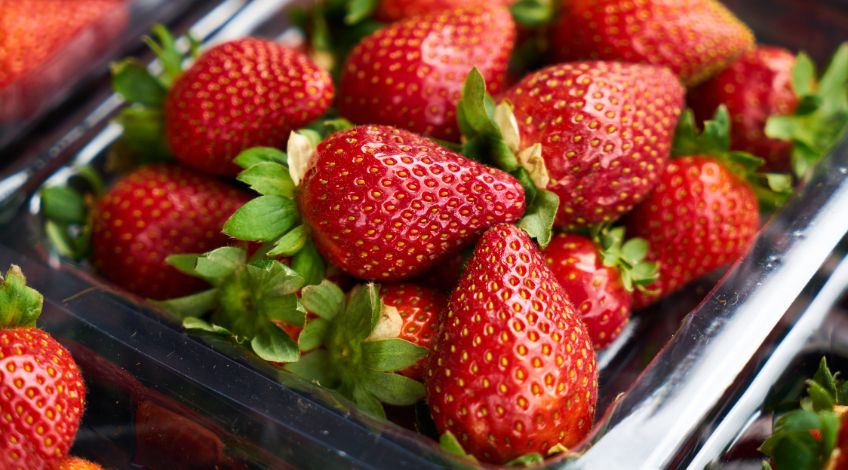
Eating soft fruits with mould isn’t safe. This includes strawberries, raspberries, peaches, nectarines and cucumbers. This is because even if you remove the mould from the surface and into the fruit, it will already have penetrated deep within the fruit.
Even jams and jellies that have visible mould on the surface should be thrown out.
If your salad leaves have turned slightly wilted, they are OK to consume but if they are slimy, they should be discarded. In fact, any slimy fruits or vegetables should be thrown away.
Nuts & Nut Spreads
Any nuts that have mould growth should be discarded and this includes nut spreads and nut butters. Any spreads made without preservatives are likely to develop mould and should be stored in the fridge after being opened to slow the growth rate down.
Is Mouldy Food Always dangerous?
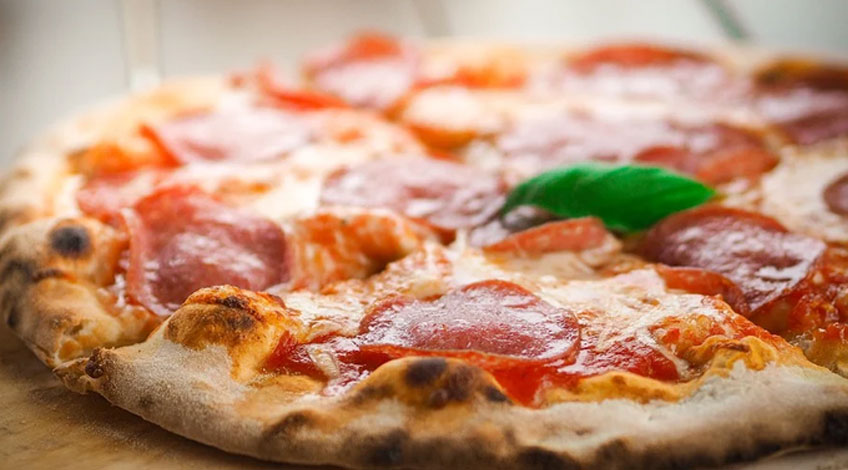
Not all mould is bad for humans to consume, for instance, beer and pizza would never have existed without a form of fungal growth. Also some of our favourite foods are produced using mould. For instance, penicillium roqueforti is responsible for giving blue cheeses like Roquefort and stilton those blue veins.
There’s also another type of mould called botrytis cinerea which is used in the production of wine. But that doesn’t mean we can eat anything that displays signs of mould growth.
There are different strains of mould which all have a different effect on the human body. If you have an allergy to a particular type of mould you need to be careful. In other words, some moulds are OK to eat while others can be toxic with harmful or even fatal results if consumed.
The food standards agency (FSA) says that you shouldn’t eat any food containing mould. They go on to say that this is especially true for vulnerable groups of people including children, the elderly and those with a weakened immune system.
Is It Possible To Prevent Food From Going Mouldy?
While it’s not possible to prevent food from going mouldy, it is possible to slow the process down. As we said at the beginning of this article, mould prefers damp, warm conditions to grow on food. Having a clean, dry, well ventilated kitchen helps to reduce mould growth on food.
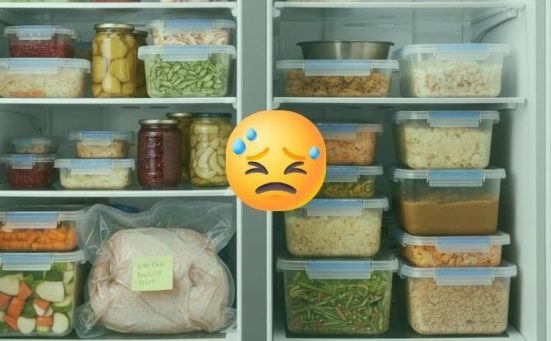
Plus, the way food is stored has a great impact on reducing mould growth. Keeping foods in airtight containers is a great way to slow down mould growth.
Tips For Storing Food To Prevent Mould Growth
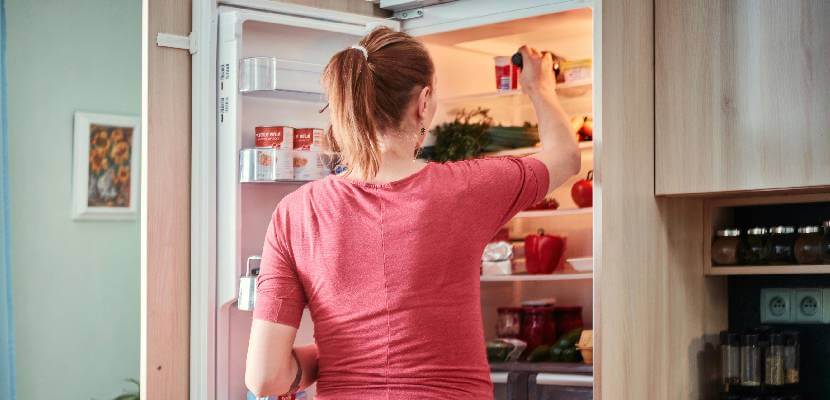
Here are a few simple steps to help reduce mould development on food in the home;
- Keep the fridge temperature below 5°C
This slows down both mould and bacterial growth. - Use airtight containers
Especially for leftovers, bread, cheese and opened sauces. - Wipe down shelves regularly
Fridges and cupboards can harbour mould spores if not kept clean. - Don’t wash produce until you’re ready to eat it
Excess moisture encourages mould growth. - Check expiry dates
Especially on dairy products and cooked meats, which spoil quickly. - Keep an eye on condensation
Dampness in cupboards or pantries can raise humidity levels and promote mould.
When In Doubt, Throw It Out
It can be tempting to cut corners and save a bit of food that’s slightly past its best, especially if money is tight. But if there’s any uncertainty about whether mould has penetrated the food, or if it smells off, it’s safest to throw it away.
No amount of savings is worth the risk of illness.
SEE ALSO: The Hidden Causes Of Bad Smells In Your Home (And How To Fix Them Fast!)
Frequently Asked Questions
No, you cannot eat soft cheese if it has mould on it. Soft cheeses like Brie or ricotta should be thrown away if any mould is present, as harmful bacteria may also be growing.
If you find mould on hard cheese like cheddar you should cut at least an inch (2.5 cm) around and beneath the mouldy area, making sure the knife doesn’t touch the mould.
Mould thrives in warm, moist environments and on organic materials like food.
Also, follow us on Pinterest ...