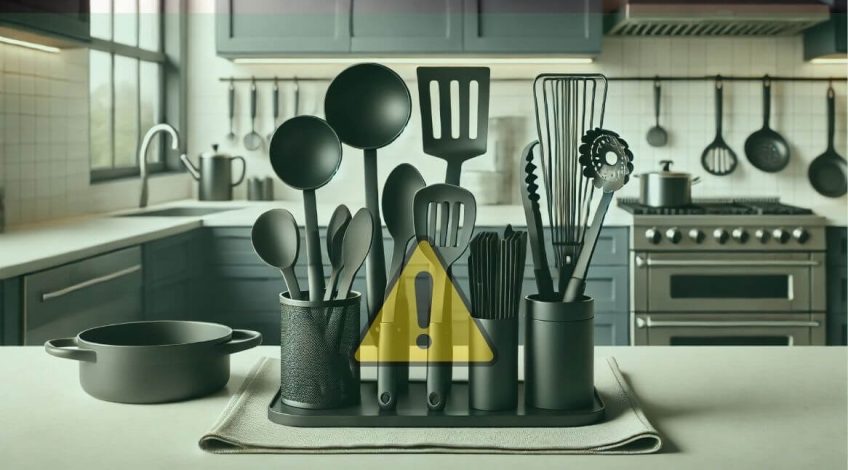
Are Black Plastic Kitchen Utensils Toxic?
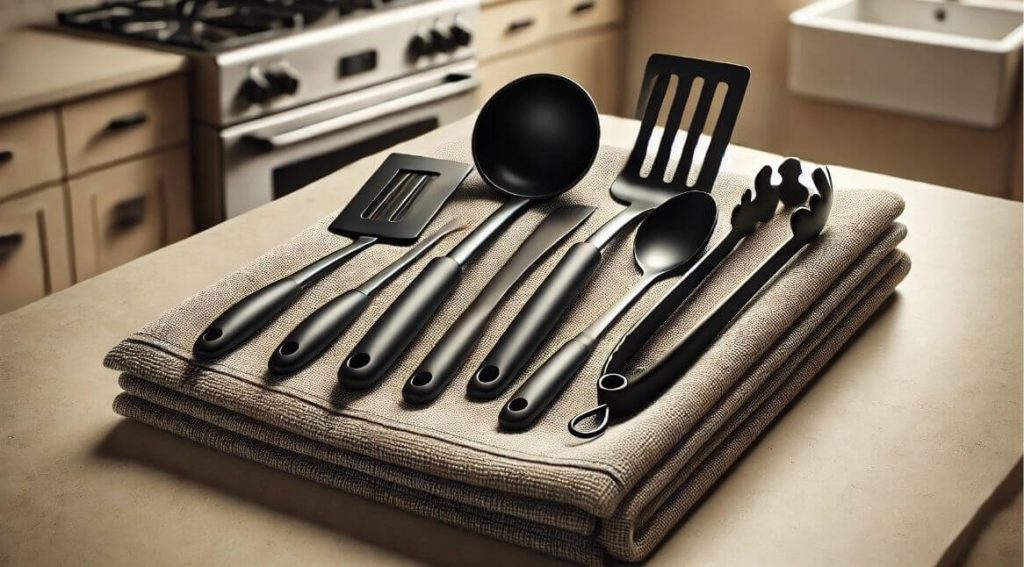
If you’ve ever stirred your Sunday roast gravy with a black plastic spoon and suddenly wondered if you’re secretly poisoning your family, you’re not alone. These handy utensils are in nearly every British kitchen because they’re affordable, heat resistant, and gentle on your pots and pans. But are they hiding a toxic secret?
Let’s cut right to the chase: black plastic kitchen utensils may contain potentially harmful chemicals, but the real world risk to your health appears to be much lower than early reports suggested. There’s more nuance here than the scary headlines let on, so here’s what you need to know to keep your family safe in the kitchen.
The Black Plastic Scare: What Actually Happened
It all started when researchers from the University of Plymouth discovered that some black plastic kitchen tools contained toxic flame retardants. Their 2018 study revealed that around 40 percent of the black plastic utensils they tested contained substances originally used in electronics: substances not intended for food contact.
These chemicals, including brominated flame retardants, can end up in consumer products through recycling of electronic waste. So while the plastic may be reused for a new purpose, it’s sometimes carrying baggage from its former life.
This understandably raised alarm bells: especially for households trying to limit exposure to unnecessary toxins.
You’d Almost Need To Eat Your Spatula To Be Worried
Yes, some black plastic utensils may contain chemicals you’d rather not have in your kitchen. But the amount that could potentially transfer into food is very small.
Experts reviewing this issue later noted that the original panic was partly fuelled by an overestimate of daily chemical exposure. In reality, typical usage of black plastic utensils appears to result in levels of chemical exposure that fall well below recognised safety limits.
That’s particularly reassuring for parents or anyone who’s trying to create a low-tox home environment. Unless you’re leaving your spoon in a bubbling pot for half an hour, it’s unlikely you’re absorbing significant amounts of anything harmful.
Should You Bin Your Black Plastic Utensils?
That’s entirely your choice. If it gives you peace of mind to ditch them, go for it—there are plenty of safer options out there:
- Wood or bamboo
Natural, biodegradable, and don’t react to heat. - Food grade stainless steel
Durable and easy to clean. - Silicone utensils
Great for non-stick pans and safe for high heat.
But if you’ve been using the same black plastic spoon for years without issue, there’s no urgent need to panic. Just follow a few sensible tips:
- Don’t leave plastic utensils sitting in hot pans or oil
- Replace anything that’s warped, melted, or scratched
- Avoid direct exposure to flames or extreme heat
How To Identify Safer Kitchen Utensils
If you’re concerned, look for utensils with food safe certifications. Here’s what to check:
- The fork and wine glass icon: this indicates the product is approved for food contact
- BPA-free labelling
- EU food safety compliance markings (such as EU 10/2011)
- Products labelled as made from virgin (non-recycled) plastic
Be especially wary of cheap, unbranded utensils, particularly those with no clear origin or safety marking. These are more likely to come from lower quality recycling streams that may include electronics waste.
The Bigger Picture: Heat And Plastic
While black plastic got the attention, it’s worth remembering that any plastic utensil can be problematic when exposed to extreme heat. High temperatures can increase the chances of chemicals leaching into your food, especially if the utensil is scratched or starting to break down.
In one study, researchers found that flame retardants leached out of black plastic spatulas placed in hot oil at high temperatures. But this isn’t typical behaviour in the average kitchen. As chemist Dr Joe Schwarcz from McGill University put it, “In real cooking, you don’t just leave your cooking utensil boiling in hot oil for 15 minutes… You turn an omelette over with it or stir your spaghetti.”
Even so, if you often cook with very hot oil or open flame, switching to non-plastic utensils is a smart move.
The Bottom Line For British Kitchens
Are black plastic kitchen utensils toxic? Not nearly as much as the headlines once suggested. The presence of unwanted chemicals in some utensils is real, but the levels of exposure under normal cooking conditions are generally very low.
That said, many experts agree that these substances shouldn’t be there at all. If you’re someone who prefers to play it safe when it comes to chemical exposure, switching to stainless steel, silicone, or bamboo tools is an easy, affordable upgrade.
After all, your kitchen should be a place where you can confidently whip up your favourite shepherd’s pie, without second guessing what might be lurking in your cooking spoon.
Want to help someone else wondering about their utensils? Share this article on Facebook or send it to your cooking group chat. You never know who needs the reassurance!
SEE ALSO: The Foolproof Laundry Routine For People Who Always Forget To Do It
Also, follow us on Pinterest ...