The Easy Way To Make Your Bathroom Sink Drain Faster (No Tools Needed)
A slow draining bathroom sink is one of those little things that can become a daily annoyance. Whether it’s water pooling around your toothbrush cup or taking ages to drain after washing your face, it can quickly start to feel unhygienic and a sign of a bigger problem.
But here’s the good news: you don’t need a plunger, drain snake or a call out from your local plumber.
There’s a simple method you can use to clear out the blockage using only basic items you likely already have in your kitchen cupboard. No tools, no mess and no stress.
Why Your Bathroom Sink Is Draining Slowly
Most bathroom sink blockages are caused by a build up of hair, soap scum, toothpaste residue and oils from skincare products.
Over time, this gunk sticks to the inside of your drain and slows down the flow of water. It doesn’t take a full clog to create the problem. Even a partial build up can lead to standing water or bad smells.
In the UK, hard water is also a common culprit. Minerals from the water supply can bind with soap to create a thick, chalky residue that clings to the inside of your pipes.
What You’ll Need to Clear It (Without Tools)
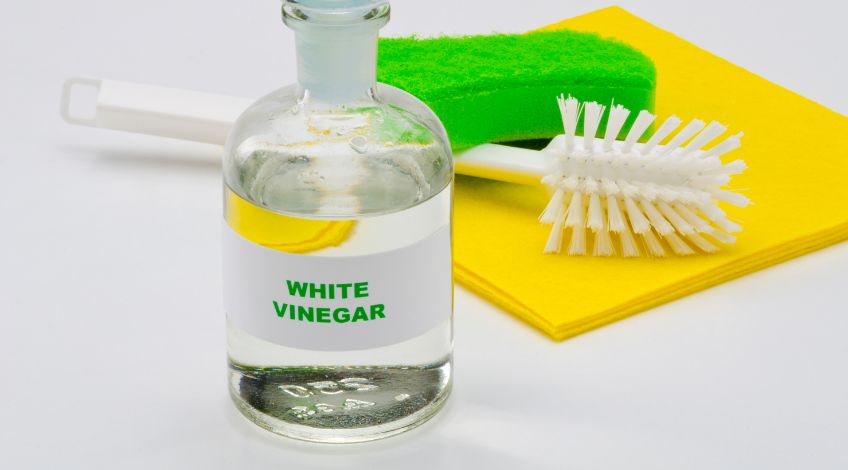
This method is easy, budget friendly and chemical free. Here’s what you’ll need:
- Bicarbonate of soda (baking soda)
- White vinegar
- Boiling water
- A dry cloth or rag (to block the drain briefly)
These ingredients work together to break down the grime, neutralise odours and flush everything through safely, all without damaging your pipes.
Step By Step: How To Make Your Bathroom Sink Drain Faster
1. Tip about 4 tablespoons of bicarbonate of soda directly into the drain.
Try to get as much of it down the hole as possible.
2. Next, pour in half a cup of white vinegar.
It will fizz and bubble. This reaction helps lift and break down the gunk lining your pipes.
3. Block the drain (briefly)
Place a damp cloth or plug over the drain straight after adding the vinegar. This traps the fizzing reaction inside the pipe, helping to push the mixture deeper.
4. Wait 10–15 minutes
Let the solution sit while it works on the grime. During this time, boil a kettle.
5. Flush with boiling water
Carefully pour a full kettle of boiling water down the drain to wash everything away.
6. Test the flow
Turn on the cold tap and see how the water drains. You should notice a much faster flow — and any bad smells should be gone too.
Important note: This method works best on slow or partially blocked drains, not sinks that are fully backed up.
If your sink is completely clogged or still slow after trying this, it may be time to call a plumber.
It’s also worth knowing that while boiling water is safe for bathroom sinks in most UK homes, it should be used with care on very old plumbing systems.
How Often Should You Use This Method?
If your sink tends to drain slowly on a regular basis, use this method once a month as a preventative measure. It’s safe, natural and won’t damage your plumbing, unlike harsh chemical cleaners which can corrode pipes over time.
This trick is especially useful if you live in a hard water area (common across the South East and parts of London), where minerals in the water can cause limescale build up in your pipes. Monthly maintenance can help prevent that build up from becoming a bigger issue later on.
You can also use this method on shower or bath drains, but take extra care if the pipework is old or if you’re unsure about the materials used in your home’s plumbing.
When You Might Need To Call A Plumber
While this method works well for surface level grime and minor build ups, there are cases where it won’t be enough. If you’ve tried this and your sink is still draining slowly (or not at all), it might be due to:
- A deeper blockage further down the pipe
- Hair wrapped around the stopper or U-bend
- Tree roots in outdoor drainage (for ground floor or older houses)
- Long term mineral build up from very hard water
In those cases, it’s best to contact a qualified plumber to avoid making the issue worse.
Share This Easy Sink Fix With Others!
This quick, tool free method is perfect for busy people who need fast results. Share it on social media to show others how to deal with slow draining sinks without the hassle of complicated fixes!
SEE ALSO: Why You Should Never Ignore Those Drain Flies… Get Rid of Them for Good!
Also, follow us on Pinterest ...