

Bloated Food Packaging? Here’s Why You Should Be Worried
Bloated packaging might seem harmless, but it can be a warning sign of deeper issues with the food inside.
While some air in packaging is normal, swelling or puffiness that was not there before should not be ignored.
Knowing what bloated packaging means could help you avoid serious foodborne illnesses, whether in your fridge, cupboard, or shopping trolley.
Is It Just Air or a Sign of Spoilage?
Not all air in food packaging is bad. Certain items, like crisps or puffed snacks, are intentionally sealed with extra gas (usually nitrogen) to keep them fresh and intact during transport.
But when products like cooked meats, dairy, ready meals, or vacuum sealed goods start to bulge, it is often a red flag. Swelling can occur when bacteria inside the packaging release gases as they grow. This is particularly true for chilled, high moisture foods.
These gases can come from spoilage organisms or harmful bacteria. In either case, the food is no longer in its original, intended state, and eating it could put you at risk of stomach upsets or worse.
If the packaging looks different from when you bought it or does not match what you would expect, trust your instincts and do not take the chance.
Common Foods That Show Swelling First
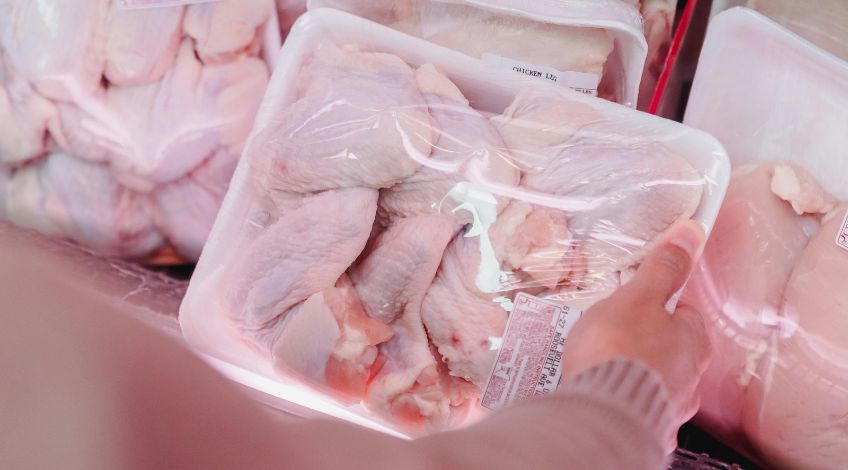
Not every food reacts the same way under poor storage conditions. Perishable items are the most at risk. Pre cooked meals, cheese, deli meats, and soft fruits can quickly become a breeding ground for microbes if not kept at the right temperature.
Bloated packs of raw poultry or seafood, for example, are a major concern, as harmful bacteria like Clostridium perfringens or Listeria can be present even before signs of spoilage appear.
Clostridium perfringens can cause sudden and severe diarrhoea, often accompanied by abdominal pain, and is one of the most common sources of food poisoning in the UK.
Listeria, on the other hand, can lead to listeriosis, a serious infection that may result in flu-like symptoms, vomiting, or even life threatening complications for pregnant women, the elderly, and people with weakened immune systems.
Drier foods such as rice, pasta, nuts, or cereals are far less likely to swell, thanks to their low moisture content.
Even so, improper storage or damage to the packaging can still lead to contamination, so it is important to keep an eye on all types of food packaging.
Can Heat or Altitude Be to Blame?
There are some rare cases where bloated packaging is not a problem. For example, if food is taken to a high altitude area or placed in very warm conditions (like a hot car), pressure changes may cause minor puffing.
However, this should be slight and temporary. If packaging remains noticeably swollen at room temperature, particularly in chilled products, it is likely caused by bacterial growth, not the weather or altitude.
It is also worth noting that leaving groceries in direct sunlight or near radiators can affect packaging materials and increase the chance of food going off faster, even if it is not visibly swollen.
Smart Safety Tips for Every Household
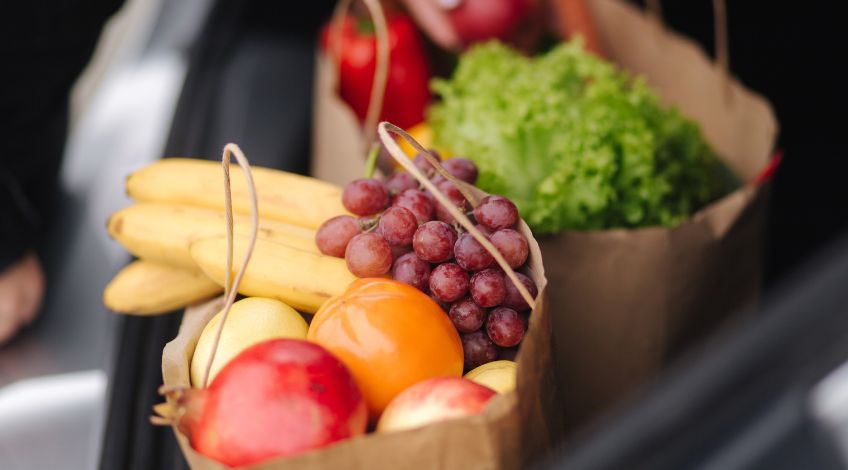
To keep your food safe and avoid bloated packaging in the first place, follow these tips:
- Always check the packaging at the shop
Do not buy anything with puffiness or tears - Store foods as directed
Refrigerated items must stay cold, and frozen items should be kept at a consistent temperature - Do not keep food past its use by date
These dates are about safety, not just quality - Avoid temperature swings
Foods that go from cold to warm and back again are more likely to spoil - Check for damage
Packaging with holes, dents, or loosened seals is more prone to letting in air and bacteria
When in doubt, throw it out. No meal is worth the risk of serious illness.
Share This Warning About Bloated Packaging With Others!
Bloated food packaging isn’t something to ignore. Share this article online to spread awareness about the warning signs and how they may affect your health.
SEE ALSO: How Long Is Too Long? The Freezing Guide That Saves Food & Money
Also, follow us on Pinterest ...