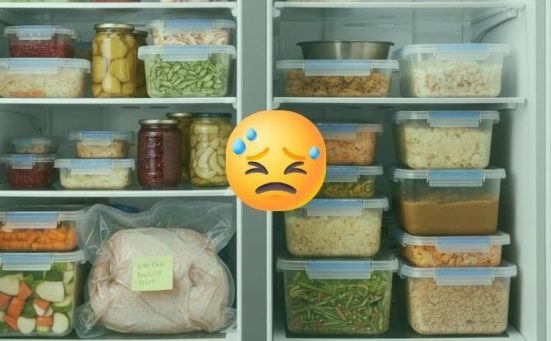
How Long Is Too Long? The Freezing Guide That Saves Food & Money
Freezing food is one of the best ways to cut down on waste and stretch your grocery budget. However, not all frozen foods last forever, and storing items for too long can lead to loss of taste, texture, and nutritional value.
Understanding the ideal freezing times for different foods ensures that you keep your meals fresh while avoiding unnecessary waste.
Does Food Really Last Forever?
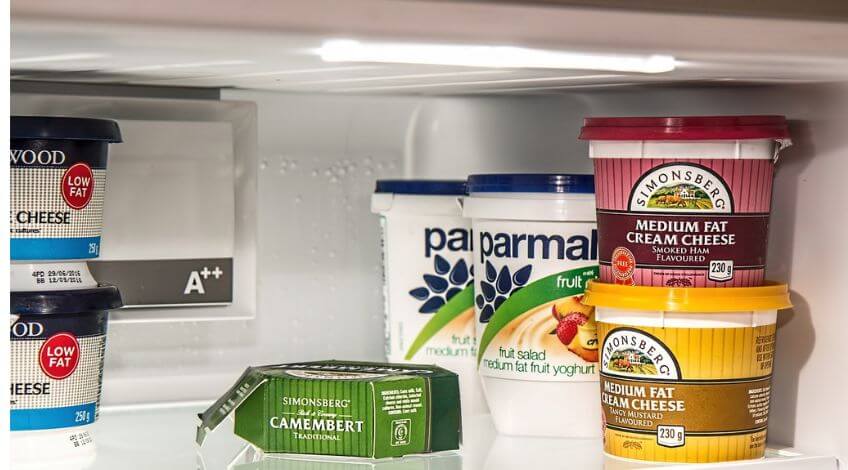
Many people assume that freezing food means it will stay good indefinitely. While freezing does stop bacterial growth, it doesn’t prevent quality from declining over time.
Overextended storage can result in freezer burn, flavour loss, and an unappetising texture.
By knowing the recommended freezing durations for different foods, you can ensure that your meals are as enjoyable and nutritious as when you first stored them.
To help you keep track of what’s safe and what’s past its best, here’s a quick guide to recommended freezing times for common foods:
| Food Type | Recommended Freezing Time |
|---|---|
| Uncooked Chicken Pieces | Best within 9 months |
| Whole Chicken or Turkey | Stays fresh for up to 12 months |
| Uncooked Pork Chops | Retains quality for 4-6 months |
| Uncooked Steak | Ideal for 6-12 months |
| Minced Beef or Pork | Should be used within 4 months |
| Uncooked Bacon | Best before 1 month |
| Cooked Chicken Pieces | Maintain quality for 4 months |
| Cooked Fish | Should be used within 4-6 months |
| Cooked Prawns | Best eaten within 3 months |
| Hard or Soft Cheese | Freezes well for up to 6 months |
| Butter | Can last between 6-9 months |
| Ice Cream | Enjoy within 2 months |
| Baked Pie | Best consumed within 1-2 months |
| Cheesecake | Stays fresh for 2-3 months |
| Baked Cookies | Maintain texture for 8-12 months |
| Bread & Rolls | Retain freshness for 3-6 months |
| Frozen Vegetables | Best consumed within 8 months |
| Fruit | Freezing times vary, but most are good for 8-12 months |
Avoid These Common Freezing Mistakes
Even with the best intentions, mistakes can reduce the quality of frozen food. Here are some common errors to avoid:
- Freezing Food That’s Already Gone Bad
Freezing does not restore spoiled food, it only prevents further deterioration. If food is already past its best, freezing it will not improve its taste, texture, or safety. - Using the Wrong Containers
Thin plastic wrap or low quality bags allow air to seep in, which leads to freezer burn. To keep food fresh, always use airtight freezer safe packaging that prevents air exposure. - Forgetting to Label and Date Items
If frozen food is not clearly labelled, it becomes difficult to track how long it has been stored. This often leads to unnecessary waste or uncertainty about whether the food is still good to eat. - Stacking Warm Food on Top of Frozen Items
Placing warm or hot food directly in the freezer raises the surrounding temperature, which slows the freezing process. This can affect the texture and safety of both the new and already frozen items. - Not Keeping Your Freezer Organised
A disorganised freezer makes it harder to locate and use food before it loses quality. Proper arrangement helps you rotate items effectively and reduces the chances of forgetting about stored food. - Not Checking Your Freezer Temperature
Failing to monitor the temperature can lead to food deteriorating faster than expected. Your freezer should always be kept at -18°C to ensure food stays safe and maintains its quality. - Overloading Your Freezer
Storing too much at once can prevent food from freezing properly. It is important to ensure that all items freeze solid within 24 hours to maintain their quality. - Freezing Foods That Don’t Hold Up Well
Some foods, such as lettuce, mayonnaise based dishes, and certain dairy products, do not freeze properly. When thawed, they can become watery, grainy, or develop an unappealing texture.
The Safest Ways to Defrost Frozen Food
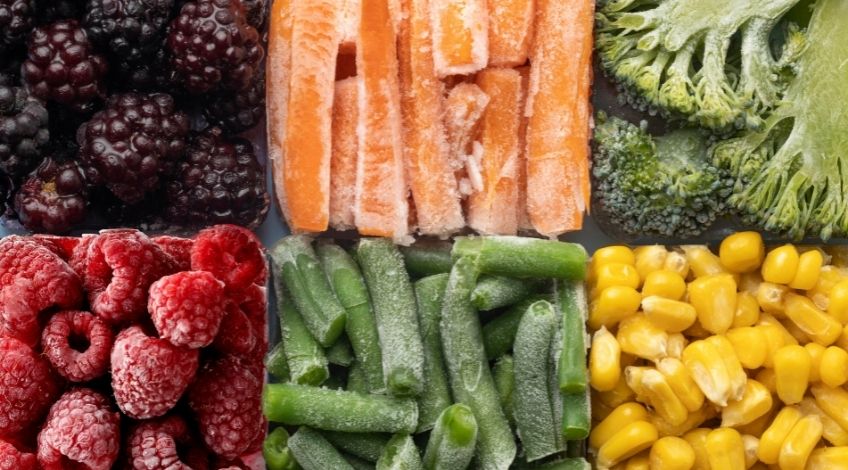
Thawing food safely is just as important as freezing it correctly. Using the wrong defrosting method can increase the risk of bacteria growth, leading to potential food poisoning. Here are the best ways to defrost food safely:
1. Refrigerator Defrosting
Refrigerator defrosting is the safest and most reliable method for thawing frozen food, especially large meat cuts, poultry, and cooked meals.
Smaller items, such as minced beef or chicken breasts, typically thaw overnight. However, larger cuts, like a whole turkey, require around 24 hours per 4-5 lbs to fully defrost.
The advantage of this method is that the controlled, cool temperature keeps food safely out of the bacteria danger zone, reducing the risk of contamination.
Although this is the slowest method, it ensures that food maintains its best texture and flavour. Planning ahead and allowing ample time for defrosting will give you the best results when it’s time to cook.
2. Cold Water Defrosting
Cold water defrosting is a faster alternative for thawing meat, poultry, and seafood when you don’t have time for the refrigerator method.
To do this safely, place the food in a leak proof bag and fully submerge it in cold water. It’s essential to change the water every 30 minutes to ensure the food remains at a safe temperature.
Depending on the size of the item, defrosting can take a few hours. While this method requires more attention, it helps thaw food quickly while reducing the risk of bacterial growth.
3. Microwave Defrosting
Microwave defrosting is the quickest method and is best suited for small items that need to be thawed immediately before cooking.
To use this method, place the food in a microwave safe dish and select the defrost setting. Since microwaves can cause uneven thawing, it’s important to monitor the process and stir or flip the food as needed.
Once defrosted, the food should be cooked immediately to prevent bacteria from multiplying in areas that may have warmed up during the process.
While convenient, this method is not ideal for large cuts of meat, as it can partially cook the edges while the centre remains frozen.
Spread the Word About Smart Freezing Habits!
A well organised freezer can make all the difference when it comes to reducing waste. Share this freezing guide on social media so others can maximise freshness and stretch their food budget!
SEE ALSO: 10 Things Lurking in Your Freezer That Should Be in the Bin
Also, follow us on Pinterest ...