10 Things Lurking in Your Freezer That Should Be in the Bin
Your freezer is meant to keep food fresh, but not everything frozen stays edible forever.
From mystery bags of unlabelled leftovers to expired ingredients hiding at the back, many things lurking in your freezer should have been binned long ago.
Keeping expired or freezer-burnt food takes up valuable space and can affect the taste and quality of other frozen goods. It is time to take a closer look at what should go.
Is Your Freezer a Hidden Food Graveyard?

The items below will help you identify what needs to be thrown out and how to keep your freezer in better shape.
1. Mystery Bags and Unlabelled Containers That Have Been Forgotten
How many times have you tossed a meal into the freezer, thinking you would remember what it was? It is easy to put leftovers or bulk-bought food in the freezer without labelling them, thinking you will remember what they are.
However, over time, unmarked food items turn into solid blocks of ice that are impossible to identify. If you have no idea what is in a bag or container, it is best to throw it out. Mystery foods can be years old and well past their best.
To prevent this, always label your freezer items with the date and name so you can keep track of what you are storing.
2. Freezer-Burnt Leftovers That Have Lost Their Taste
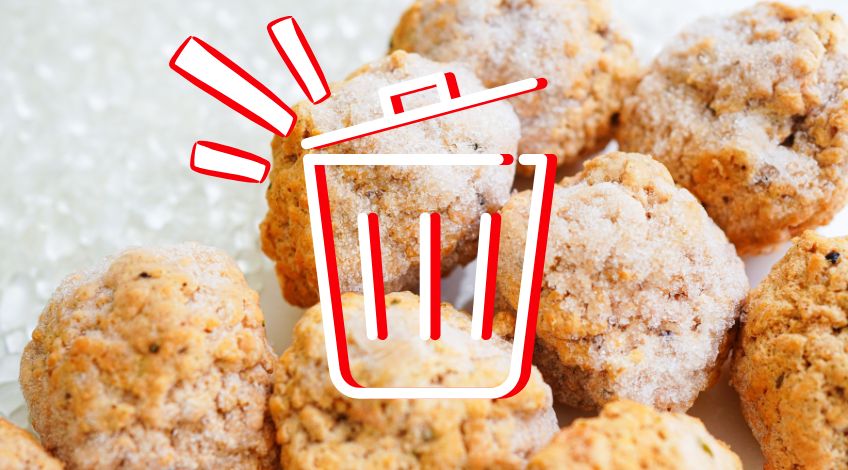
If your frozen leftovers look dry, have greyish or white patches, or are covered in ice crystals, they will not taste great when reheated.
Leftovers are great for saving time and reducing food waste, but even in the freezer, they do not last for long periods of time. Moisture loss leads to freezer burn, affecting the taste, texture, and overall quality of the food.
Most leftovers should be eaten within three months to maintain flavour and texture. Using airtight containers or freezer bags can help prevent freezer burn.
3. Ice-Covered Frozen Vegetables and Fruits That Have Lost Their Freshness

Frozen fruits and vegetables are a convenient way to keep produce on hand, but they do not last forever.
Over time, ice crystals form, causing the texture to deteriorate and making the food less appetising when cooked. Excess moisture loss leads to freezer burn, which results in mushy, tasteless vegetables and fruits when thawed.
If your frozen vegetables or fruits are covered in thick layers of ice, clumped together, or have been in the freezer for over ten months, they are past their best.
While they may still be safe to eat, the flavour and texture will be far from appealing. Most frozen vegetables should be used within eight to ten months, while fruits can last up to a year if stored properly in airtight packaging.
4. Frozen Bread That Has Gone Stale and Dry
Freezing bread is a great way to extend its shelf life, but it does not stay fresh forever. Over time, bread loses its moisture, develops freezer burn, and turns into a dry, crumbly mess when defrosted.
If your frozen bread has a thick layer of ice or feels rock hard and dry, it is best to bin it. Bread should be eaten within three to six months for the best taste and texture.
To keep it fresh for longer, slice it before freezing and store it in an airtight bag to reduce moisture loss.
5. Expired Meat and Fish That May No Longer Be Safe to Eat

Meat and fish can be stored in the freezer for months, but that does not mean they always stay fresh. If improperly wrapped or left too long, they become dry, tough, and lose their natural flavour.
If your frozen meat or fish has ice crystals inside the packaging, an unusual odour, or has been stored for longer than recommended, it is best to discard it.
Most raw meat should be used within six to twelve months, while fish should be eaten within three to six months to maintain quality.
6. Ice Cream That Has Become Grainy and Lost Its Creamy Texture
Ice cream is meant to be a smooth and indulgent treat, but when left in the freezer for too long, it can develop ice crystals that ruin its texture.
Poorly sealed containers allow air to enter, leading to freezer burn. Over time, ice cream absorbs odours from other frozen foods, giving it an unpleasant taste.
If your ice cream is covered in ice crystals, has a rough, grainy texture, or tastes like frozen leftovers rather than the original flavour, it is best to bin it.
Most ice creams should be eaten within two to three months of opening to maintain their creamy consistency.
Storing it in an airtight container and placing it at the back of the freezer, where the temperature is most stable, will help preserve its texture for longer.
7. Frozen Ready Meals That Are Long Past Their Expiry Date
Stocking up on frozen ready meals is convenient, but they should not sit in your freezer indefinitely. Over time, these meals can lose their texture, become freezer burnt, and absorb odours from other foods.
That frozen lasagne or curry might have seemed like a good idea when you bought it, but if it has been sitting there for over a year, it might not be so appealing now. While they may technically still be safe to eat, they will not taste as good as they did when fresh.
If your ready meals have been sitting in the freezer for more than a year, it is time to throw them away. Many frozen meals are designed to be eaten within three to twelve months, depending on their ingredients.
Check the expiration dates on packaging and rotate your stock using the first-in, first-out method to ensure you eat meals while they are still at their best.
8. Ice Cubes That Taste Like Your Freezer
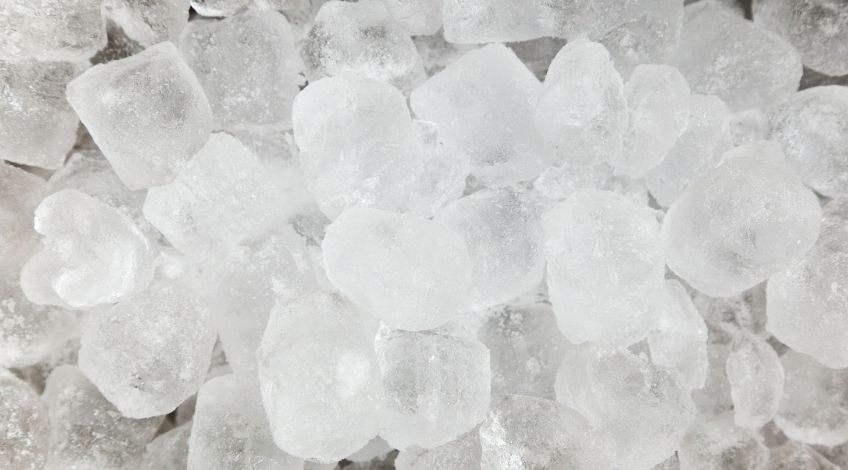
Ice cubes are meant to cool your drinks, but if they have been sitting in the freezer for too long, they can develop an unpleasant taste. Ice absorbs odours from nearby foods, making your drinks taste strange.
If your ice cubes taste like fish, garlic, or freezer burn, it is time to replace them. Empty and clean your ice trays or ice maker regularly, and store ice cubes in an airtight container to keep them fresh and odour-free.
9. Frozen Chips and Snacks That Have Lost Their Crispiness
Frozen chips, nuggets, and other snacks are meant to stay crispy when cooked, but if they have been in the freezer too long, they lose their texture. Moisture exposure can cause freezer burn, making them soggy and unappetising.
If your frozen snacks look dull, dry, or are covered in ice crystals, they will not cook up crispy.
Most frozen snacks should be eaten within three to six months to retain their best texture. Keeping them in airtight packaging can help reduce moisture loss.
10. Dairy Products That Have Separated or Become Unusable
While some dairy products can be frozen successfully, others do not fare well in extremely low temperatures.
Milk and cream can separate when thawed, cheese can become crumbly, and yoghurt often turns watery. Freezer burn can also cause an unpleasant, grainy texture that makes dairy items unappealing.
If your frozen dairy products are covered in frost, have a lumpy consistency, or taste sour after thawing, they should be binned.
Hard cheeses like cheddar can last up to six months in the freezer, while milk and cream should ideally be used within one to three months for the best quality.
If you plan to freeze dairy, portion it out and store it in airtight containers to minimise texture changes.
How to Keep Your Freezer Fresh and Organised
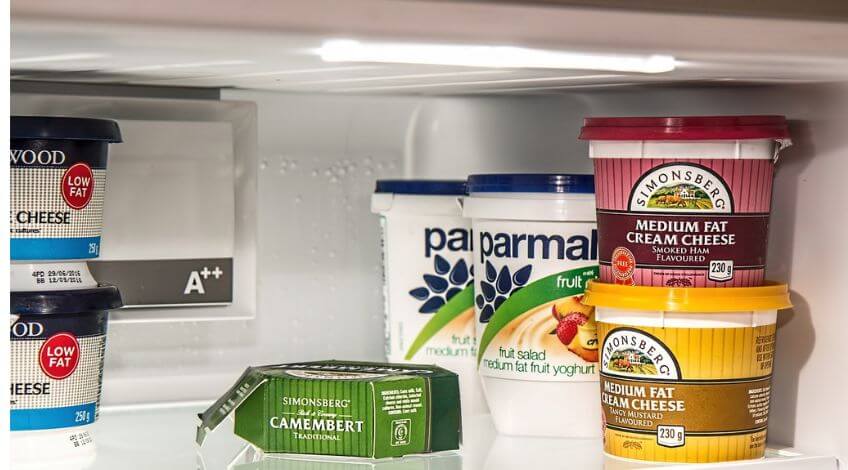
Once you have cleared out expired and freezer-burnt items, follow these tips to keep your freezer in order:
- Label everything with the date of freezing to track how long it has been stored.
- Use airtight containers to prevent freezer burn and odour transfer.
- Defrost your freezer regularly to remove built-up ice and improve efficiency.
- Organise by category so you can easily find items before they expire.
A well organised freezer makes meal planning easier and ensures that everything you freeze remains safe and tasty. Take a few minutes to check what is hiding in your freezer today. You might be surprised at what needs to go!
Make Sure Your Friends Aren’t Storing These Freezer Nightmares!
Most freezers contain outdated, expired, or unnecessary items taking up space. Share this list online so others can finally declutter and keep only what’s worth saving!
SEE ALSO: If you see ice at the bottom of your freezer, don’t ignore it
Also, follow us on Pinterest ...