Can You Keep Refreezing Meat? The Answer Will Surprise You!
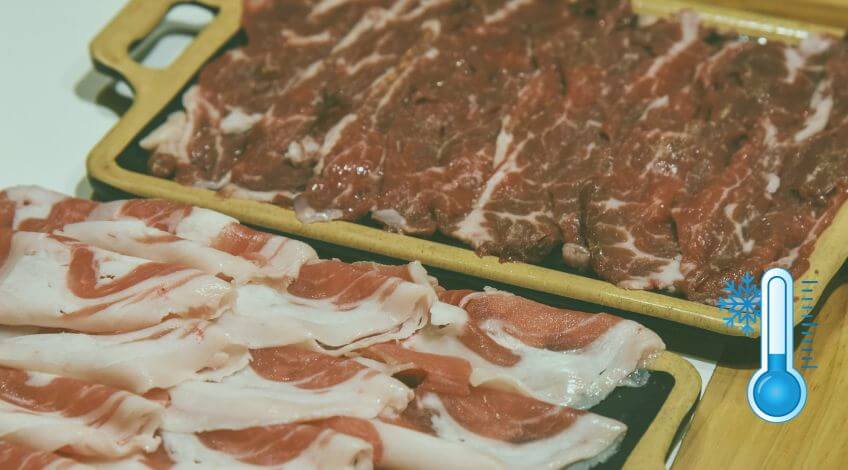
We’ve all been there. You’ve pulled a family pack of chicken breasts from the freezer, only to realise you won’t use it all. Or perhaps you’ve defrosted that giant beef roast, changed dinner plans, and now you’re staring at expensive meat that might go to waste. The burning question: can you simply pop it back in the freezer?
If you’re a busy home cook juggling work and family commitments, or a dedicated meal prepper managing your freezer like a well oiled machine, knowing the ins and outs of meat refreezing isn’t just helpful, it’s essential. Let’s settle this debate once and for all with some proper food science and practical advice.
The Surprising Truth About Refreezing Meat
Yes, you can refreeze meat, but with important conditions!
Contrary to what many of us were taught growing up, refreezing meat isn’t automatically dangerous. The key factor isn’t whether the meat has been frozen before, but how you’ve thawed it and handled it since.

You can safely refreeze meat if:
- You thawed it in the refrigerator (where temperatures stay below 5°C)
- The meat has remained properly chilled throughout
- You refreeze it within the safe time frame (which varies by meat type)
- There are no signs of spoilage (odd smells, slimy texture, or discolouration)
For meal preppers who buy in bulk, this is brilliant news! That family pack of chicken breasts can indeed be thawed, portioned and refrozen for future meals without safety concerns.
When Refreezing Meat Is Absolutely Off The Table
While refreezing can be safe, there are definite no-go scenarios:
Never refreeze meat if:
- It was thawed at room temperature on your countertop
- It was thawed using the microwave defrost setting
- It’s been sitting at room temperature for more than two hours
- It shows any signs of spoilage
For busy parents who might be tempted to take shortcuts when meal planning goes awry, this is particularly important. That pack of mince that’s been sitting out during your unexpected three hour school emergency? Unfortunately, it’s best to cook it immediately or discard it.
The Science Behind Safe Refreezing
What makes refreezing risky isn’t the freezing process itself, but what happens during thawing. When meat warms above freezing, bacteria that were present before freezing can begin multiplying again. If the meat reaches temperatures in the “danger zone” between 8°C and 60°C for too long, these bacteria can reach unsafe levels.
Refreezing doesn’t kill these bacteria, it just pauses their growth again. This is why the method of thawing matters enormously.
Refreeze By Meat Type: How Long You’ve Got
For busy home cooks trying to manage food waste and kitchen efficiency, knowing your refreezing timeline is crucial. Here’s how long you can keep thawed meat in the fridge before it must be either cooked or refrozen:
Chicken: 1 to 2 days maximum. Busy parents take note: thawed chicken breasts have the shortest safe window. If your weekly meal plan changes, make the decision to refreeze them quickly!
Pork: 3 to 5 days. Perfect for weekend meal preppers who might change their minds mid week about that planned pulled pork.
Beef: 3 to 5 days. Those expensive steaks or roasts have a decent fridge life before needing to be refrozen.
Minced Meat: 1 to 2 days maximum. Meal preppers beware: mince of any type has a shorter safe window due to its increased surface area.
The Quality Question: What Happens To Texture And Taste?
While refreezing meat is safe when done properly, there is a trade off in quality. Each freeze/thaw cycle causes moisture loss through ice crystal formation, which can affect texture and juiciness.
You’ll notice:
- Less moisture, that liquid at the bottom of your thawed meat package is lost juiciness
- Potentially drier texture after cooking
- Slightly diminished flavour intensity
For bulk shoppers and meal preppers, this knowledge helps inform smart planning. Perhaps those twice frozen chicken breasts are better destined for a saucy curry rather than a simple grilled preparation.
When To Choose Cooking Instead Of Refreezing
Sometimes, cooking thawed meat and then freezing the cooked result is actually the better option:
- When you’ve thawed using the microwave
- If you’re concerned about quality loss
- When you’re approaching the safe refreezing window
For busy home cooks, this can actually be a time saver in disguise. That thawed mince can become a ready to heat bolognese sauce. Those chicken breasts could transform into a curry that just needs reheating on a hectic weeknight.
The Bottom Line On Refreezing Meat
The good news for both busy families and dedicated meal preppers is that refreezing meat is often perfectly safe when done properly. The key takeaways:
- Always thaw meat in the refrigerator if you might want to refreeze it
- Make the refreezing decision quickly, within the safe window for each meat type
- Expect some quality loss and plan your future cooking methods accordingly
With these guidelines, you can shop sales with confidence, prep efficiently, and reduce food waste: all without compromising on food safety.
Do you have any clever meat storage or freezer organisation tips? Share them with friends who might benefit from this information too!
SEE ALSO: How to Declutter Your Home When It’s Full of Sentimental Items
Also, follow us on Pinterest ...