The 5 Cleaning Fails That Leave Your Kitchen Floor Sticky – Are You Guilty?
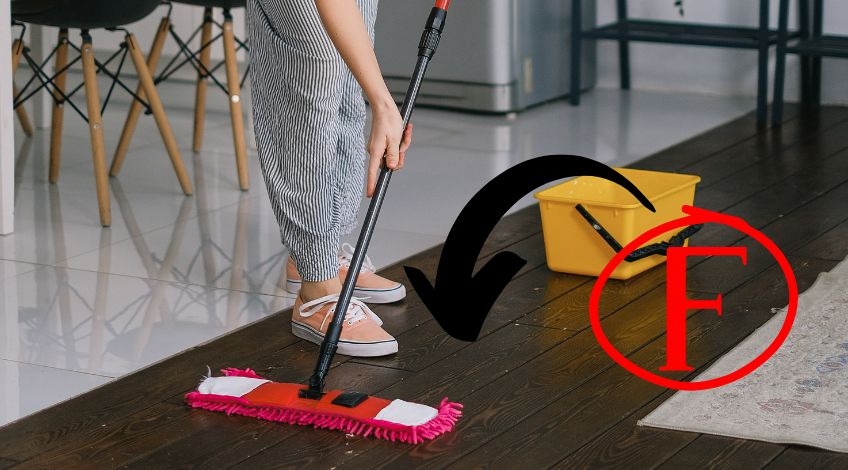
Imagine this: you’ve just mopped your kitchen floor. The tiles are gleaming, the air smells faintly of lemony freshness, and you’re basking in the satisfaction of a job well done. Then… squelch. Your socks betray you, sticking to the floor like glue. Suddenly, the moment is shattered, and you’re spiraling: What went wrong? Was it the mop? The soap? Or… was it you?
If this sticky situation feels eerily familiar, you’re not alone. But don’t worry, we’ve got your back. In fact, we’ve uncovered the top five cleaning fails that could be turning your kitchen floor into a sticky trap. The good news? Each one has an easy fix. The bad news? You might be guilty of at least one (or all) of them.
Ready to find out what’s been sabotaging your spotless floors? Let’s get into it.
Why Do Kitchen Floors Get Sticky After Cleaning?
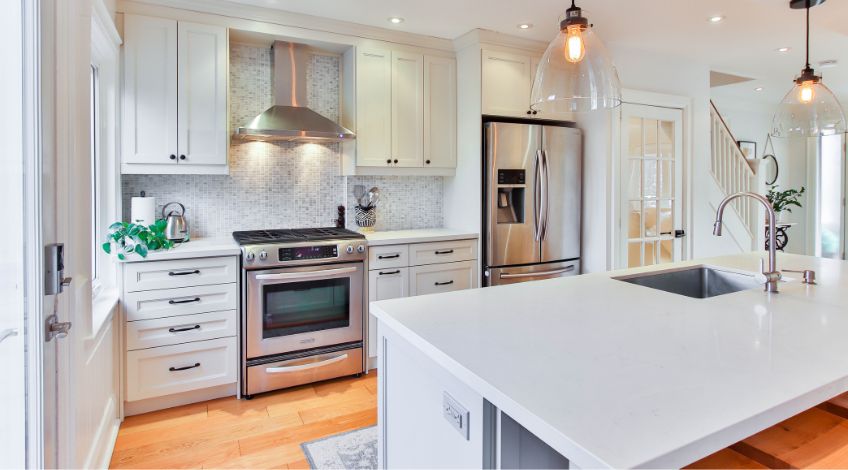
You’ve put in the time, the effort, and maybe even a little elbow grease. The kitchen floor should be spotless, yet there it is, sticky underfoot, as if mocking you with every step. Frustrating, right? You might even be eyeing the flooring itself, wondering if it’s time for a change.
But hold on, don’t call the contractors just yet. The culprit isn’t your floor; it might just be you. Yes, when it comes to sticky floors, the real issue often boils down to one thing: human error.
Before you swear off mopping forever, let’s take a closer look at the five common mistakes that could be turning your freshly cleaned floor into a sticky trap. Odds are, one of these might sound a little too familiar…
Overloading On Cleaning Products
It’s tempting, isn’t it? A little cleaning solution isn’t enough, so you go full on “more is better” mode. But guess what? Using too much cleaner doesn’t make your floor extra clean.
It just leaves behind a sticky residue that’ll make you feel like you’re walking through treacle.
How To Fix It
Always read the label (yes, we know it’s boring). Most bottles even have those handy little caps for measuring, use them! Trust us, less is more when it comes to cleaning products.
Using Dirty Water
Think about it: you’ve just mopped up some serious kitchen grime. Then you dunk your mop straight back into the same murky water and carry on.
What’s happening here? You’re basically spreading the muck around. The first few mopfuls are full of clean(ish) soapy water but after that, the water is full of dirt.
How To Fix It
Keep an eye on that bucket. If the water starts looking more like swamp juice than clean water, it’s time to tip it out and start fresh. Oh, and don’t forget to rinse your mop too, it deserves a clean, just like your floor.
Skipping the Rinse
You’ve mopped, you’ve scrubbed, and you’re ready to call it a day. But hold on, did you rinse the floor? If not, that leftover cleaner is going to dry into a sticky, streaky mess. Congrats, you’ve just given yourself double the work.
How To Fix It
Grab a second bucket of clean water and give the floor a good rinse. Sure, it’s an extra step, but your future self will thank you (and so will your socks).
Oh, and don’t forget to keep changing the rinsing water in the bucket. Rinsing with dirty water is just as bad as trying to wash the floor with dirty water. Result-sticky floors!
Using The Wrong Cleaner
Your kitchen floor might be dealing with all sorts of spills: ketchup, coffee, or last night’s experimental curry disaster. Not all dirt is created equal, and neither are cleaners. The wrong one can’t handle the job and might even make things worse.
How To Fix It
Get to know your dirt (sounds weird, but stay with us). Acidic mess? You’ll need an alkaline cleaner. Greasy stains? Look for something tough on oils. Just check the label and make sure your cleaner matches the mess.
Ignoring Your Cleaning Gear
If your mop head looks like it’s been through a war zone or your bucket hasn’t been cleaned since you bought it, we’ve got a problem. Dirty gear just spreads more dirt around, leaving your floor sticky and gross.
How To Fix It
After every cleaning session, give your mop and bucket a proper wash. And if your mop’s looking like it belongs in the bin, it’s time for an upgrade. (Pro tip: consider a steam mop, they’re like the superheroes of the cleaning world.)
How To Keep Sticky Floors At Bay
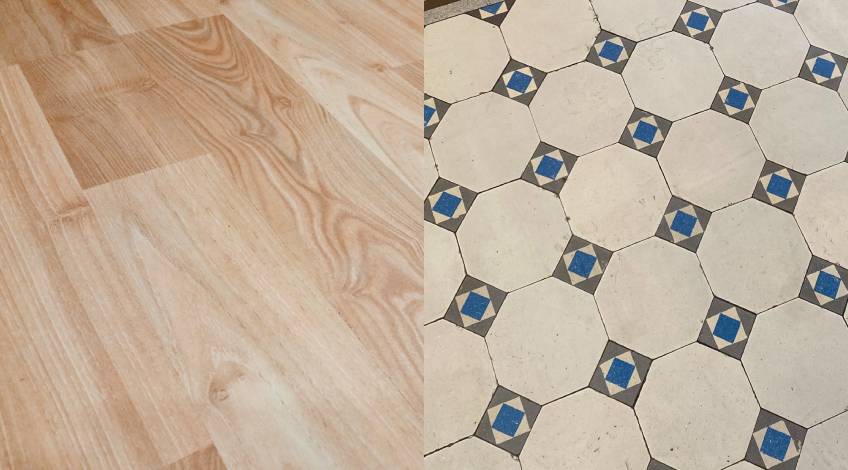
Want to avoid the sticky floor drama altogether? Here are some bonus tips to keep your kitchen floor squeaky clean:
- Clean Spills ASAP
Don’t let them dry into a sticky mess. A quick wipe saves you hours later. - Sweep Before You Mop
Otherwise, you’re just pushing crumbs around. - Stick To A Schedule
Whether it’s daily or weekly, regular cleaning stops grime from building up. - Make Sure You Use The Right Cleaner
You can’t get rid of sticky stains if you’re using the wrong cleaning product. - Change The Water Regularly
You don’t want to be spreading more dirt around the already dirty floor. - Use Fresh Clean Water To Rinse
This might mean washing out and refilling the bucket with fresh clean water any number of times, but it’ll be worth it when your kitchen floor is clean and shiny (and not sticky). - Make Sure You’re Cleaning Gear Is In Good Condition
What’s the point of cleaning the floor if your bucket is dirty and your mop’s on its last legs? - Upgrade To A Steam Mop
If your old mop is past its sell by date, replace it. Consider getting a steam mop, they’re much better tools for tackling sticky, greasy floors.
Your Turn!
What’s the worst sticky floor disaster you’ve had? Spilled juice that turned into a sugar coated nightmare? Cleaning products gone rogue?
Share your stories in the comments, we’re all friends here, and we’ve all been there. Don’t forget to share this with someone who might definitely be guilty of one of these cleaning fails. (You know who they are!)
Let’s make sticky floors a thing of the past, one clean sweep at a time.
SEE ALSO: Are You Washing Your Clothes Too Often? The Answer Might Shock You!
Also, follow us on Pinterest ...