If your clothes randomly get holes, you’re making this daft mistake…
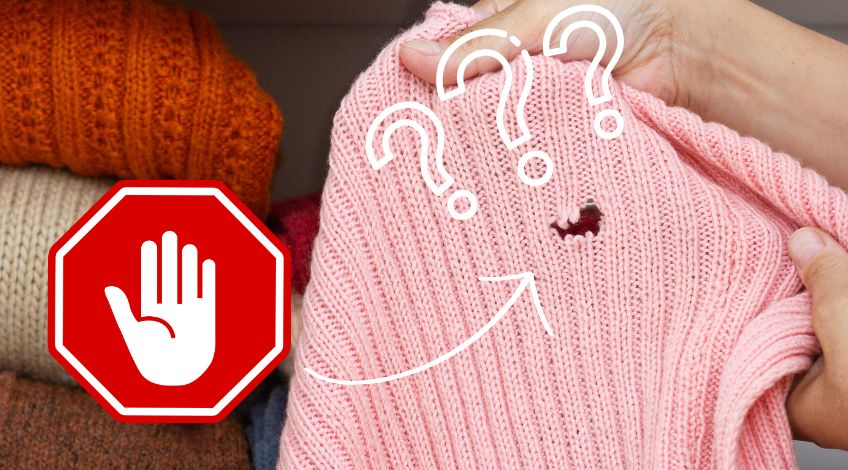
Have you ever pulled your laundry out of the washing machine, only to find your favourite t-shirt riddled with mysterious tiny holes? How did it happen? Is your washing machine secretly out to sabotage your wardrobe?
It’s a common problem, and while many people blame their washing machines, the real culprits are often far more surprising (and yes, occasionally ridiculous). Let’s unravel the mystery and help you avoid these annoying wardrobe mishaps.
The Ripple Effect Of Those Pesky Holes
When clothes emerge from the wash with holes, the problems go beyond mere aesthetics. Let’s face it: even tiny holes can wreak havoc on your wardrobe and your wallet. Here’s how:
- Ruined Outfits
A single hole in the wrong spot can render a beloved piece unwearable, leaving you scrambling to replace it. - Wasted Money
Constantly replacing damaged clothes adds up quickly. Investing in quality garments and taking proper care of them can save you in the long run. - Environmental Impact
Discarding damaged clothes contributes to textile waste. By understanding how to prevent holes, you’re doing your part to reduce your environmental footprint. - Lost Time
Mending or shopping for replacements takes time out of your busy schedule. Prevention is not only smarter but also a real time saver. - Frustration & Stress
There’s nothing more annoying than discovering that your favourite item has been damaged. A few preventive steps can help keep laundry day stress free.
Where Most People Believe The Problem Lays
It’s tempting to point the finger at your washing machine. After all, it’s the last place your clothes were before the holes appeared. But here’s the truth: unless your washer is secretly harbouring tiny saboteurs, it’s probably not the root cause. Let’s look into the possibilities.
Bra Wires & Other Sneaky Culprits
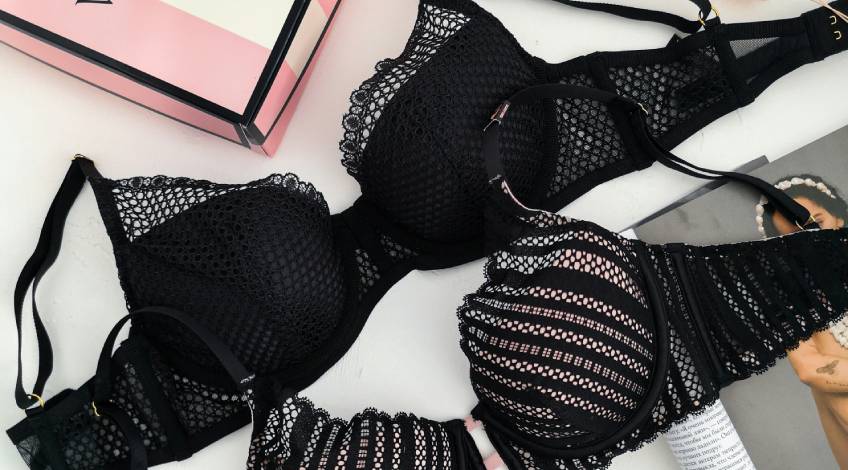
Broken bra wires are a notorious offender. When these wires snap, they can lodge themselves in the washing machine drum and snag on other garments, tearing tiny holes. Cheap bras are especially prone to this.
We could end here, but if you’re thinking, “Wait, I don’t even wash bras in the machine,” don’t worry, there’s more to the story.
Surprising Causes Of Holes In Clothes (and why it’s your fault!)
There can be any number of daft things that you’re doing that could be causing the holey dilemma that your laundry is facing. They include;
Bleaching Issues
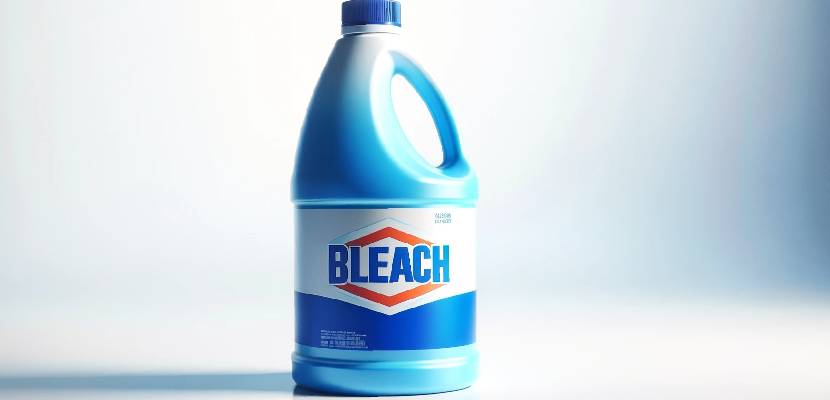
Undiluted bleach can burn through fabric faster than you can say “Oops.” Always mix bleach with water before adding it to your wash. And ask yourself “do you really need to add bleach to every wash?”
Stain Removers Could Be The Problem
Leaving stain remover on too long can weaken fabric fibres, making them prone to tearing. Follow the instructions on the label like your wardrobe depends on it, because it really does.
Dodgy Detergent Dramas
Cheap or incorrect detergents can weaken fabrics over time. This can lead to holes and the ruination of your favourite shirts.
Using the wrong detergent for wool or silk? That’s a recipe for disaster. Particularly if you use the wrong cycle and a fast spin speed.
Zips & Hooks
Unzipped zippers and rogue hooks love to snag on other clothes. Be sure to fasten them up and turn garments inside out to avoid unnecessary wear and tear.
You might also want to consider using laundry mesh bags to prevent any unwanted hook ups or zipper problems.
Sand, Stones Or Factory Leftovers
Believe it or not, a single grain of sand can wreak havoc in a washing machine. These little devils combined with detergents can pull on delicate threads and create holes.
Sometimes it’s not your fault because in some cases that sand or grit could’ve come from the factory the clothes were made in.
Insects & Larvae
Silverfish and moth larvae might set up camp in your clothes, causing microscopic holes that expand during washing. Regularly clean your machine and store clothes properly to keep these critters at bay.
The holes they make might be so small that they go unnoticed until they get in the washer and grow due to the rough and tumble of the cleaning process.
To stop silverfish from nibbling your clothes, keep your clothes off the damp bathroom floor. Plus they also thrive in the damp dark conditions in your washer’s drum. So always leave the door and detergent drawer open after use to allow the interior to dry out.
And never leave wet laundry in the drum.
Foreign Objects In Pockets
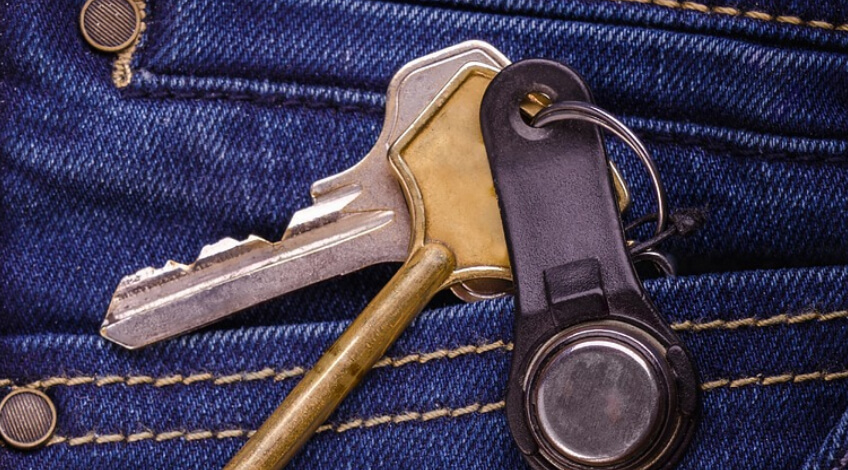
Keys, coins, nails, screws, if it’s been left in a pocket, it’s a threat to your clothes. Always check before loading your laundry. Coins can cause damage to the paddles on the drum which can then snag on your clothes causing rips and tears.
Plus coins could cause the pump to clog leading to a machine malfunction.
Overloading The Machine
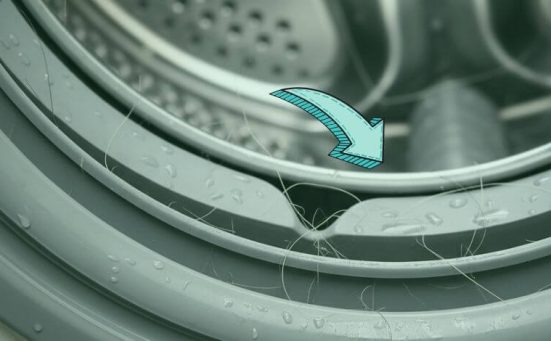
Stuffing too many clothes into the drum can trap garments between the door seal and drum, leading to rips as the drum turns. Overloading the drum is also a great way to prevent your clothes from getting properly clean as well.
Damaged Drum
If any of those foreign objects actually got loose in the drum of your washer, they could’ve caused damage to the drum. This could lead to rough areas where clothing could get snagged as the drum rotates.
You can check for rough patches in the drum by wrapping an old pair of tights around your hand and rubbing all around the inside of the drum. If the tights get snagged, you know there’s a problem which is most likely responsible for damaging your clothes.
It will need dealing with before your next wash day to prevent any more issues.
Wrong Spin Speeds
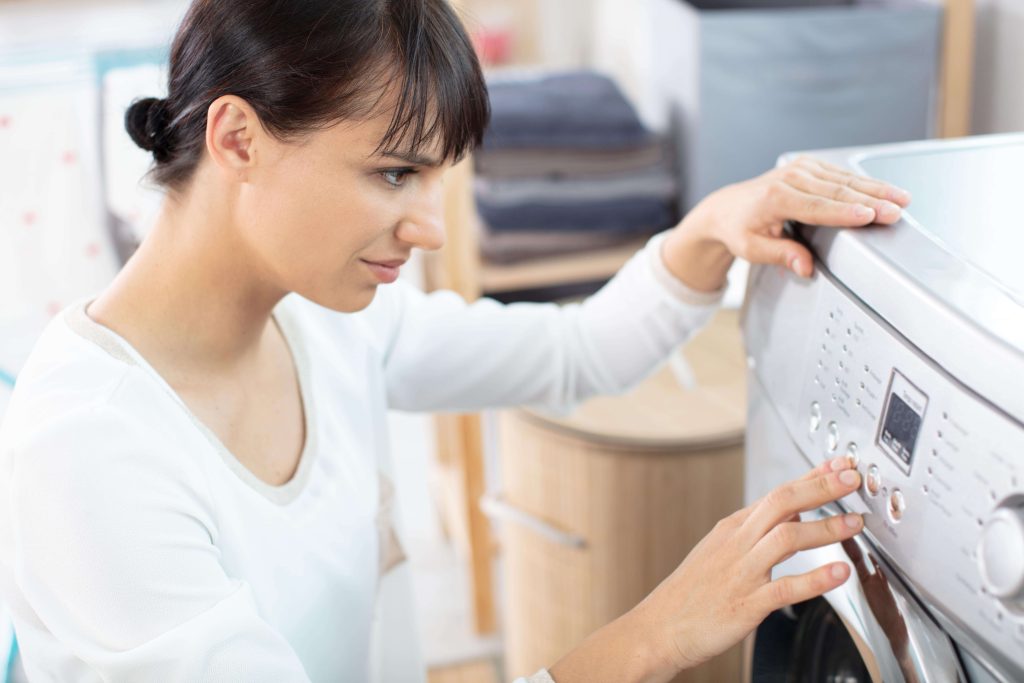
There are some items that shouldn’t be spin dried at all and others that need a slower spin speed. For instance, delicates and fast spins don’t mix. Stick to the recommended spin speeds for each fabric type to avoid damage.
Here’s a brief guide for the correct spin speed for each type of fabric;
| Type Of Garment | Spin Speed In Revolutions Per Minute (RPM) |
|---|---|
| Cottons | 1400 rpm |
| Woollens | 1200 rpm |
| Minimum Iron | 1200 rpm |
| Denim | 900 rpm |
| Delicates | 600 rpm |
| Shirts | 600 rpm |
| Silks | 400 rpm |
To find out more about the correct wash cycles on your machine read the user manual or contact the manufacturer.
Rough Surfaces & Belts
Kitchen counters, office desks, belts, and braces can weaken fabric fibres before they even hit the wash. Smooth down rough edges or file abrasive surfaces if necessary.
Mixing Different Types Of Fabrics
The cause of damaged clothes is often not anything sinister at all. It’s often caused by mixing heavy items like denim with delicate items like silk.
That’s just a recipe for disaster, always sort your laundry into “like” piles before washing in the machine.
How To Protect Your Clothes
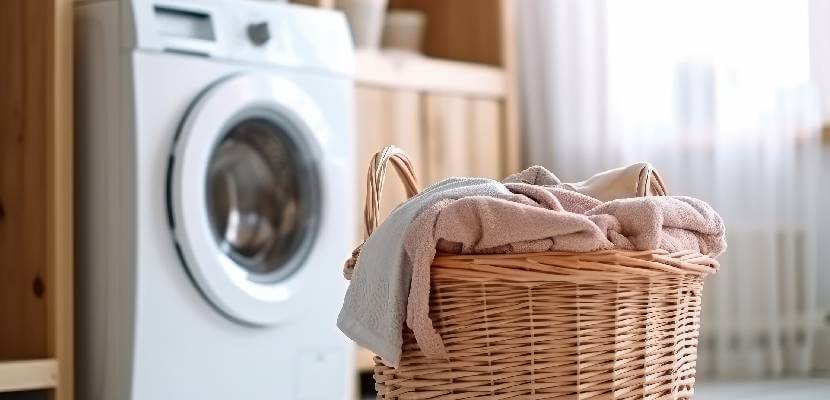
Let’s look at some of the ways you can protect your clothes and help prevent them from becoming holey. You should;
- Sort Your Laundry
Keep delicates separate from heavy denim and zippers. - Use Mesh Bags
Protect lace, silk, and other delicate fabrics by placing them in mesh laundry bags. - Inspect the Drum
Run your hand or a nylon stocking over the drum to detect snags. - Check Garment Labels
Follow care instructions for washing and spin cycles. - Clean Your Machine
Run a hot (90 degree) service wash monthly to keep bacteria and bugs at bay.
When It’s Not the Washer, It Might Be…
Just because you first noticed the holes after the items were washed, it doesn’t mean that’s where the problem occurred. The cause could be;
- Tumble Dryer Troubles
A misaligned dryer drum can cause burn marks and tears. Check alignment regularly or call in a repair pro. - Poor Quality Clothing
Bargain buys can be tempting, but cheap fabrics are often prone to fraying and tearing. Sometimes, you get what you pay for. - Dodgy Deodorants
Some sprays contain chemicals that weaken certain fabrics. Apply them to your skin, not your clothes.
If The Problem Is Confined To Just T-Shirts…
If the only clothes affected by the mysterious holes are T-shirts, it might not be the washer or dryer’s fault. It could just be general wear and tear.
Or the shirt is rubbing on a belt, your jeans or even on a hard surface like your desk or worktop.
The Real Problem: Human Error
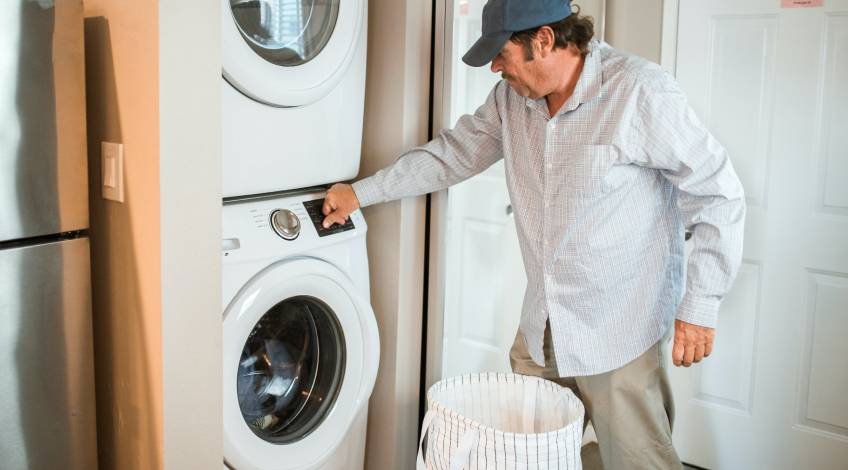
It’s easy to blame the washing machine, but 99% of the time, holes in your clothes come down to user error. The good news? These mistakes are fixable. With a bit of extra care and attention, you can keep your clothes hole free and looking their best.
Here’s a quick reminder of what’s most likely causing the problem;
- Using the wrong wash cycle/program.
- Using too much stain remover.
- Using undiluted bleach.
- Mixing delicates with non delicates.
- Foreign objects left in pockets.
- Using too much or the wrong detergent.
- Spray deodorants wearing out the fabric.
- Belts, braces or other rough items catching on the fabric.
- Items already damaged before they go into the washer.
Remember, when in doubt, it’s always worth consulting your washing machine manual or reaching out to a professional. Happy washing!
Be The Hero Of Your Wardrobe
Holes in your clothes don’t have to be a recurring nightmare. By paying attention to what goes into your machine, how you handle your garments, and the products you use, you can take charge of your laundry routine and protect your wardrobe. Remember, prevention is always easier than repair!
So, what’s your next step? Take a moment to check your laundry habits and make the necessary adjustments. Your favourite outfits will thank you.
And if you’ve found these tips helpful, share this guide with friends or family who might be fighting the same battle against those pesky holes. Together, let’s keep our clothes looking fabulous, one wash at a time!
SEE ALSO: Throw Away Your Iron! This Tumble Dryer Trick Will Change Your Life
Also, follow us on Pinterest ...