Why You Should Always Clean Your Washing Machine Door Seal (You’ll Be Grossed Out!)
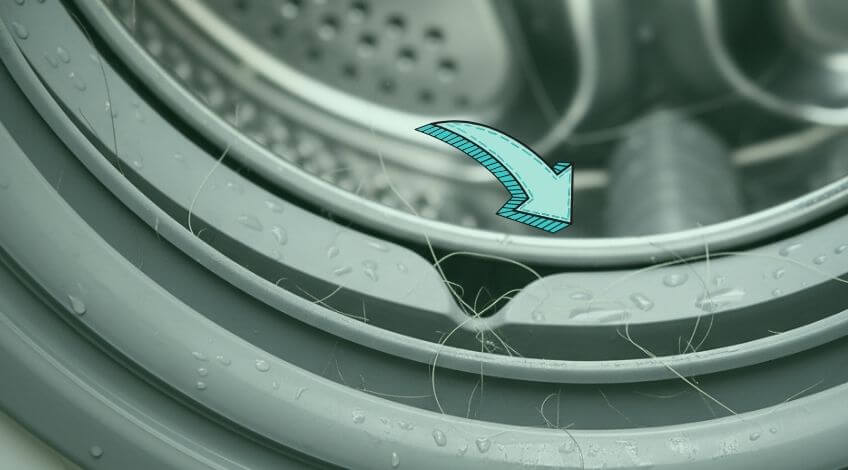
If you’ve got pets, you already know the drill: fur absolutely everywhere. On the sofa, on your clothes, probably even in your morning coffee somehow. But here’s something that’ll make you cringe: that rubber seal around your washing machine door? It’s basically a fur and grime hotel and you’re the one footing the bill for its existence.
The truth is, most of us chuck our pet hair covered clothes into the wash and assume the machine sorts everything out. Spoiler alert: it doesn’t. That door seal (also called a gasket) is quietly collecting every strand of fur, every bit of dander and every disgusting particle that washes off your clothes. Before you know it, you’ve got a breeding ground for mould, mildew and bacteria right where you clean your clothes. Ironic, isn’t it?
The good news? Cleaning your washing machine door seal is dead easy, and doing it regularly will save you from some truly gross discoveries. Let’s get into why this matters and how to sort it properly.
What Actually Happens Inside Your Washing Machine Door Seal
That rubber seal isn’t just there to look pretty (though let’s be honest, it’s not winning any beauty contests). It creates a watertight barrier to keep your laundry room from turning into a swimming pool. But its design, all those folds and crevices, makes it the perfect trap for everything nasty.
When you wash your pet’s blankets, your fur covered jumpers or anything else that’s been within sniffing distance of your dog or cat, all that hair has to go somewhere. Some of it goes down the drain, but a surprising amount gets stuck in the seal’s rubber folds. Add in some moisture, warmth, and bits of detergent residue, and you’ve created the perfect environment for mould to throw a party.
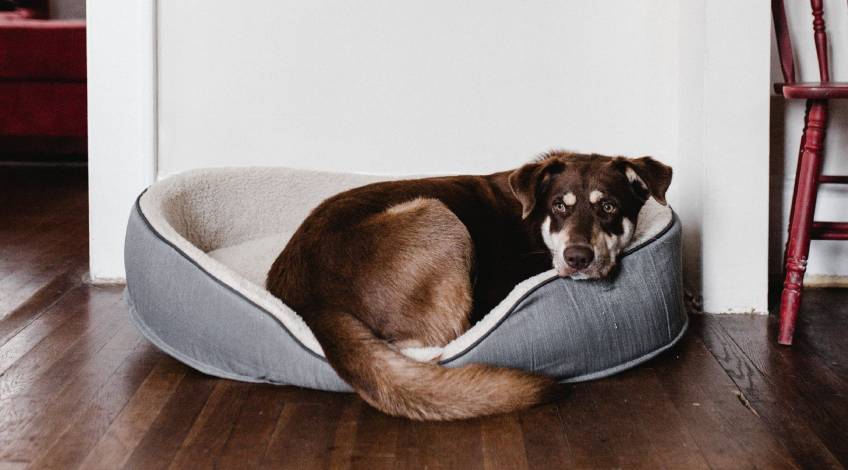
Pet owners have it particularly rough because animal hair is stubborn. It clings to everything, including the inside of your washing machine. That seal becomes a collection point for fur, dander, dirt from muddy paws and whatever else your furry friend has rolled in recently.
The worst part? You probably can’t see most of it until you actually lift up the seal and have a look. Go on, have a peek right now. We’ll wait.
Back? Feeling a bit queasy? Thought so.
Why Pet Hair Makes The Problem Ten Times Worse
Regular dirt and grime are bad enough, but pet hair takes it to another level entirely. Unlike human hair, pet fur tends to be finer and gets absolutely everywhere. It also carries dander (dead skin cells), which can trigger allergies and create an unpleasant musty smell.
When pet hair accumulates in your washing machine seal, it doesn’t just sit there looking ugly. It absorbs moisture and creates the perfect conditions for bacterial growth. This means your supposedly clean clothes might actually be coming out of the wash with more bacteria than they went in with. Lovely.
The fur also acts like a net, catching other debris and creating a sort of sludgy mat in the seal’s folds. This mat traps water, which leads to mould and mildew. Before long, your washing machine starts to smell like a wet dog, even when there’s no dog in sight.
For those of us with multiple pets or breeds that shed heavily (looking at you, Huskies and German Shepherds), the problem multiplies. You’re not just dealing with the occasional stray hair; you’re battling an actual fur invasion.
Signs Your Washing Machine Seal Needs Immediate Attention
Sometimes the problem is obvious. You open the door and get hit with a smell that makes you question every life choice that led to this moment. But other signs are more subtle.
If your freshly washed clothes smell musty or damp, even after a full cycle, your seal is probably the culprit. That mouldy smell transfers to your laundry, which means you end up washing things twice or hanging them outside to air out the stench.
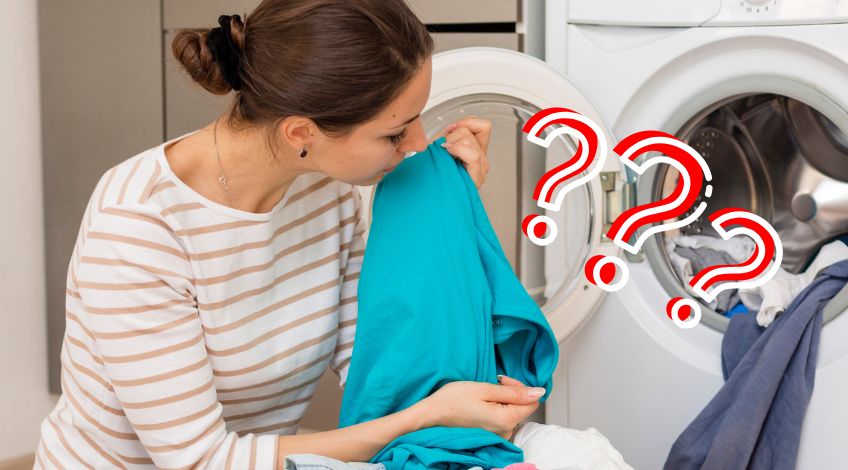
Visible black spots or discolouration on the rubber seal are another dead giveaway. That’s mould and it’s not just unsightly, it’s unhealthy. Breathing in mould spores can cause respiratory issues, especially if you’ve got allergies or asthma.
You might also notice that your clothes are coming out with mysterious dark marks or streaks. This happens when built up grime from the seal transfers onto your laundry during the wash cycle. Nothing quite like pulling out your favourite white shirt only to find it’s now sporting some questionable stains.
Pet owners should also watch for excessive fur still clinging to clothes after washing. If your jumper comes out looking like it’s wearing a fur coat of its own, your seal might be so clogged that water isn’t circulating properly.
How To Clean Your Washing Machine Door Seal Properly
Right, let’s sort this out. You’ll need a few basic supplies: white vinegar, bicarbonate of soda, an old toothbrush or small scrubbing brush and some microfibre cloths. If you’re dealing with serious mould, you might also want some diluted bleach (but more on that in a moment).
Start by mixing equal parts water and white vinegar in a spray bottle. Pull back the rubber seal to expose all those hidden folds and prepare yourself for what you’re about to see. Spray the vinegar solution generously all over the seal, making sure you get into every crevice.
Let it sit for about five minutes. The vinegar’s acidity helps break down mould, mildew and soap scum, while also neutralising odours. For pet owners, this step is crucial because vinegar also helps eliminate the smell of dander and any bacteria that’s been having a field day in there.
Next, grab your toothbrush and start scrubbing. Work your way around the entire seal, paying special attention to the bottom where water and debris tend to pool. You’ll probably be horrified by the amount of gunk that comes away. That black stuff? Mould. Those clumps? Pet hair mixed with soap residue. That slimy feeling? Best not to think about it too much.
For particularly stubborn mould patches, make a paste with bicarbonate of soda and a little water. Apply it directly to the affected areas and let it sit for ten minutes before scrubbing again. The bicarbonate of soda is mildly abrasive, so it helps lift stubborn grime without damaging the rubber.
Once you’ve scrubbed everything thoroughly, wipe down the seal with a damp microfibre cloth to remove all the loosened debris. Then do a final wipe with a dry cloth to remove any remaining moisture. This last step is important because leaving the seal damp just invites more mould to set up camp.
If you’re dealing with really severe mould growth (we’re talking extensive black patches), you might need to use diluted bleach. Mix one part bleach with four parts water, apply it carefully to the mouldy areas, let it sit for five minutes, then rinse thoroughly. Just make sure your bathroom is well ventilated, and never mix bleach with other cleaning products, especially vinegar or anything containing ammonia.
Dealing With Pet Hair Specifically
Pet hair deserves its own special attention because it’s so bloody persistent. Before you even start cleaning the seal, run an empty hot wash cycle with two cups of white vinegar. This helps flush out any loose fur and debris from the drum and drain.
After the vinegar cycle, check the seal and remove any visible clumps of fur by hand. You might want to wear rubber gloves for this bit because it can get pretty grim. Once you’ve pulled out the obvious chunks, proceed with the vinegar spray and scrubbing method described above.
For pet owners, it’s worth investing in a washing machine lint trap or filter cleaning brush. These tools help capture fur before it reaches the seal, which means less frequent deep cleaning sessions. You can find them online for just a few quid and they’re genuinely worth it.
Another tip: shake out pet bedding and blankets outside before tossing them in the wash. This removes a surprising amount of loose fur and reduces the load on your washing machine’s drainage system. Your neighbours might wonder why you’re aggressively shaking a dog bed in the garden, but your washing machine will thank you.
Some people swear by adding a half cup of white vinegar to their regular wash loads when cleaning pet items. The vinegar helps break down oils and dander while softening the fur, making it less likely to stick to the seal. It also acts as a natural fabric softener and deodoriser, which is handy when you’re washing something that smells like wet dog.
How Often Should You Clean The Door Seal
For pet owners, monthly cleaning is the absolute minimum. If you’ve got multiple pets or you’re washing pet bedding more than twice a week, you should probably be cleaning the seal every fortnight.
Between deep cleans, get into the habit of giving the seal a quick wipe down after every few washes. Just pull back the rubber, wipe away any visible debris or moisture with a cloth and you’re done. This takes literally 30 seconds and prevents the build up from getting out of control.
Leave your washing machine door open between uses to allow air circulation. This simple habit prevents moisture from getting trapped in the seal, which dramatically reduces mould growth. Yes, it looks a bit odd having your washing machine gaping open all the time, but it’s far better than dealing with a mouldy, smelly seal.
If you notice any musty smells starting to develop, don’t wait until your scheduled cleaning day. Sort it out immediately. The longer you leave it, the worse it gets and the harder it becomes to clean.
What Happens If You Ignore The Problem
Let’s be real for a second. If you ignore your washing machine seal, you’re not just dealing with something that’s a bit unpleasant. You’re creating actual health hazards and potentially damaging an expensive appliance.
Mould and mildew release spores into the air every time you open the washing machine door. These spores can aggravate allergies, trigger asthma attacks and cause respiratory problems, especially in children and elderly people. For pet owners who already deal with dander allergies, adding mould spores to the mix is asking for trouble.
The mould doesn’t just stay in the seal either. It spreads to your clothes, your towels and your bedding. You end up sleeping in sheets that have been exposed to mould spores. Your clothes carry that musty smell wherever you go. It’s grim.
From a practical standpoint, ignoring the seal can also damage your washing machine. Built up grime can cause the seal to deteriorate faster, leading to leaks. Water leaking from your washing machine can cause serious damage to your flooring and create even more mould problems in your home.
Replacement seals aren’t cheap, and if water damage extends beyond the seal itself, you might be looking at hundreds of pounds in repairs or even a new washing machine altogether. All because you couldn’t be bothered to spend ten minutes cleaning the seal every few weeks.
Keep Your Washing Machine Fresh And Fur Free
Nobody wants to think about what’s lurking in their washing machine seal, but ignoring it won’t make the problem go away. For pet owners, regular seal maintenance isn’t just about keeping things clean; it’s about protecting your health, your clothes and your appliance investment.
Your washing machine works hard to clean up after your furry friends. The least you can do is return the favour by keeping its seal in decent nick. Besides, there’s something oddly satisfying about seeing all that gunk come away, knowing your clothes will come out properly clean from now on.
If you found this helpful, share it with your fellow pet owners on Facebook! They’ll probably thank you (after they’ve finished being horrified by what they found in their own washing machine seals).
SEE ALSO: Is Your Mattress Really Clean? Here’s How To Tell (And What To Do)
Also, follow us on Pinterest ...