Is Your Mattress Really Clean? Here’s How To Tell (And What To Do)
You spend roughly a third of your life in bed, but when was the last time you actually thought about what’s lurking in your mattress? If you suffer from allergies, wake up with a stuffy nose or find yourself sneezing more at night, your mattress might be harbouring some unwelcome guests. We’re talking about dust mites, dead skin cells and allergens that could be affecting your breathing and sleep quality. The good news? There are simple ways to tell if your mattress needs attention and even better ways to sort it out without spending a fortune.
The Nasty Truth About What Lives In Your Mattress
Here’s something that might make your skin crawl: the average mattress can contain anywhere from 100,000 to 10 million dust mites. These microscopic creatures feed on the dead skin cells you naturally shed every night, and they absolutely thrive in the warm, humid environment your body creates whilst you sleep.
But dust mites aren’t the only problem. Your mattress also collects:
Body oils and sweat that seep through your sheets and into the mattress fibres, creating the perfect breeding ground for bacteria. Over time, this can lead to unpleasant odours and potential skin irritations.
Pet dander if you share your bed with furry friends. Even if your pets don’t sleep on your bed, their dander can still make its way there through your clothes and the air.
Pollen and outdoor allergens that cling to your hair, skin and clothing throughout the day. You then transfer these allergens directly onto your mattress every time you lie down.
Mould spores in damp environments, which can grow unnoticed inside your mattress and trigger serious respiratory issues for those with sensitivities.
For people already dealing with allergies, asthma or respiratory conditions, these hidden irritants can turn your bedroom into a nightmare instead of a sanctuary.
How To Tell If Your Mattress Is Actually Clean
Not sure if your mattress needs a proper clean? Here are the telltale signs:
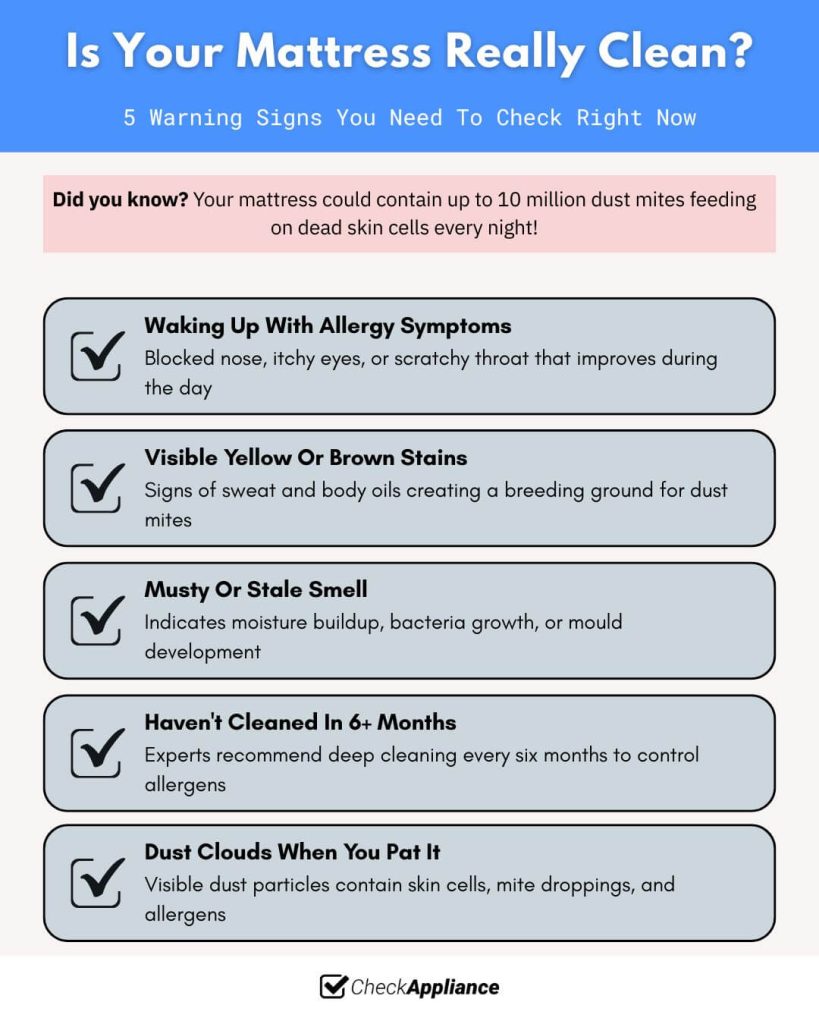
You’re Waking Up With Allergy Symptoms
If you’re consistently waking up with a blocked nose, itchy eyes or a scratchy throat, your mattress could be the culprit. These symptoms often improve throughout the day once you’re away from your bed, only to return the next morning. This pattern is a strong indicator that dust mites or other allergens in your mattress are triggering your reactions.
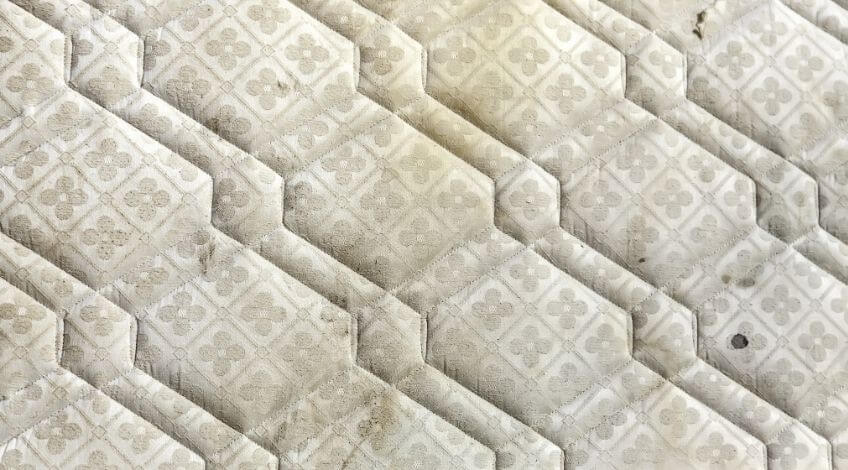
There Are Visible Stains
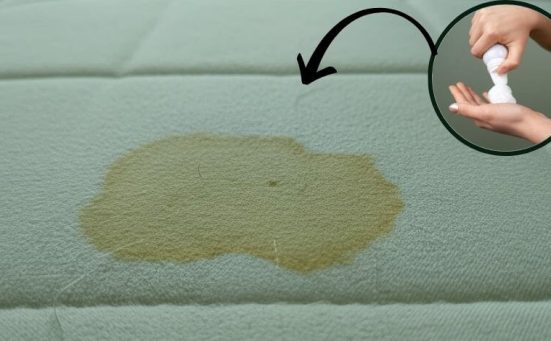
Yellow or brown stains on your mattress are more than just unsightly. They’re signs of sweat, body oils and other bodily fluids that have seeped into the fabric. These stains create an environment where bacteria and dust mites can flourish, making your allergy symptoms worse.
Your Mattress Smells Musty
Give your mattress a good sniff (we know, it sounds odd, but bear with us). If it smells musty, stale or just a bit off, that’s a sign of moisture buildup, bacteria growth or mould development. Fresh, clean mattresses shouldn’t have any noticeable odour.
It’s Been More Than Six Months Since You Last Cleaned It
If you can’t remember the last time you properly cleaned your mattress, that’s your answer right there. Most experts recommend deep cleaning your mattress every six months to keep dust mites and allergens under control.
You Can See Dust When You Pat The Mattress
Here’s a quick test: on a sunny day, pull back your bedding and give your mattress a few firm pats. If you see dust particles floating in the air, your mattress is overdue for a clean. That dust contains dead skin cells, dust mite droppings and other allergens you definitely don’t want to be breathing in all night.
The Complete Guide To Getting Your Mattress Properly Clean
Now that you know your mattress needs attention, let’s get it sorted. Here’s how to tackle each aspect of mattress cleaning:
Strip Everything And Wash Your Bedding Properly
This might seem obvious, but there’s a right way to do it. Remove all your bedding, including the mattress protector if you have one. Wash everything in hot water (at least 60°C) to kill dust mites and their eggs. Cold water won’t do the job properly, so make sure your washing machine is set to a hot cycle.
For pillows, check the care label, but most can go in the washing machine too. Getting rid of allergens in your pillows is just as important as cleaning your mattress.
Vacuum Every Single Surface
Here’s where many people go wrong: they only vacuum the top of the mattress. You need to vacuum all sides, including the bottom and edges where dust and allergens love to hide.
Use the upholstery attachment on your vacuum cleaner and work in overlapping strokes. Pay extra attention to seams, tufts, and any crevices where dust mites tend to congregate. If you have a vacuum with a HEPA filter, even better, it’ll trap more of the tiny allergen particles.
Go over the entire surface at least twice. The first pass loosens debris, and the second pass picks up what the first one stirred up.
Use Bicarbonate Of Soda For Deep Cleaning
Bicarbonate of soda is brilliant for mattress cleaning because it naturally absorbs odours and helps lift stains. This is because its alkaline nature neutralises acidic odours trapped in the fabric.

Sprinkle a generous layer of bicarbonate of soda over the entire surface of your mattress. Don’t be shy, you want enough to really coat it. For extra freshness and added antibacterial properties, you can mix in a few drops of lavender or tea tree essential oil before sprinkling.
Let it sit for at least an hour, but longer is better. If you can leave it for 3 to 4 hours (or even overnight), the bicarbonate of soda will have more time to work its way into the fabric and neutralise odours and moisture.
After it’s had time to work, vacuum it all up thoroughly. You’ll notice your mattress smells fresher and feels cleaner.
Tackle Stains With A Gentle Cleaning Solution
For those stubborn yellow stains, you’ll need to spot clean. Mix up a solution using these natural ingredients that won’t damage your mattress fabric:
For general stains
Combine 240ml of hydrogen peroxide, 3 tablespoons of bicarbonate of soda, and a few drops of washing up liquid. This creates a gentle but effective cleaning solution.
Spray the solution onto the stained areas (don’t soak the mattress, just dampen it) and let it sit for about 10 minutes. Blot with a clean, dry cloth. Don’t rub, as this can push the stain deeper into the fibres. Repeat if necessary.
For biological stains
Use cold water mixed with a bit of enzyme based laundry detergent. Enzymes break down proteins in biological stains without the need for harsh scrubbing.
Remember, you never want to completely saturate your mattress with liquid. Too much moisture can lead to mould growth, which is exactly what you’re trying to avoid!
Let Your Mattress Dry Completely
This step is absolutely crucial for preventing mould and mildew growth. After cleaning, your mattress needs to dry thoroughly before you put any bedding back on.
Open windows to increase air circulation in the room. If it’s a sunny day, position the mattress near a window where sunlight can reach it. Sunlight is nature’s disinfectant and helps kill any remaining dust mites and bacteria.
You can speed up the drying process by:
- Using a fan to blow air across the mattress surface. Position it so the air circulates all around the mattress, not just on one spot.
- Placing the mattress on its side if possible, allowing air to reach more surfaces at once.
- Using a dehumidifier in the room to pull moisture from the air.
Don’t rush this step. A damp mattress is a breeding ground for mould, which is far worse for your respiratory health than dust mites. Make sure it’s completely dry to the touch before you make the bed again.
Flip Or Rotate Your Mattress
Whilst your mattress is bare and clean, take the opportunity to flip it or rotate it. This helps distribute wear evenly and prevents body impressions from forming in one spot.
Check your mattress label for specific instructions, as some modern mattresses (like pillow tops) aren’t designed to be flipped. However, most can at least be rotated 180 degrees.
Bonus Steps To Keep Your Mattress Allergen Free
Once you’ve got your mattress clean, you’ll want to keep it that way. Here are some practical habits to maintain a healthier sleeping environment:
Invest In A Quality Mattress Protector
This is hands down the best investment you can make for mattress hygiene. A good mattress protector creates a barrier between you and your mattress, catching sweat, skin cells and allergens before they can penetrate the mattress fabric.
Look for one that’s specifically designed to be allergen proof or dust mite proof. These are made with tightly woven fabric that prevents even microscopic dust mites from getting through.
The best part? You can simply throw the protector in the washing machine once a month. It’s much easier than cleaning the entire mattress!
Wash Your Bedding Weekly In Hot Water
Your sheets, pillowcases and duvet covers should go in the wash every week. This might sound excessive, but it makes a massive difference in controlling allergens.
That hot water temperature (60°C or higher) is important. It’s the heat that kills dust mites and their eggs, not just the detergent. If you’re washing in cooler water to save energy, consider using a laundry sanitiser designed to kill allergens in cold water.
Keep Your Bedroom Well Ventilated
Dust mites thrive in humid environments. Keep your bedroom humidity levels below 50% to make it less hospitable for them.
Open your windows daily for at least 10 to 15 minutes to let fresh air circulate. This helps remove moisture and stale air that can contribute to allergen buildup.
If you live in a particularly humid area, a dehumidifier can be a worthwhile investment for your bedroom.
Vacuum Your Bedroom Regularly
It’s not just your mattress that needs vacuuming. Dust and allergens settle on every surface in your bedroom, so give the entire room a thorough vacuum at least once a week.
Pay special attention to carpets, rugs and soft furnishings. If you have hard floors, a damp mop works better than a dry mop or broom, which can just kick dust back into the air.
Keep Pets Off The Bed
We know, we know. Your furry friend loves snuggling up with you, and it’s lovely. But pet dander is a major allergen trigger.
If you’re struggling with allergies or respiratory issues, keeping pets off the bed (and ideally out of the bedroom altogether) can make a significant improvement to your symptoms.
If you absolutely can’t bear to ban your pet from the bedroom, at least make sure they’re not sleeping directly on your pillows or under your duvet where allergens can accumulate.
Replace Your Mattress When Necessary
Even with the best care, mattresses don’t last forever. Most experts recommend replacing your mattress every 7 to 10 years.
If your mattress is sagging, has permanent stains that won’t come out, or your allergy symptoms persist despite regular cleaning, it might be time for a new one.
When To Consider Professional Mattress Cleaning
Sometimes, despite your best efforts, you might need to call in the professionals. Consider professional mattress cleaning if:
- You’ve had a severe spill that’s soaked deep into the mattress. Professional equipment can extract moisture more thoroughly than home cleaning methods.
- Your mattress has visible mould growth. This is a health hazard that requires professional treatment. Don’t try to clean mould yourself if it’s extensive, you could spread spores throughout your home.
- You’re moving into a new place with a secondhand mattress. You don’t know what’s lurking in there, so a professional deep clean is worth the investment for peace of mind.
- You have severe allergies and home cleaning isn’t providing enough relief. Professional cleaners use industrial strength equipment and specialised treatments that are more effective at eliminating allergens.
Professional mattress cleaning typically costs between £30 and £70, depending on your location and the size of your mattress. It’s usually worth it for the thoroughness of the clean!
Sleep Better Tonight With A Cleaner Mattress
Your mattress plays a huge role in your overall health and sleep quality. For anyone dealing with allergies or respiratory issues, keeping it clean isn’t just about hygiene, it’s about being able to breathe easier and wake up feeling refreshed instead of stuffy and miserable.
The good news is that maintaining a clean mattress doesn’t require expensive products or hours of work. With regular vacuuming, periodic bicarbonate of soda treatments and a good mattress protector, you can create a healthier sleeping environment that lets you rest easy.
Start with a thorough clean this weekend, then build these simple maintenance habits into your routine. Your lungs (and your sleep) will thank you!
If you found these tips helpful, share them with friends who might be struggling with similar issues!
SEE ALSO: The Simple Bicarbonate Of Soda Trick That Keeps Your Bin Smelling Fresh
Also, follow us on Pinterest ...