The Most Common Keto Mistakes (And How to Fix Them)
The ketogenic (keto) diet has surged in popularity over the past few years, promising rapid weight loss, improved mental clarity, and better overall health. By significantly reducing carbohydrate intake and increasing healthy fats, the body enters a metabolic state called ketosis, where it burns fat for fuel instead of glucose.
While many people achieve excellent results with keto, others struggle due to common mistakes that can hinder progress and even lead to health complications. If you are experiencing sluggishness, stalled weight loss, or other setbacks, you might be making one of these errors. Fortunately, most of these issues have simple solutions. This article will explore the most common keto mistakes and provide practical tips to get back on track.
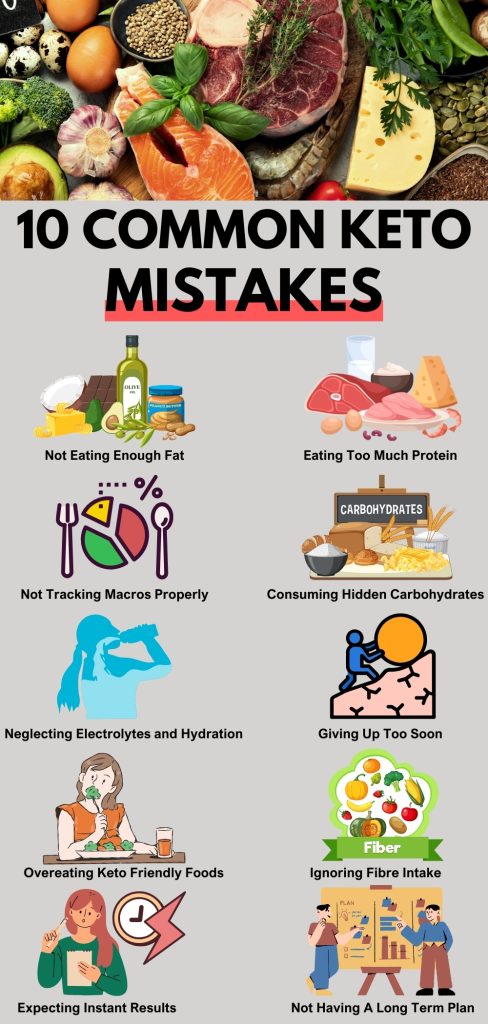
10 Common Keto Mistakes

To help you get, and stay on track with your keto lifestyle, we’ve identified 10 common mistakes and included the way to solve these issues. They include;
1. Not Eating Enough Fat
One of the main principles of the keto diet is increasing fat intake, yet many beginners struggle with this. Years of low fat dieting may have ingrained the habit of avoiding fats, leading some to focus only on cutting carbs without adequately replacing them with healthy fats.
How To Fix
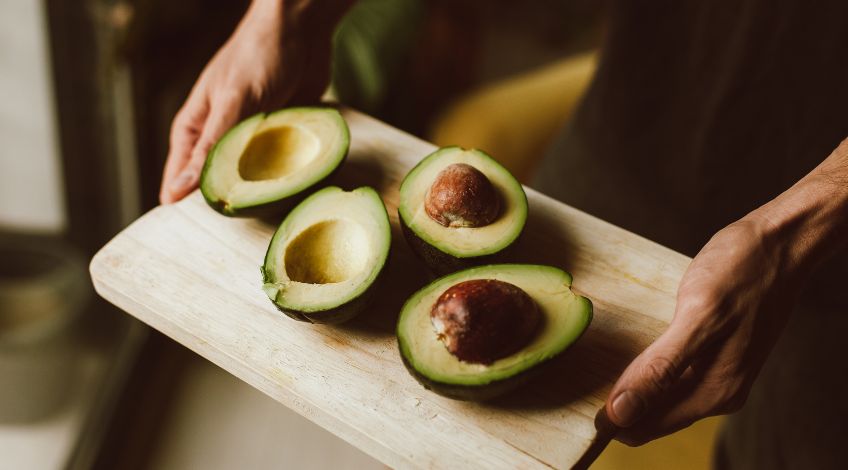
Make healthy fats the cornerstone of your diet. Include avocados, nuts, seeds, olive oil, coconut oil, butter, and fatty fish. Try adding more oils to your meals, eating fattier cuts of meat, and using cheese or cream in recipes.
2. Eating Too Much Protein
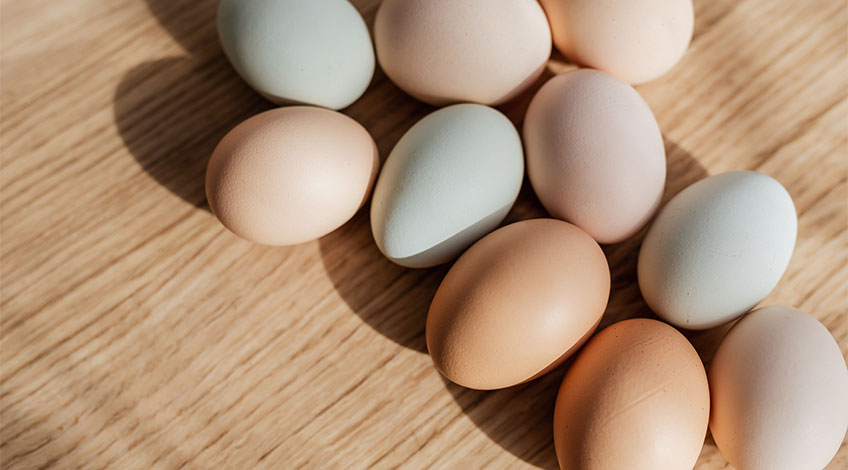
While protein is essential, consuming too much can prevent ketosis. The body can convert excess protein into glucose through gluconeogenesis, which may keep insulin levels elevated and slow fat burning down.
How To Fix
Stick to moderate protein intake. Aim for about 20 to 25% of your daily calories from protein, focusing on sources like eggs, fatty fish, and meat rather than protein shakes or lean meats.
3. Not Tracking Macros Properly
Many people assume they are eating the right ratios but fail to measure their intake accurately. This can lead to unknowingly consuming too many carbohydrates or too little fat, which can halt ketosis.
How To Fix
Use a macro-tracking app to monitor your daily intake of carbs, fats, and proteins. Ensure that 70 to 80% of your calories come from fat, 20 to 25% from protein, and only 5 to 10% from carbohydrates.
4. Consuming Hidden Carbohydrates
Carbs can sneak into your diet through sauces, processed foods, dressings, and even certain vegetables. Many “low carb” or “keto friendly” products still contain enough carbohydrates to interfere with ketosis.
How To Fix
Always check food labels and ingredient lists. Stick to whole, unprocessed foods and prepare meals at home to control what goes into them.
5. Neglecting Electrolytes and Hydration

When starting keto, the body loses water and electrolytes due to the depletion of glycogen stores. This can cause symptoms like headaches, fatigue, and muscle cramps, often referred to as the “keto flu.”
How To Fix
Stay hydrated and replenish electrolytes by consuming more sodium, potassium, and magnesium. Drink plenty of water, add salt to meals, and eat foods rich in these minerals, such as spinach, avocados, nuts, and bone broth.
6. Giving Up Too Soon
The initial change to keto can be challenging, leading some to abandon it within the first week. Symptoms of the keto flu can make people feel unwell, discouraging them from continuing.
How To Fix
Be patient and give your body time to adapt. Symptoms usually subside within a week as the body becomes more efficient at burning fat. Gradually reduce carb intake before going full keto to ease the transition.
7. Overeating Keto Friendly Foods
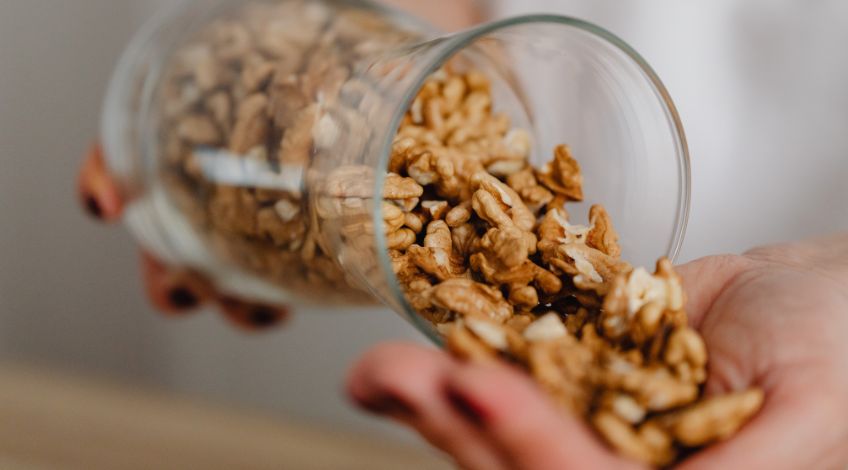
Just because something is keto approved doesn’t mean it should be consumed in unlimited quantities. Overeating nuts, cheese, and keto desserts can lead to excessive calorie intake, stalling weight loss.
How To Fix
Practice portion control and eat mindfully. Even on keto, calories still matter for weight management. Focus on whole, nutrient dense foods and avoid relying too much on processed keto snacks.
8. Ignoring Fibre Intake
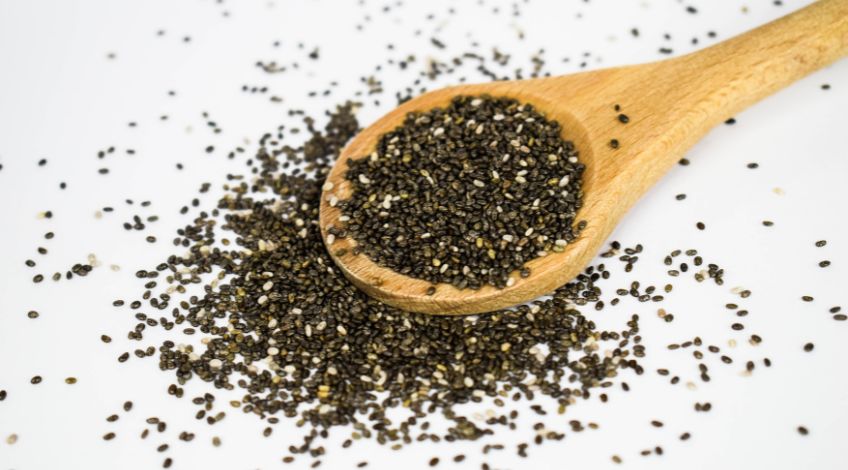
A lack of fibre can lead to digestive issues like constipation, which is a common complaint among keto dieters. Since many high fibre foods are also high in carbohydrates, it can be challenging to get enough.
How To Fix
Incorporate low carb, high fibre foods such as leafy greens, flaxseeds, chia seeds, and non-starchy vegetables. You can also supplement with psyllium husk or ground flaxseed if needed.
9. Expecting Instant Results
Many people start keto expecting rapid weight loss and dramatic changes overnight. While some experience quick initial weight loss due to water loss, long term fat loss takes time and consistency.
How To Fix
Set realistic expectations and focus on overall health rather than just the number on the scale. Take progress photos, measure inches, and track energy levels to see improvements beyond weight.
10. Not Having A Long Term Plan
Some people view keto as a short term fix rather than a sustainable lifestyle. Without a plan for maintenance, many revert to old habits and regain lost weight.
How To Fix
Decide on a long term strategy that suits your lifestyle, whether it’s strict keto, cyclical keto, or a low carb approach. Concentrate on sustainable habits like meal planning, cooking at home, and finding keto friendly alternatives to favourite dishes.
So There You Have It
Starting and maintaining a successful keto diet requires more than just cutting carbs; it involves strategic planning, patience, and awareness of potential pitfalls. By avoiding these common mistakes and implementing the suggested fixes, you can focus your keto journey and achieve your health and weight loss goals.
Stay consistent, listen to your body, and enjoy the benefits of a well formulated ketogenic lifestyle! And above all, don’t give up! If you found this brief article helpful, share it with your socials so others can find help and inspiration while following a keto diet.
SEE ALSO: Keto Friendly Fruit – The Ones You Can Eat On Keto
Also, follow us on Pinterest ...