Keto Friendly Fruit – The Ones You Can Eat On Keto
If you’re considering a ketogenic or keto diet, you might have heard that some fruit is OK to eat. Or you might have been told to keep away from fruit altogether. So, which advice is right and which will lead you down the wrong path.
The idea of the keto diet is to put the body into a metabolic state known as ketosis. That’s where the body starts burning fat as its source of energy instead of glucose (which it does when consuming a carbohydrate (carb) rich diet).
How Does Ketosis Work?
When you follow a ketogenic diet, your body enters a state called ketosis, where it switches from using glucose (from carbohydrates) to burning fat for fuel. This process happens because carbohydrate intake is drastically reduced, leading to lower insulin levels. As a result, the liver starts converting stored fat into ketones, which become the body’s primary energy source.
Since sugar and carbohydrates are quickly converted into glucose, consuming too much fruit can interfere with ketosis. That’s why selecting low carb, keto friendly fruits is essential.
To achieve ketosis you need to make fats 65 to 75% of your daily eating followed by 20 to 30% protein and 5% carbs. Now the body can turn sugars into carbs which is why you need to be careful when consuming fruit.
In this brief article we’ll show you the best fruits to eat to remain in ketosis and the fruits to avoid. Keep reading to find out more.
The Carb Vs Fibre Content Of Fruit
It turns out that fibre is a type of carbohydrate, but it’s a good thing to include some fibre in your diet for the healthy functioning of your gut. Fibre doesn’t remain in your body long, it simply works its way through your intestine and leaves as a waste product.
Which means when reckoning on the carb content of fruits (and vegetables) you deduct the amount of fibre from the overall carb content. What’s left is the net carbs of that particular fruit (or vegetable).
That doesn’t mean that all fruits are created equal however, so you still need to be selective in the type of fruit you eat.
Net Carbs Vs Glycaemic Index: What Matters More?
While net carbs are a key focus of keto, some people also consider the glycaemic index (GI), which measures how quickly a food raises blood sugar levels. Some fruits, even if they have moderate carbs, have a lower GI and a gentler effect on blood sugar.
For example:
Raspberries (GI: 32) and blackberries (GI: 25) Low GI and keto-friendly.
Watermelon (GI: 72) and bananas (GI: 51) Higher GI and not suitable for keto.
By choosing fruits with both a low net carb count and a low GI, you can minimise blood sugar spikes and stay in ketosis.
Do We Need To Eat Fruit On A Keto Diet?
The short answer to this is no, we don’t need to eat fruit when following a keto diet plan. We can get all of the fibre and nutrients from low carb vegetables. But sometimes it’s just nice to treat ourselves with some fruit.
The trick is to weigh everything and only eat low carb fruits (see below). You can add a few berries into your smoothies, make breakfast spreads or simply add berries to greek full fat yogurt for a tasty high fat low carb treat.
How Much Fruit Can You Eat On Keto?
Even keto friendly fruits should be eaten in moderation. Here’s a rough guide to portion sizes that keep net carbs low:
Raspberries: ½ cup (60g) = 3g net carbs
Blackberries: ½ cup (70g) = 3g net carbs
Strawberries: ½ cup (75g) = 4g net carbs
Avocado: ½ medium (100g) = 2g net carbs
Tomatoes: 1 small (90g) = 3g net carbs
Weighing your portions ensures you don’t accidentally go over your daily carb limit.
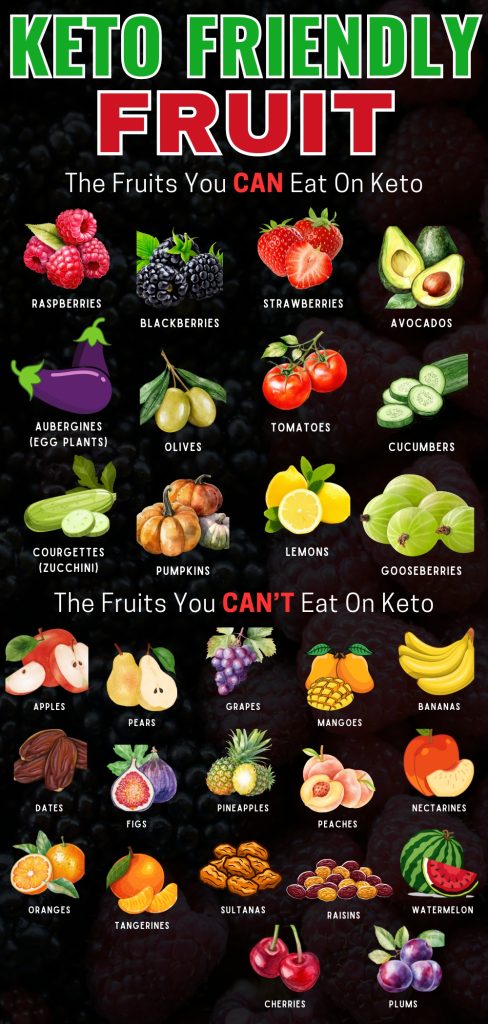
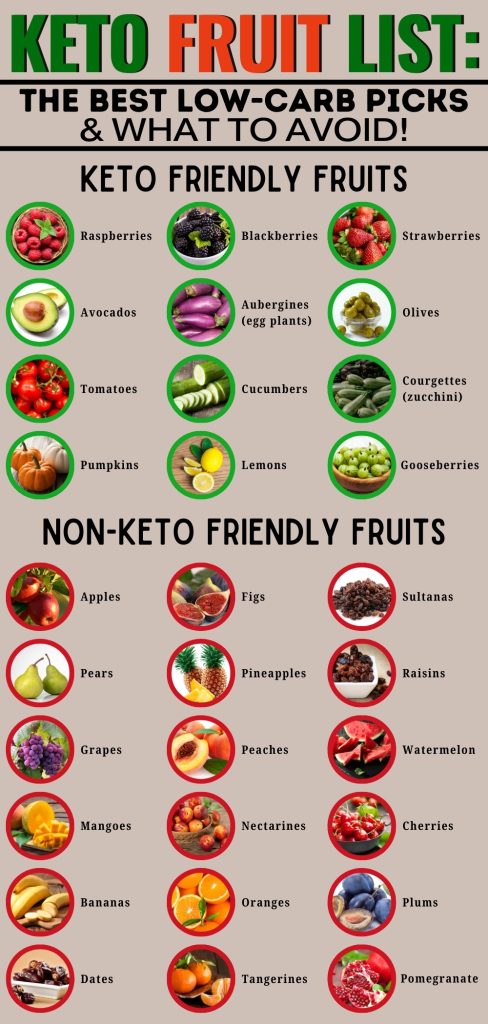
Which Fruits Are OK To Eat On Keto?
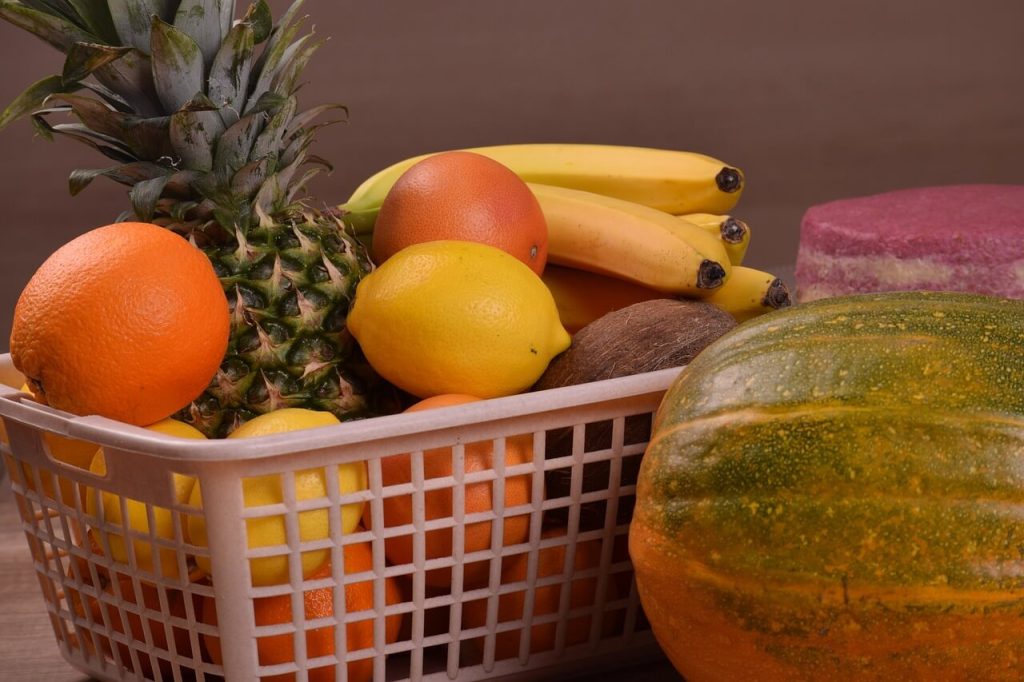
Let’s get into the best fruits to consume while maintaining ketosis. We’ll include the net carb value as well so you can be super selective and only eat those which will allow you to get your carb limit in other foods.
Raspberries
Raspberries make a sweet treat and can be added to many breakfast foods and deserts. In a 100 gram serving they contain 151 mg of potassium, 1.2 grams of protein, 5 grams of net carbs as well as 43% of your daily requirement of vitamin C, 3% iron, 5% vitamin B6, 5% magnesium and 2% calcium.
Blackberries
Blackberries are a rich source of antioxidants and although slightly tart in flavour they can really liven up a smoothie. A 100 gram serving contains 1.4 grams of protein, 5 grams of net carbs, 1 mg of sodium, 162 mg of potassium, 35% of your daily vitamin C, 3% iron, 5% magnesium and 2% calcium.
Strawberries
Nothing says summer like fresh strawberries plus a 100 gram serving contains 6 grams of net carbs, 0.7 grams of protein, 1 mg sodium, as well as 97% of your daily vitamin C, 2% iron, 3% magnesium and 1% calcium.
Avocados
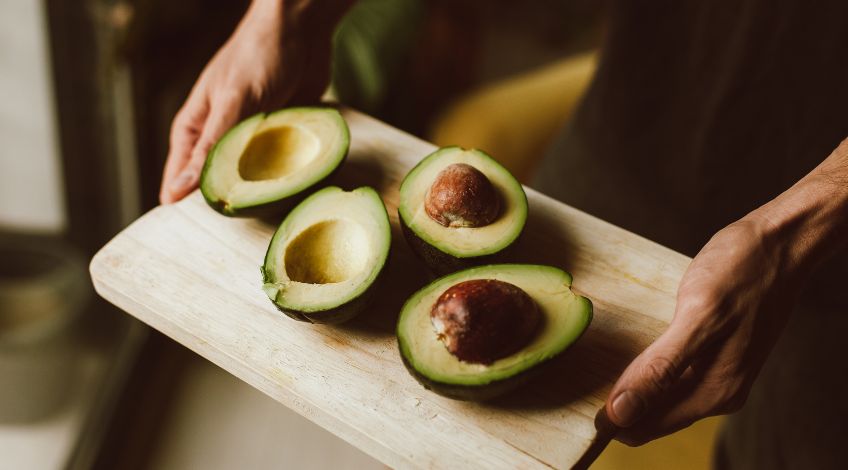
While usually served as a vegetable, avocados are technically fruits. They are also a great addition to the keto diet. They contain a whopping 22 grams of good heart healthy fat (omega 3 fatty acids) but with less than 3 grams of net carbs. They also contain 28% of your daily requirement of vitamin B5, 20% folate, 18% vitamin K, 15% B6, 14% vitamin E, 11% vitamin C, 11% B3, 10% B2, 21% copper, 10% potassium, 7% magnesium, 6% zinc, 4% phosphorus, 3% iron and 1% calcium.
Aubergines (egg plants)
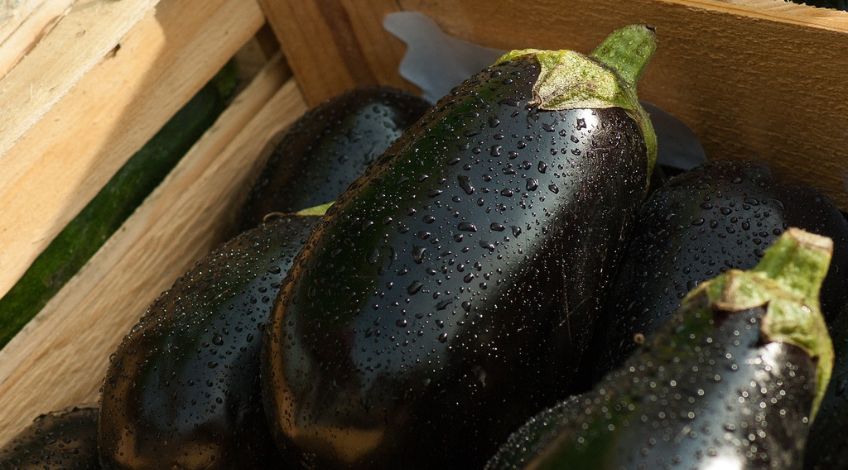
Another vegetable that’s technically a fruit, aubergines are a great addition to the keto diet. A 100 gram serving of aubergine contains 0.2 grams of net carbs due to their high fibre content. They also contain 1.75% of your daily requirements of protein, 3% vitamin B1, 3% B2, 4% B3, 5% B5, 5.5% B9, 3% vitamin C 3% vitamin K and 2% vitamin E.
Plus 9% copper, 1% calcium, 3% iron, 3% magnesium, 3.5% phosphorus, 7% potassium, 2% zinc and trace amounts of sodium and selenium.
Olives
To be classed as a fruit the item in question has to contain a seed and be grown on a plant which means that technically olives are fruits. One cup of olives contains around 21 grams of fat, and less than 1 net carb.
Plus they also contain 1.03 grams of protein, 52 mg calcium, 0.49 mg iron, 11 mg magnesium, 42 mg potassium, 1,556 mg sodium, 0.04 mg Zinc, 0.12 mg copper, 0.24 mg niacin, 0.03 mg vitamin B6, 20 micrograms Vitamin A, 3 micrograms folate, 3.81 mg Vitamin E and 1.4 micrograms vitamin K.
Tomatoes
Due to the way we use tomatoes it’s easy to think of them as vegetables, but they are technically a fruit. There have been numerous studies that show that regularly eating tomatoes can help to reduce high blood pressure because they contain lycopene (an antioxidant).
A cup of chopped tomatoes contains 5 grams of net carbs which makes tomatoes a good choice for a keto diet. They also contain 2% of your daily protein, 7% copper, 5% potassium, 3% magnesium, 2% zinc, 2% iron, 1% calcium, 5% vitamin A, 15% vitamin C, 7% vitamin K, 7% vitamin B3, 5% vitamin B6 and 4% vitamin E. They also contain lycopene, lutein, zeaxanthin, quercetin, kaempferol, naringenin, caffeic acid, flavonoids, carotenoids, phytosterols. Plus essential amino acids, linoleic and linolenic acids.
Cucumbers
Another fruit that we usually treat as a vegetable, cucumbers are mainly water which helps to keep the body hydrated. A half a cup of cucumber contains just 1.9 grams of carbs, 14% vitamin K, 5% vitamin B5, 3% vitamin C, 3% vitamin B2, 2% vitamin B9, 2% vitamin B6, 5% copper, 3% potassium, 3% manganese, 2% phosphorus, 2% iron and 2% zinc.
Gooseberries
If you find yourself longing for grapes, which are not keto friendly at all, you can substitute gooseberries. Although they look something like grapes and have a similar texture, gooseberries are members of the berry family.
A cup of gooseberries contains around 6 grams of net carbs, 30% of your daily requirement of vitamin C, 15 micrograms vitamin A, 0.88 grams protein, 1 milligram potassium and 4.5 grams sodium. They also contain trace amounts of vitamins B5 and B6 as well as flavones and anthocyanins.
Courgettes (zucchini)
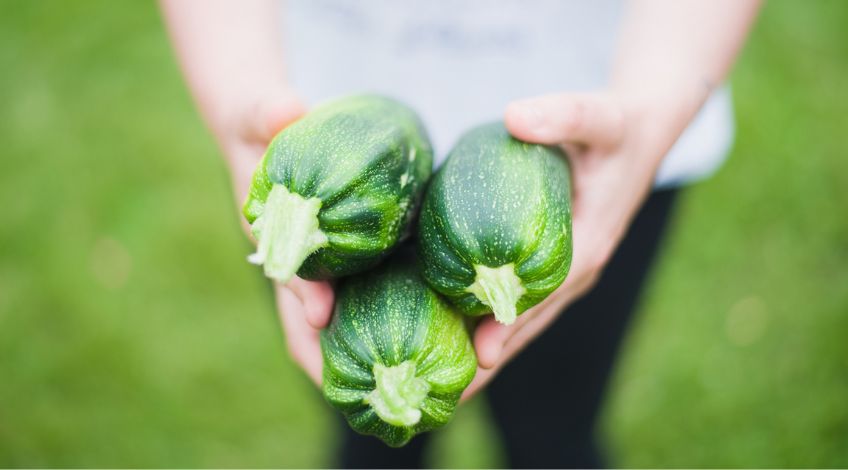
Another fruit that we treat as a vegetable but as it has seeds inside, the courgette is technically a fruit. A 100 gram serving contains around 4 grams of net carbs. It also contains 16% of your daily requirement of sodium, 2% calcium, 9% iron, 6% potassium, 11% copper, 7% lycopene, 3% magnesium, 10% manganese, 3% niacin, 5% pantothenic acid, 4% phosphorus, 3% vitamin B2, 3% vitamin A, 12% vitamin B6, 4% thiamine, 3% vitamin C and 2% zinc.
Pumpkins
Another vegetable that’s technically a fruit, pumpkins are not just for carving. A cup of pumpkin contains around 7 grams of net carbs. As well as a massive 245 % of your daily requirement of vitamin A, 19% vitamin C, 10% vitamin E, 11% riboflavin, 16% potassium, 11% copper, 2% calcium, 3% magnesium and 8% iron.
Lemons
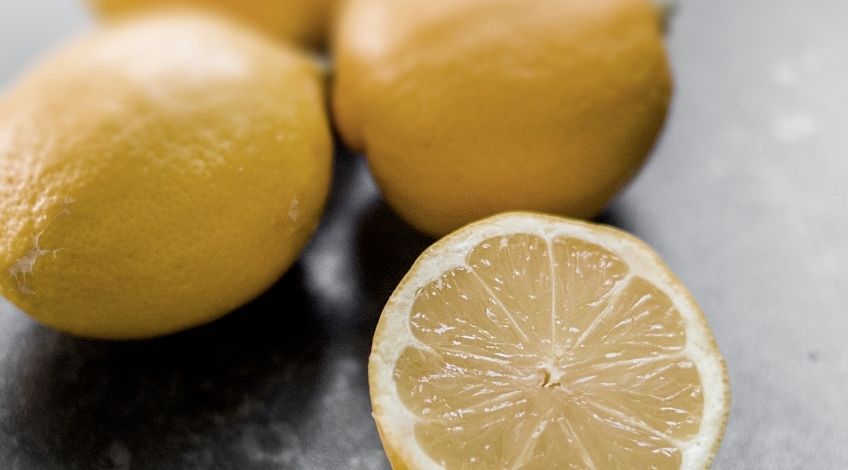
If you enjoy a dash of lemon juice with a glass of water, or like to squeeze lemon juice on your fish, you still can when sticking to a keto diet. One whole lemon contains around 4 grams of net carbs, plus 3% potassium, 2% protein, 88% vitamin C, 5% vitamin B6, 3% iron and 2% magnesium.
Plus the less you use, the less net carbs you consume. For instance, squeezing a half of a lemon over your fish reduces the net carbs by 50%.
Ways To Use Keto Friendly Fruits In Meals
Keto friendly fruits can add variety and flavour to your meals without breaking ketosis. Here are some delicious ways to use them:
- Breakfast
Add a handful of blackberries to full fat Greek yoghurt with a sprinkle of chia seeds. - Smoothies
Blend avocado with unsweetened almond milk, cocoa powder, and a sugar free sweetener for a creamy, keto friendly chocolate smoothie. - Desserts
Mash raspberries with a spoonful of whipped cream for a quick, indulgent treat. - Salads
Toss cucumber and olives with feta cheese, olive oil, and fresh herbs for a refreshing low carb salad. - Main Meals
Pair grilled chicken or salmon with tomatoes and courgettes for a nutrient rich keto dish.
These simple ideas help you enjoy fruit while staying within your carb limits.
Are There Any “Middle Ground” Fruits?
While most high carb fruits should be avoided on keto, some fruits fall into a grey area, they are moderate in carbs and might fit into a keto diet in tiny portions.
Examples include:
- Kiwi
8g net carbs per 100g. Can be eaten in small amounts for variety. - Pomegranate
9g net carbs per ½ cup. Often used as a garnish rather than eaten in large quantities. - Coconut
While coconut flesh is higher in carbs, it also contains healthy fats and fibre, making it an option for some keto eaters.
If you choose to include these, be mindful of your daily carb intake to avoid going over your limit.
Which Fruits Should Be Avoided On Keto?
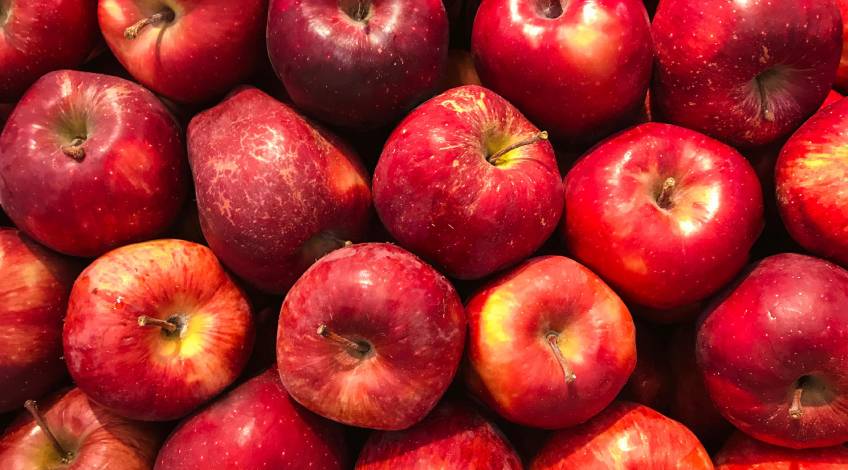
All of the following fruits are considered to be a healthy choice. But, if you’re following a keto diet, they should be avoided due to their high carbohydrate or sugar
content. They include;
- Apples
- Pears
- Grapes
- Mangoes
- Bananas
- Dates
- Figs
- Pineapples
- Peaches
- Nectarines
- Oranges
- Tangerines
- Sultanas
- Raisins
- Watermelon
- Cherries
- Plums
You should also keep away from all fruit smoothies and fruit juices except for lemon and lime juice (as long as no sugar has been added).
Beware Of Hidden Carbs In Fruit Based Products

Even if you avoid high carb fruits, certain fruit based products can be unexpectedly high in sugar and carbohydrates, including:
- Dried fruit (raisins, dates, cranberries)
Concentrated sugar, very high in carbs. - Fruit yoghurts
Often contain added sugar, even if labelled “low-fat.” - Pre-made smoothies
Even without added sugar, they contain too many natural sugars. - Canned fruit
Often packed in sugary syrup, increasing carb content. - Fruit based sauces and dressings
Check labels for hidden sugars in products like balsamic glaze or teriyaki sauce.
Always read the nutrition labels to ensure your choices align with your keto goals.
Common Myths About Fruit On Keto
There are a few misconceptions about fruit and the keto diet. Let’s clear them up:
- “All fruit is off limits on keto”
Not true! Many low carb fruits fit perfectly into a keto plan when eaten in moderation. - “Lemon and lime juice will kick you out of ketosis”
Completely false! A squeeze of lemon or lime adds minimal carbs and can enhance flavour without affecting ketosis. - “You must avoid fruit completely to stay in ketosis”
While some people go zero carb, you can still enjoy certain fruits in controlled portions.
Understanding which fruits to eat and how much to consume helps you maintain ketosis without feeling deprived.
What Are Keto Fruits?
Keto fruits are any fruit that contains a low net carb value. These are OK to eat when following a keto diet. However, you still need to control the size of the portion with almost all keto friendly fruits to remain in ketosis.
Other high carb, high sugar fruits should be avoided at all costs to prevent losing the desired metabolic ketosis state.
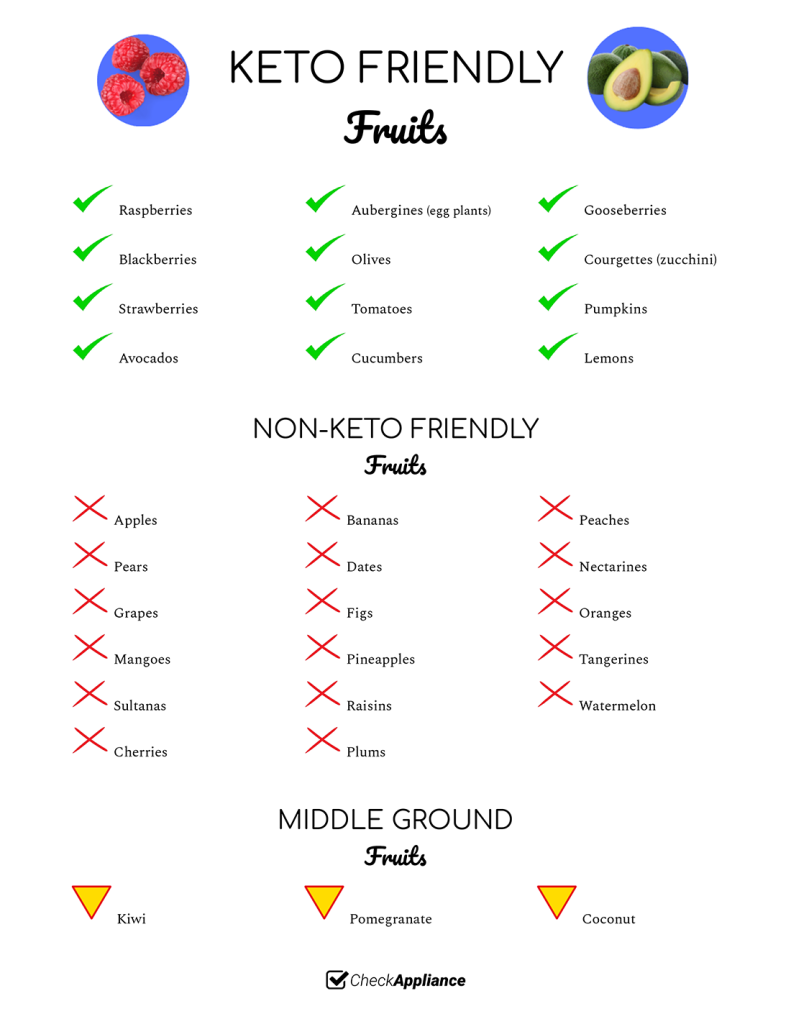
Print This Off!
Over To You
So there you have all of the keto friendly fruits and keto friendly fruits posing as vegetables. Can you think of any we’ve missed? Which are your favourite and how do you serve them?
Let us know in the comments and don’t forget to share this article with your socials so others can benefit from this information as well.
SEE ALSO: Keto Friendly Vegetables – The Veggies You Can Eat On Keto
Also, follow us on Pinterest ...