Dishwasher Not Drying Properly? This Simple Fix Might Be All You Need
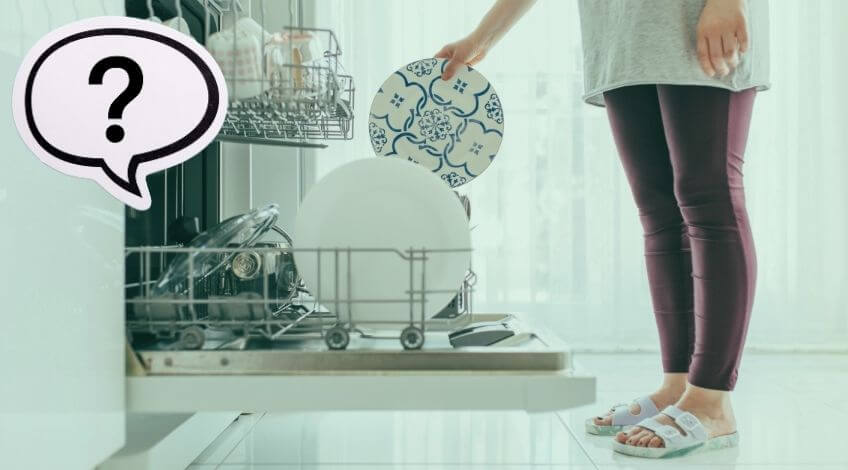
If your dishwasher is leaving your plates wet and your patience worn thin, you’re not alone. A full cycle finishes, the machine beeps, you open the door expecting steam and sparkle, only to find puddles and drip marks instead. But before you write it off as broken, try this: a five minute towel trick that could change everything.
This easy method is perfect for anyone trying to get more life out of their cookware, avoid rust spots on knives, and skip the annoying tea towel dance. Best of all, it doesn’t involve buying any fancy gadget or calling in a professional.
Let’s break it down.
Try The Terry Cloth Hack Before Anything Else
If you’ve been pulling out damp mugs and soggy Tupperware, here’s the fix to try first.
As soon as the dishwasher finishes its cycle, crack open the door slightly and hang a clean terry cloth tea towel over the top edge. Close the door again gently with the towel in place. Then just wait five minutes.
What happens is simple: the remaining steam inside gets absorbed by the towel instead of clinging to your dishes. When you come back, your plates, bowls, and glasses are properly dry and ready to go into the cupboard. No streaks, no drips, no faffing around with kitchen roll.
It’s the kind of small change that makes life easier, especially if you’re someone who relies on your dishwasher daily to keep things moving.
Stop Overloading Your Dishwasher
If your dishes always come out wet, it might not be the machine’s fault. A crammed dishwasher doesn’t leave space for hot air to circulate, which means things stay damp longer.
Try spacing your items out, especially on the top rack where cups and plastic containers tend to trap water. Avoid overlapping bowls or stacking lids on top of each other.
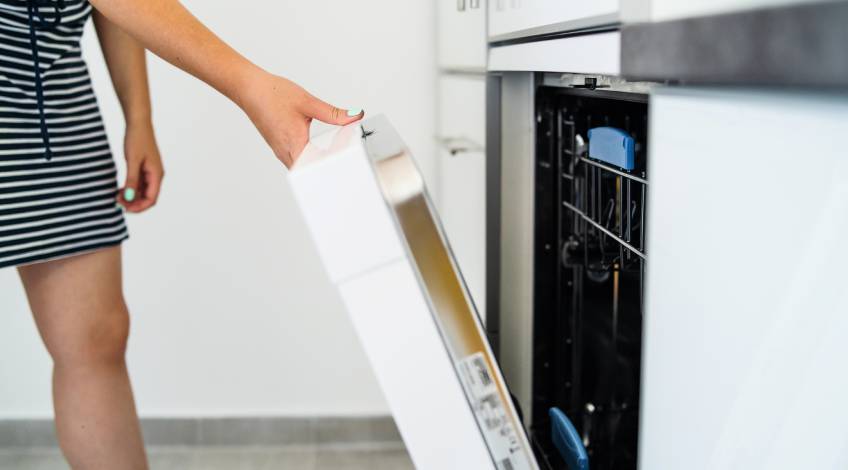
This small change can help everything dry more evenly, and you’ll notice fewer of those frustrating little pools in upside down cups.
Use Rinse Aid: It’s Not Just For Shine
It might feel like a marketing gimmick, but rinse aid really does help with drying. It reduces the surface tension of water, so instead of clinging to your dishes, the water sheets off.
That means fewer spots, better drying, and less need for a tea towel. If you’re noticing stubborn water marks, your rinse aid dispenser might be empty, or your setting might need adjusting.
Most dishwashers let you tweak how much rinse aid is used per cycle. If you’ve turned it down to save money or avoid streaks, try turning it back up and see if that helps with drying performance.
Choose The Right Cycle For Drying
Eco settings are great for saving energy, but they often skip or reduce the heat in the drying phase. If dry dishes matter more than a lower bill right now, switch to a standard or intensive cycle that finishes with a hot rinse and proper drying.
It costs a little more per run, but if you’re dealing with rust prone items or don’t have time to air dry things on the counter, it’s worth it.
Open The Door After The Cycle Ends
Another simple tip: just open the door when the cycle finishes. Even a tiny crack makes a difference. That blast of warm air escaping helps moisture evaporate instead of settling back on your dishes.
Letting the machine sit closed traps steam inside, which only makes the drying problem worse. A quick door pop can help everything inside dry out faster and more thoroughly.
Check The Filter And Vents
If you’ve tried the towel trick and still feel like something’s off, it might be time to give your dishwasher a quick health check.
Start with the filter. A clogged filter can mess with the entire cycle, including drying. Take it out, give it a rinse under hot water, and scrub off any gunk or debris.
Then look at the vent (if your dishwasher has one). Some models use a vent to release steam during drying. If it’s blocked, the moisture stays trapped inside. Make sure it’s clean and nothing is stopping it from working properly.
Mind The Plastic Items
Plastic is notorious for staying wet longer. Unlike glass or metal, it doesn’t retain heat, so it doesn’t dry as quickly. That’s why your Tupperware always seems to come out with a few water drops inside.
To help with this, try tilting plastic containers downward when loading them. This prevents water from pooling in those awkward little corners and gives it a better chance to drain off during the drying cycle.
Wipe The Seal While You’re At It
This one doesn’t dry your dishes, but it will stop your dishwasher from smelling musty while you’re at it.
After each cycle, wipe around the door seal with a dry cloth. This helps absorb any trapped moisture, prevents mould build up, and keeps things fresh. It’s one of those overlooked habits that really helps over time.
Dryer Dishes Without The Fuss
That’s it. If your dishwasher is letting you down, don’t panic. You don’t need a new machine or expensive parts. Sometimes, all it takes is a towel, a quick open of the door, or a little space between your plates.
Try the terry towel trick first, then build in some of the other tips if things still feel off. A few small changes can go a long way towards making your dishwasher work the way it should.
Your dishes will be drier, your cutlery will last longer, and you won’t be stuck drying each plate by hand every time the machine finishes.
Want to help someone else with constantly soggy plates? Share this article with your group chat or send it to a friend who always complains about their dishwasher. They’ll thank you later!
SEE ALSO: 13 Lawn Care Mistakes That Could Be Ruining Your Grass
Also, follow us on Pinterest ...