5 Easy Ways To Get Mould Off Grout (you’ll wish you knew sooner)
You shouldn’t see black between your shower tiles unless you’ve chosen black grout on purpose! Unfortunately, warm, damp bathrooms are the perfect breeding ground for mould, and even with the best cleaning habits, it can sneak its way into your grout.
You should reseal your grout annually to help prevent mould, but if you’re already dealing with those stubborn black spots, don’t worry! We’ve got five simple, effective ways to banish mould and keep your bathroom looking fresh and clean.
5 Easy Ways To Remove Black Mould From Grout In Your Bathroom
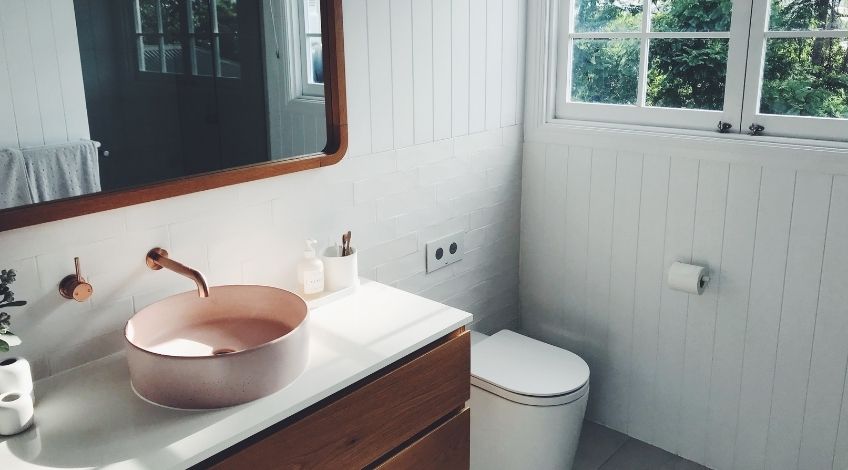
Let’s get straight into 5 easy ways to get rid of black mould from the grout in your home.
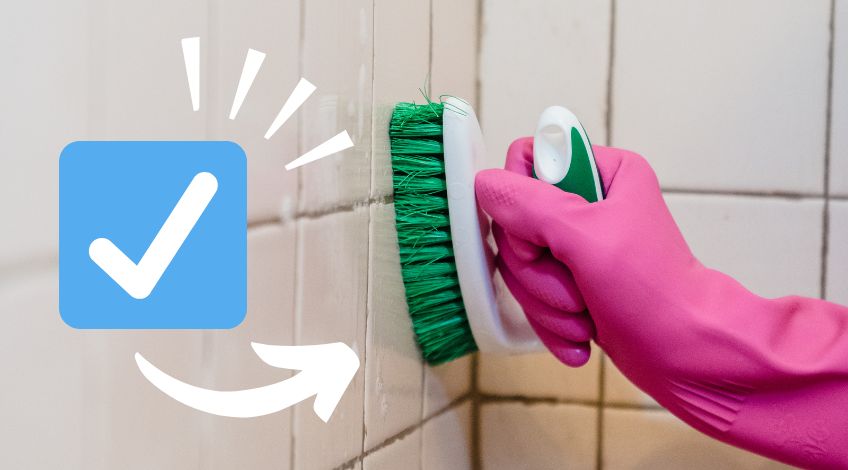
1. Warm Water & A Scrubbing Brush (The Simplest Method)
Sometimes, the simplest solution is the best! If the mould problem is minor, a good scrub with warm water and a stiff brush might do the trick. Make sure you use a brush that fits into the grout lines, like a tile brush or an old toothbrush.
Whatever cleaning method you use, scrubbing is essential. Even dead mould spores can trigger allergies, so physically removing the mould is a must.
2. Baking Soda Or Borax (AKA The Natural Mould Killers)
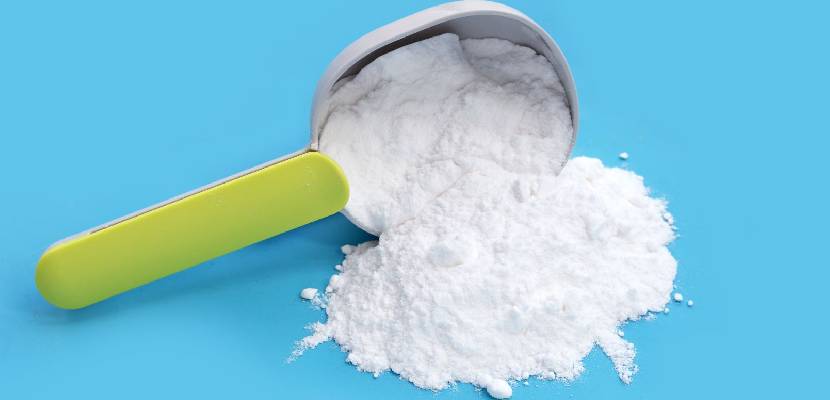
Baking soda and borax are both alkaline, making them excellent for tackling mould. Mould thrives in slightly acidic environments, so these natural cleaners make your bathroom grout inhospitable to future growth.
Try one of these three easy methods:
- Make A Paste
Mix baking soda or borax with a little water to form a paste. Apply it to the mouldy grout, leave it for 15 minutes, then scrub and rinse. - Use Neat
Sprinkle dry baking soda or borax onto a damp cloth and scrub away. - Spray Away
Mix half a cup of baking soda or borax with a gallon of water. Spray the solution over the affected area, let it sit for 30 minutes, then scrub and rinse.
Take care though because baking soda is slightly abrasive, so avoid scrubbing your tiles directly to prevent scratching.
3. Hydrogen Peroxide (The Fizzing Powerhouse)
Hydrogen peroxide is a fantastic mould remover. Simply apply it directly to the affected grout, let it sit, then scrub and rinse.
For an extra powerful cleaning combo, first apply a baking soda paste, then pour hydrogen peroxide over it. Watch as it bubbles and fizzes, breaking down mould and lifting it from the grout. It’s like a mini science experiment in your bathroom!
4. White Vinegar (The Everyday Hero)
Distilled white vinegar is a natural, eco-friendly cleaner that works wonders on mild cases of black mould. Here’s how to use white vinegar to deal with black mould;
- Make A Solution
Mix equal parts vinegar and water in a spray bottle. - Apply To The affected Area
Spray liberally onto the mouldy grout. - Allow Time To Work
Let it sit for 30 minutes, then scrub and rinse.
For tougher spots, you may need to repeat the process a few times, but patience pays off!
5. Bleach (The Heavy Duty Option)
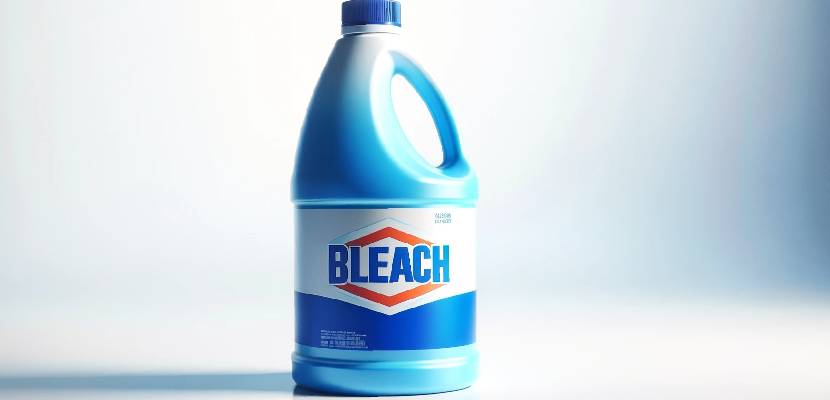
If the mould is really stubborn, bleach is a powerful last resort. However, because it’s a harsh chemical, you’ll need to take safety precautions. Wear gloves, ensure good ventilation, and never mix bleach with other cleaning agents.
Here’s how to use bleach to get rid of black mould;
- Attack The Mould Head On
Apply bleach directly to the grout using an old toothbrush and scrub. - Allow Time To Work
Leave for 30 minutes, then rinse.
Alternatively, mix one part bleach with four parts water in a spray bottle. Spray, let sit, scrub, and rinse.
Be cautious if your tiles aren’t white, as bleach can lighten coloured grout and tiles. If you have coloured grout, it could get damaged and discoloured using bleach. Which is why it’s our last option.
How To Keep Mould From Coming Back
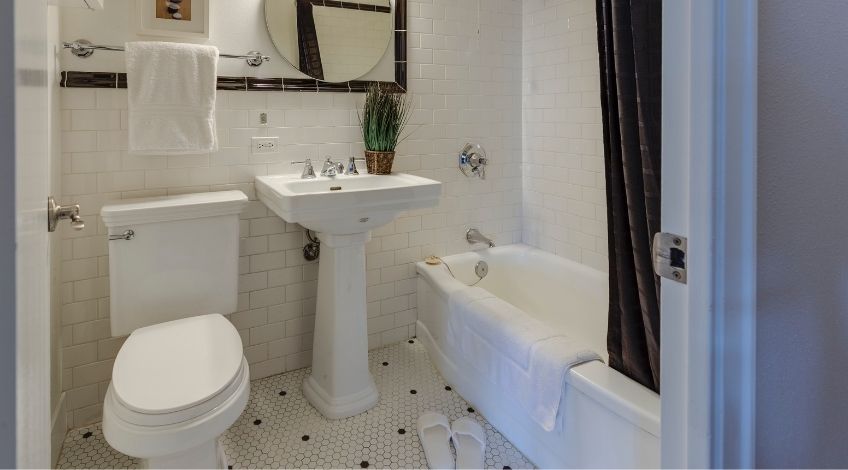
Once you’ve put in the effort to clean your grout, you’ll want to keep it that way! Here are some simple steps to prevent mould growth in the future:
- Clean your bathroom thoroughly every week (or at least every other week).
- Always open a window or turn on the extractor fan after showering.
- Run the fan for at least 30 minutes post shower.
- Reseal grout once a year to create a protective barrier.
- Wipe down your shower tiles after use to remove excess moisture.
- Use an anti-fungal spray monthly (try a mix of one part vinegar and one part water).
- Spritz a tea tree oil solution (10 drops in a spray bottle of water) after showering.
- Fix leaky taps and showerheads to reduce humidity levels.
Mould removal takes a little effort, but once your grout is sparkling clean, these small habits will help keep it that way! Say goodbye to black spots and hello to a fresher, cleaner bathroom.
Now that you know these game changing tips, which one will you try first? Let us know in the comments. And don’t forget to share this with your friends and family to make black mould a thing of the past!
SEE ALSO: How Working Mums Keep Their Homes Smelling Fresh On A Tight Schedule
Also, follow us on Pinterest ...