Electrolyte Imbalances On Keto – Everything You Need To Know
The ketogenic diet has become a popular choice for those looking to improve health, lose excess weight, and regain mental clarity. However, a common problem for many starting out on a low carb journey is electrolyte imbalance.
If you’ve experienced fatigue, muscle cramps, brain fog, headaches, or even the infamous Keto flu, chances are your body is lacking essential electrolytes.
Electrolytes play a vital role in maintaining bodily functions, particularly in controlling nerve signals, muscle contractions, hydration, and pH balance. While everyone needs them, people following a ketogenic diet must be extra watchful due to factors that increase their loss and reduce dietary intake.
Why Are Electrolytes Important?
Electrolytes are minerals that carry an electric charge, facilitating crucial physiological processes. These include sodium, potassium, magnesium, calcium, chloride and phosphorus.
They help regulate fluid balance, blood pressure, and nerve signals, ensuring everything from your heartbeats to cognitive function operates smoothly.
A healthy diet typically replenishes lost electrolytes naturally. However, a ketogenic diet alters this balance, meaning that you’ll need to take more proactive management. Let’s explore why this happens and how you can stay ahead of electrolyte deficiencies.
| Electrolyte | Function | Symptoms Of Deficiency | Recommended Daily Intake | Keto Friendly Sources |
|---|---|---|---|---|
| Sodium | Regulates blood pressure, fluid balance, and nerve function | Fatigue, weakness, headaches, muscle cramps | 5 g of sodium daily | Sea salt, bone broth, cheese, olives, shellfish |
| Potassium | Maintains nerve and muscle function, supports heart health | Muscle cramps, palpitations, weakness | 3.4 g (men) 2.6 g (women) | Avocados, spinach, salmon, nuts, courgettes (zucchini) |
| Magnesium | Supports muscle function, energy production, and bone health | Leg cramps, anxiety, fatigue | 420 mg (men) 320 mg (women) | Dark Chocolate (85% cocoa and above), nuts, pumpkin seeds, leafy greens |
| Calcium | Essential for bone health, muscle function, and nerve signalling | Muscle cramps, tingling, irritability | 1 g daily | Dairy, sardines, broccoli, almonds |
| Chloride | Supports digestion and fluid balance | Dehydration, weakness | 2.3 g daily | Salt, seaweed, eggs, dairy |
| Phosphorus | Vital for bone and cell function | Weakness, bone pain | 700 mg daily | Meat, fish, dairy, nuts |
Why The Keto Diet Increases Electrolyte Loss

When switching to a ketogenic diet, the body undergoes metabolic changes that lead to increased excretion of key electrolytes. Here’s why:
- Lower Insulin Levels Trigger Fluid Loss
By reducing carbohydrate intake, insulin levels drop. Since insulin helps the kidneys retain sodium, lower insulin levels mean more sodium (and other electrolytes) are flushed out through urine. - Glycogen Depletion Leads To Water Loss
Carbohydrates store water in the body. As glycogen stores are depleted on keto, excess water is expelled, taking electrolytes with it. - Limited Intake Of Electrolyte Rich Foods
Many high carb foods like fruits, starchy vegetables, and legumes are rich in potassium and magnesium. Since these are restricted on keto, alternative sources must be found.
Signs And Symptoms Of Electrolyte Deficiencies

A deficiency in any of the key electrolytes can lead to unwanted symptoms. Here’s what to watch out for:
Sodium Deficiency (Hyponatraemia)
Sodium is the most commonly depleted electrolyte on keto due to increased urine output. A lack of sodium can lead to:
- Fatigue
- Weakness
- Headaches
- Brain fog
- Nausea
- Muscle cramps
Solution
Aim for around 5 grams of sodium daily by adding more salt to meals, consuming broth, and eating sodium rich foods like cured meats and fish.
Keto Friendly Sodium Sources

- Sea salt and Himalayan pink salt
- Bone broth
- Olives and pickles
- Bacon and cured meats
- Cheese
- Shellfish (prawns, crab, lobster)
Potassium Deficiency (Hypokalaemia)
Potassium is crucial for muscle contractions and nerve function. A deficiency can cause:
- Muscle cramps and spasms
- Heart palpitations
- High blood pressure
- Weakness
Solution
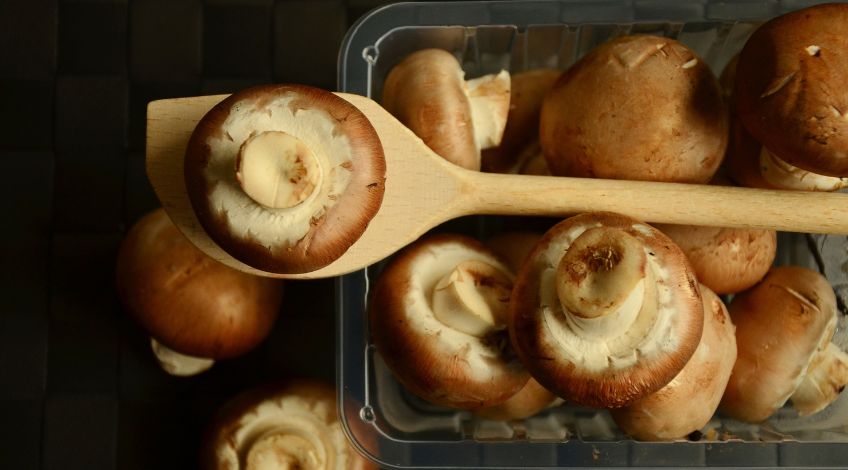
Increase potassium intake by eating keto friendly sources like avocados, spinach, salmon, and mushrooms. The daily recommended intake is 3.4g for men and 2.6g for women.
KetoFriendly Potassium Sources
- Avocados
- Spinach, kale, and Swiss chard
- Salmon, tuna, and mackerel
- Mushrooms
- Nuts (almonds, walnuts, pecans)
- Beef and pork
- Courgettes (zucchini) and asparagus
Magnesium Deficiency (Hypomagnesaemia)
Magnesium is involved in over 300 biochemical reactions in the body, including energy production and muscle function. A deficiency can lead to:
- Muscle cramps (especially in the legs)
- Anxiety and depression
- Insomnia
- Fatigue
Solution
Incorporate magnesium rich foods like dark chocolate, almonds, leafy greens, and fatty fish. The RDA is 420 mg for men and 320 mg for women.
Keto Friendly Magnesium Sources
- Dark chocolate (85% cacao and above)
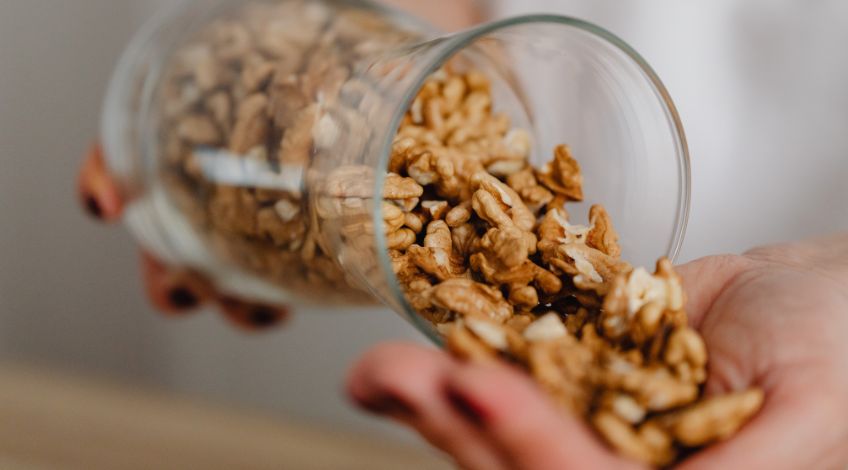
- Nuts (almonds, cashews, Brazil nuts)
- Pumpkin seeds and sunflower seeds
- Fatty fish (salmon, mackerel, halibut)
- Leafy greens (spinach, chard, kale)
- Avocados
- Tofu
Calcium Deficiency (Hypocalcaemia)
Calcium is essential for bone health, muscle function, and nerve signalling. Symptoms of a deficiency include:
- Muscle cramps and twitching
- Tingling sensations
- Irritability
- Fatigue
Solution
Dairy products, bone-in fish, and leafy greens are excellent sources of calcium. The daily target is 1g.
Keto Friendly Calcium Sources
- Full fat dairy (cheese, yoghurt, cream)
- Sardines and canned salmon (with bones)
- Broccoli and bok choy
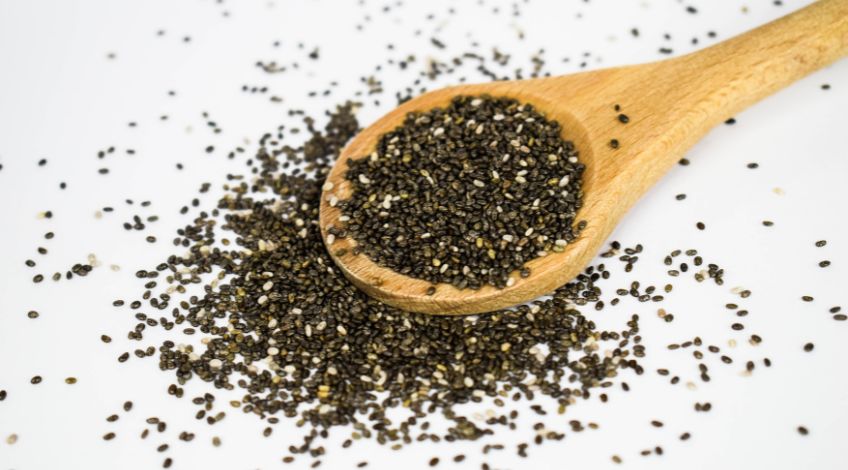
- Almonds and chia seeds
- Sesame seeds and tahini
- Kale and leafy greens
Chloride Deficiency
Chloride works alongside sodium to maintain fluid balance, aid digestion, and regulate pH levels. It is often overlooked but is essential for proper electrolyte balance.
Keto Friendly Chloride Sources

- Table salt (sodium chloride)
- Seaweed
- Shellfish
- Eggs
- Cheese
Phosphorus Deficiency
Phosphorus is crucial for bone health, cell repair, and energy production. Deficiency is rare but can occur with severe dietary restrictions.
Keto Friendly Phosphorus Sources
- Meat (beef, chicken, pork)
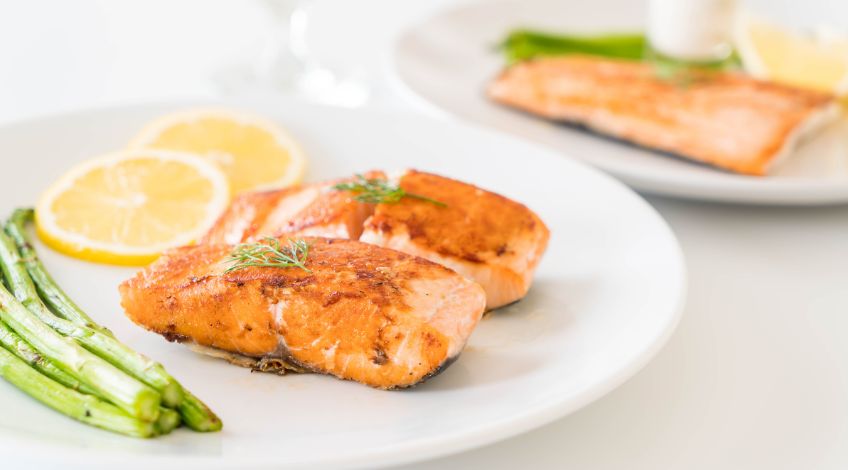
- Fish (salmon, mackerel, sardines)
- Dairy (cheese, yoghurt, milk)
- Nuts (almonds, cashews, walnuts)
- Eggs
Practical Meal Ideas For Electrolyte Balance
Incorporate these meals to maintain optimal electrolyte levels:
- Breakfast
Scrambled eggs with cheese, avocado, and spinach (sodium, potassium, magnesium, calcium) - Lunch
Grilled salmon with roasted asparagus and a side of seaweed salad (potassium, chloride, phosphorus) - Dinner
Beef stir fry with broccoli, mushrooms, and sesame seeds (magnesium, calcium, phosphorus) - Snack
Dark chocolate with almonds and pumpkin seeds (magnesium, calcium, phosphorus)
Beverage: Bone broth with a pinch of sea salt (sodium, chloride)
Common Mistakes To Avoid
Let’s take a brief look at some of the most common mistakes that many people make while trying to follow keto;
- Drinking Too Much Water Without Replacing Electrolytes
Overhydration can dilute sodium levels, leading to symptoms like dizziness and brain fog. - Avoiding Salt Due To Outdated Health Fears
Sodium is essential on keto and must be actively replenished. - Not Eating Enough Electrolyte Rich Foods
Relying solely on meat and fats without balancing vegetables and dairy can cause deficiencies. - Over Supplementing Certain Electrolytes
Too much calcium from supplements may lead to kidney issues. Always aim to get nutrients from food first.
Tips For Adding Supplements
If you struggle to meet your electrolyte targets through food alone, consider these supplementation guidelines:
- Sodium
Adding extra salt to meals or drinking bone broth can help. - Potassium
Use potassium rich salt substitutes sparingly. - Magnesium
Opt for bioavailable forms like magnesium citrate or glycinate. - Calcium
Prioritise food sources over supplements to avoid excess intake.
Preventing Electrolyte Imbalances On Keto
Let’s look at the best ways to prevent electrolyte imbalances while following a keto diet. They include;
- Prioritise Electrolyte Rich Foods
Make sure your meals contain enough sodium, potassium, magnesium, and calcium. - Stay Hydrated (but not over hydrated)
Drinking too much water without replacing sodium can dilute electrolyte levels, making symptoms worse. - Use Supplements If Needed
If you’re struggling to hit your targets, consider electrolyte supplements, but avoid excessive doses, especially of calcium. - Monitor Your Intake
Track your electrolyte consumption using food logs or apps to be sure that you meet daily needs. - Listen To Your Body
Persistent fatigue, cramps, or brain fog might indicate an imbalance. Adjust your electrolyte intake accordingly.
In Conclusion
Electrolytes are essential for overall health, but they become even more critical when following a ketogenic diet. Being mindful of intake and replacement strategies will help you avoid the dreaded Keto flu and ensure optimal performance, both physically and mentally.
By taking a proactive approach, you can fully get all of the benefits of keto without unwanted side effects. So, salt your food, eat your avocados, and enjoy a well balanced keto journey!
If you found this article interesting or helpful, don’t forget to share it on your socials so others can read it as well.
SEE ALSO: Keto Macros Explained: How Much Fat, Protein & Carbs You Actually Need
Also, follow us on Pinterest ...