Fall Wardrobe Wash Guide: How To Freshen Up Sweaters, Coats, And Blankets
Being a mum juggling school runs, after school activities and keeping the house somewhat functional is challenging enough. But when autumn arrives and you’re pulling out last year’s jumpers only to discover they smell like they’ve been living in storage for months (because they have!), it feels like another task on your endless to do list.
What if we told you there’s a simple system to refresh your entire autumn wardrobe without spending hours at the washing machine or breaking the bank at the dry cleaners? These practical tips will help you tackle everything from delicate wool jumpers to bulky winter coats, making your seasonal wardrobe prep quick and stress free.
Get Your Jumpers Ready For The Season
When you’re pulling those cozy jumpers out of storage, they might look clean but often carry that musty storage smell or feel a bit flat after months packed away. This section covers everything you need to know about bringing them back to life.
Check The Care Labels First
Before you toss anything in the washing machine, take a moment to check those care labels. It might seem obvious, but many jumpers get ruined because we assume they can handle a regular wash cycle. Wool, cashmere and synthetic blends all need different treatment and understanding these differences will save you from expensive mistakes.
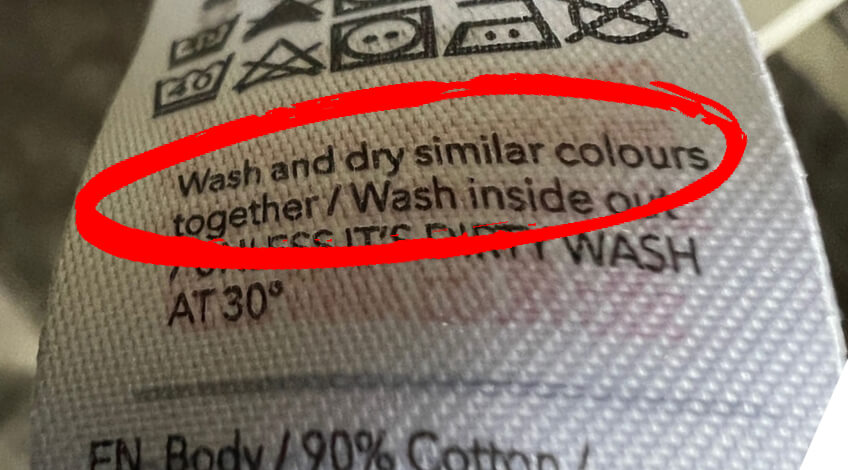
Look for symbols indicating hand wash only, dry clean only or machine washable. If the label says “dry clean only” but you want to try washing at home, start with a small test area first. Many modern “dry clean only” items can actually be hand washed with gentle detergent, but it’s always worth checking with a hidden area like an inside seam.
The Gentle Wash Method
For machine washable jumpers, use the delicate or wool cycle with cold water. Add a capful of wool specific detergent or a gentle liquid detergent. Never use fabric softener on wool as it can damage the fibres and make them feel stiff or greasy.
Place jumpers in a mesh laundry bag or pillowcase to protect them during the wash cycle. This prevents stretching and snagging, especially important for items with delicate details like buttons or embroidery.
If you’re hand washing, fill a basin with cool water and add a small amount of gentle detergent. Soak the jumper for about 15 minutes, then gently squeeze the water through the fabric without wringing or twisting. Rinse with clean cool water until all detergent is removed.
Proper Drying Techniques
The biggest mistake people make with jumpers is how they dry them. Never hang wet woollens as this causes stretching and misshaping. Instead, lay them flat on a clean towel, reshaping them to their original size and form.
Roll the towel with the jumper inside to remove excess water, then transfer to a fresh dry towel. Leave flat to air dry away from direct heat or sunlight. This might take 24 hours, but it’s worth it to keep your jumpers looking good season after season.
For quicker drying, you can place them on a sweater drying rack, which allows air circulation from all sides. These inexpensive racks are brilliant for busy mums who need to dry multiple items at once.
Refreshing Heavy Coats And Jackets
Winter coats present their own challenges because they’re too bulky for most home washing machines, yet professional dry cleaning can be expensive, especially when you’re dealing with multiple family members’ coats.
Spot Clean First
Before considering a full wash or dry clean, tackle any visible stains or marks. Mix a small amount of gentle detergent with water to create a paste, then work it into stains with a soft brush or cloth. This often removes surface dirt and can eliminate the need for full cleaning.

Pay special attention to collar areas, cuffs and pocket edges where dirt and oils tend to accumulate. For tough stains like mud or food spills, let the cleaning paste sit for 10-15 minutes before gently working it out.
Steam Treatment For Freshening
A garment steamer is one of the best investments for busy mums dealing with winter coats. Steam naturally freshens fabrics, removes wrinkles and kills bacteria that cause odours. Hang the coat in a well ventilated area and steam from top to bottom, paying extra attention to areas that touch skin directly.
If you don’t have a steamer, hang coats in the bathroom during a hot shower. The steam will naturally freshen the fabric and remove light wrinkles. This method works particularly well for wool and synthetic blend coats.
Machine Washing Suitable Coats
Some modern winter coats are machine washable, particularly those made from synthetic materials or treated fabrics. Check the care label carefully and use a large capacity machine if possible. Use cold water and a gentle cycle, adding an extra rinse to ensure all detergent is removed.
For down jackets, add a couple of clean tennis balls to the dryer on low heat. This helps redistribute the filling and prevents clumping. Stop the dryer periodically to shake out the jacket and check that the down is fluffing properly.
Professional Cleaning When Needed
Some coats, particularly those with leather trim, special finishes or delicate fabrics, need professional attention. To save money, look for local dry cleaners that offer seasonal discounts or consider mobile dry cleaning services that can be more cost effective.
Group family coats together for cleaning to get bulk discounts and time this service for early autumn before the rush begins. Many cleaners offer better prices during quieter periods.
Bringing Blankets And Throws Back To Life
Blankets and throws get heavy use but are often overlooked in regular cleaning routines. Getting them fresh for autumn creates a cozy, welcoming home environment just when you need it most.
Sorting By Material Type
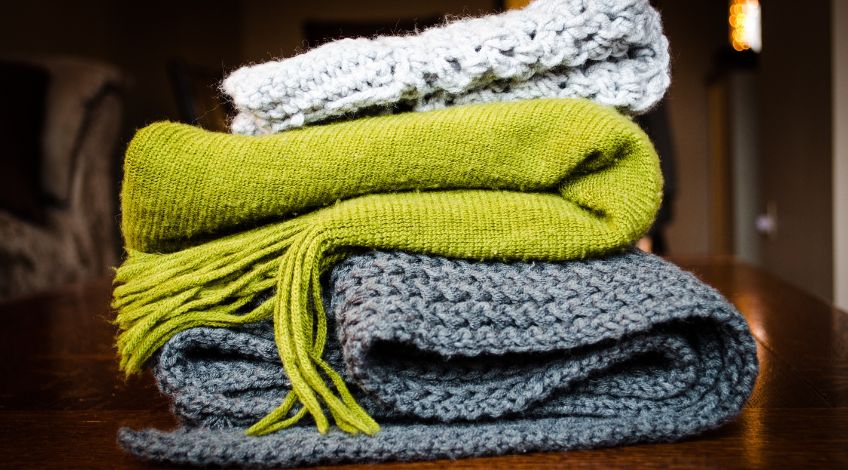
Different blanket materials need different approaches. Cotton and cotton blends are usually the easiest to wash at home, whilst wool blankets might need more careful handling. Synthetic blankets are generally hardy but can attract static and pet hair.
Check for any loose threads, holes or weak seams before washing. It’s much easier to make minor repairs before cleaning than to deal with damage afterwards.
Pre Treatment For Odours And Stains
Before washing, give blankets a good shake outside to remove dust and debris. For persistent odours, sprinkle bicarbonate of soda over the entire surface and let it sit for a few hours before vacuuming it off. This naturally neutralises smells without harsh chemicals.
Treat any visible stains with a paste made from bicarbonate of soda and water, or use an enzyme based stain remover for organic stains like food or pet accidents. Let these treatments work for 30 minutes before washing.
Washing Large Blankets
Many home washing machines struggle with bulky blankets, so consider using a laundrette with large capacity machines for best results. This also means you can wash multiple blankets in one trip, saving time and effort.
Use warm water for cotton blankets and cold water for wool or delicate synthetic materials. Add an extra rinse cycle to ensure all detergent is removed, which prevents stiffness and residue buildup.
Drying Without Damage
Large blankets can take ages to dry properly, and damp blankets can develop mould or mildew. If using a tumble dryer, use a low heat setting and add dryer balls or clean tennis balls to help with air circulation.
For air drying, spread blankets over multiple clothes airers or hang them over sturdy bannisters where air can circulate freely. Turn them periodically to ensure even drying throughout.
Time Saving Tips For Busy Mums
Managing seasonal wardrobe refresh doesn’t have to consume your entire weekend. These practical shortcuts help streamline the process without compromising results.
Batch Processing Your Autumn Refresh
Instead of tackling items one at a time, group similar items together. Wash all the cotton jumpers in one load, all the synthetic throws in another and so on. This makes efficient use of your washing machine and means you’re not constantly switching between different care requirements.
Set aside one weekend day for the bulk of the work, but spread tasks across the week. Start soaking or pre-treating items on Monday, do the actual washing midweek when machines are available and finish with drying and storage over the weekend.
Create A Simple System
Develop a simple three pile system as you go through stored items: “wash at home,” “needs professional cleaning,” and “donate or repair.” This speeds up decision making and prevents items from sitting around indefinitely.
Keep a notebook or phone list of what needs professional cleaning so you can book services efficiently rather than making multiple trips or phone calls.
Involve The Whole Family
Get older children involved in caring for their own items. Teaching them to check care labels and sort their own jumpers and coats builds independence and reduces your workload. Even young children can help with simple tasks like rolling items in towels for drying.
Make it a family activity by playing music or podcasts whilst everyone works on their own wardrobe sections. This creates positive associations with household tasks and gets the job done faster.
Storage Solutions For Next Year
As you clean items, think about storage for next spring. Clean items thoroughly before storing, as dirt and oils attract insects and cause yellowing. Use breathable storage bags or cotton sheets rather than plastic, which can trap moisture.
Add lavender sachets or cedar blocks to storage areas to keep items fresh and deter moths naturally. Label storage containers clearly so you can find specific items easily next autumn.
Keep Your Autumn Wardrobe Fresh All Season
Once you’ve got everything clean and ready, maintaining freshness throughout the season prevents the huge cleanup job next year. Small, regular habits make a massive difference.
Weekly Maintenance Routines
Hang up coats properly after each use rather than draping them over chairs or dropping them by the door. This prevents wrinkles and allows air circulation that keeps them fresh longer.
Give jumpers a day’s rest between wears by hanging them up or laying them flat. This allows fibres to bounce back and natural oils to evaporate, extending time between washes.
Quick Refresh Techniques
Keep a fabric refresher spray handy for quick touch ups between washes. You can make your own with water, white vinegar, and a few drops of essential oil in a spray bottle. This works particularly well for items that don’t need full washing but could use freshening.
Use the steam from your morning shower to naturally refresh hanging items. Simply hang them in the bathroom whilst you shower, then move them to a well ventilated area to air dry.
Smart Rotation System
Don’t wear the same jumpers and coats repeatedly. Rotate through your wardrobe to give items time to air out between uses. This also means you get good use from everything rather than over wearing your favourite pieces.
Keep a mental or written note of what needs washing soon, so you can tackle items before they get heavily soiled or smelly. Prevention is always easier than deep cleaning.
Making Seasonal Wardrobe Care Actually Manageable
Getting your autumn wardrobe fresh and ready doesn’t have to be an overwhelming weekend marathon. By breaking tasks into manageable chunks and using these practical methods, you can have everything clean, fresh and ready for the cooler months ahead. The key is starting early, being systematic about your approach and not trying to do everything at once. Your future self will thank you when you can simply reach for any jumper or coat knowing it’s fresh and ready to wear.
Remember, investing a little time in proper care now means your clothes will look better, last longer and require less frequent replacing. That’s good for both your budget and your busy schedule!
If you found these tips helpful, share them with other busy mums on Facebook or save them for next autumn’s wardrobe refresh!
SEE ALSO: 10 Autumn Cleaning Tasks You Shouldn’t Skip This Year
Also, follow us on Pinterest ...